


What's Happening?
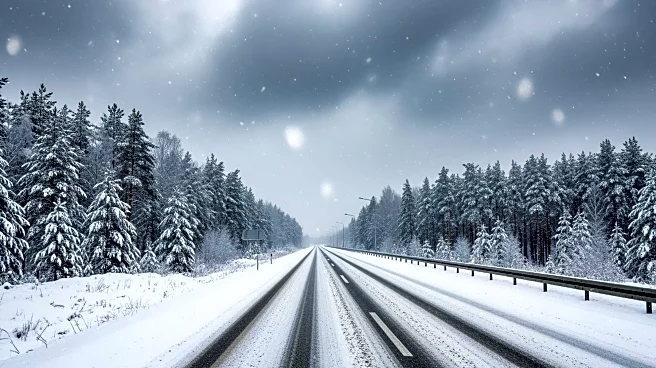
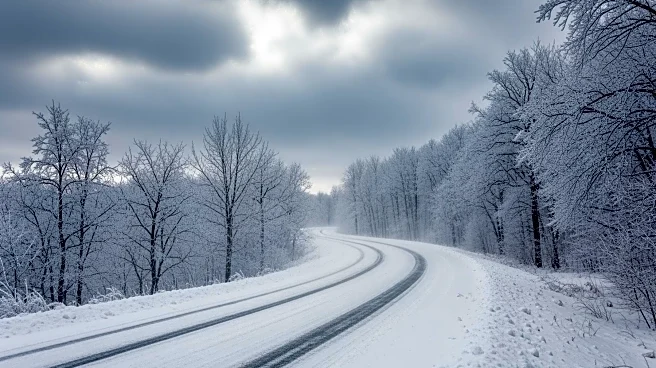
Winter Storm Hernando has significantly impacted the northeastern United States, bringing blizzard conditions and causing widespread disruptions. The storm, described as a 'bomb cyclone,' rapidly intensified over the weekend, leading to blizzard warnings
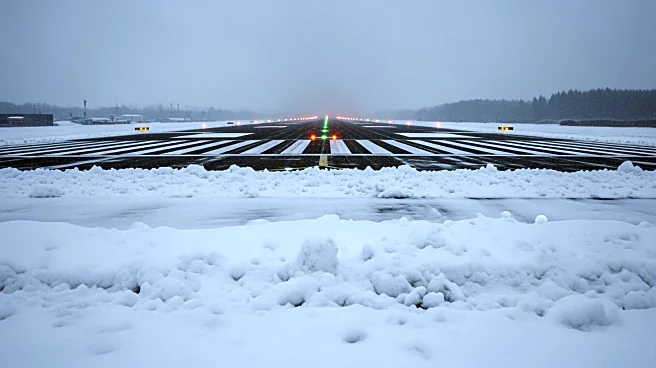
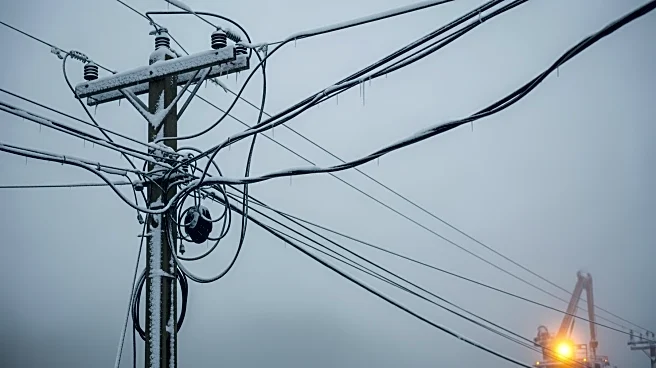
in cities such as New York City, Portland, and Boston. The storm resulted in the cancellation of over 10,000 flights and the closure of schools across multiple states. Wind gusts reached up to 84 mph in some areas, and snowfall totals exceeded 15 inches in locations like Central Park and John F. Kennedy International Airport. The storm left more than 650,000 homes and businesses without power, and at least two fatalities have been reported due to the severe weather conditions.
Why It's Important?
The impact of Winter Storm Hernando highlights the vulnerability of infrastructure and public services to extreme weather events. The storm's rapid intensification and the resulting disruptions underscore the challenges faced by emergency services and utility companies in maintaining operations during such events. The widespread power outages and transportation disruptions have significant economic implications, affecting businesses and daily life in the affected regions. Additionally, the storm serves as a reminder of the potential for severe weather to cause life-threatening conditions, emphasizing the need for preparedness and effective response strategies.
What's Next?
As the storm's intensity decreases, recovery efforts are underway to restore power and clear transportation routes. Utility companies are working to repair damaged infrastructure, while local governments focus on reopening schools and public services. The aftermath of the storm may prompt discussions on improving infrastructure resilience and emergency response capabilities to better handle future extreme weather events. Additionally, the storm's impact could influence policy discussions on climate change and its role in the increasing frequency and intensity of such weather phenomena.