



What's Happening?
Washington D.C. is actively enforcing its Consumer Protection Procedures Act, which broadly prohibits deceptive and unconscionable trade practices. This legislation provides a private right of action for consumers who have been harmed by such unlawful
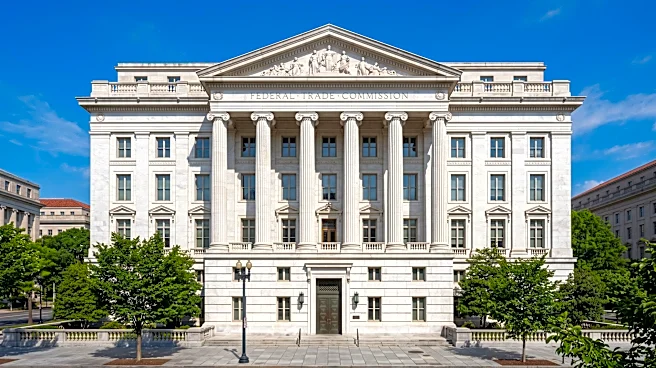
practices. Recent enforcement actions in the District have targeted issues like misleading rent-to-own agreements, deceptive ticket pricing, unexpected car-sharing charges, and misleading utility sales. Consumers in D.C. have the option to report these practices to government regulators, including the District's Office of the Attorney General, which handles local enforcement, and federal agencies like the Federal Trade Commission. However, consumers can also seek individual representation through law firms to address personal harm and pursue claims for deceptive business practices, false advertising, improper charges, data breaches, privacy violations, defective products, and financial misconduct. The Scott Hirsch Law Group, PLLC, for instance, represents D.C. consumers from its Rockville, Maryland office, focusing on individual cases where consumers have suffered direct harm.
Why It's Important?
The robust enforcement of consumer protection laws in Washington D.C. is crucial for maintaining fair market practices and safeguarding residents from financial exploitation. The ability for consumers to pursue private legal action, in addition to regulatory reporting, empowers individuals to seek redress for specific damages they incur. This dual approach ensures that both systemic issues, addressed by government agencies, and individual grievances are tackled. The focus on transparency and accountability in various sectors, from housing to entertainment and utilities, helps build consumer trust and encourages businesses to adhere to ethical standards. Without such protections, consumers could face significant financial losses and a lack of recourse against predatory or misleading business practices, potentially undermining economic stability and public confidence in the marketplace.
What's Next?
Consumers in Washington D.C. who believe their rights have been violated can continue to report incidents to the Office of the Attorney General or federal agencies. They also have the option to seek individual legal representation to evaluate their specific circumstances and determine if they have a viable consumer protection claim. Law firms like Scott Hirsch Law Group, PLLC, offer free case evaluations to help consumers understand their options. Businesses operating in D.C. are expected to face continued scrutiny and enforcement actions regarding deceptive practices. The ongoing vigilance from both regulatory bodies and private legal avenues suggests a sustained effort to ensure compliance with the Consumer Protection Procedures Act, potentially leading to more transparent and ethical business operations across various industries in the District.
Beyond the Headlines
The emphasis on both public and private enforcement mechanisms in D.C.'s consumer protection framework highlights a broader societal commitment to consumer rights. This approach acknowledges that while regulatory bodies address widespread issues, individual consumers often require tailored legal support to recover from specific harms. The existence of a private right of action can act as a significant deterrent for businesses considering deceptive practices, as the financial and reputational risks of litigation increase. This framework also underscores the evolving nature of consumer protection, adapting to new forms of deception such as hidden charges and misleading online practices. Ultimately, it fosters a marketplace where businesses are held to higher standards of honesty and transparency, contributing to a more equitable economic environment for all residents.