








What's Happening?
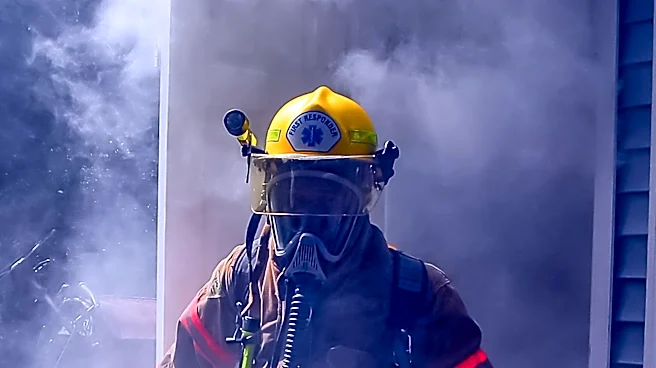
The Department of the Air Force is actively recruiting a Firefighter for Hazardous Materials Operations at Andrews Air Force Base in Maryland. This position involves serving on a crew dedicated to structural firefighting, rescue operations, and responding
to hazardous materials incidents. The primary goal is to mitigate and eliminate potential fire hazards and act as a first responder to protect individuals and property from hazardous material releases. Responsibilities include performing hazard and risk assessments, engaging in structural firefighting for various facilities, conducting rescue operations, providing first aid, and maintaining firefighting equipment and facilities. Applicants must meet specific medical and physical fitness standards, including passing a pre-employment medical examination and periodic physical agility tests. Specialized experience, such as controlling fires, rescue operations, or hazardous materials incident control, is required, with candidates needing at least one year of experience at the GS-05 level or equivalent. There is a maximum entry age of 37 for initial appointments, though exceptions apply for those with prior federal firefighting service or qualified veteran preference eligibles.
Why It's Important?
This recruitment is crucial for maintaining critical emergency response capabilities at Andrews Air Force Base, a key military installation in the U.S. The role of a firefighter specializing in hazardous materials operations is vital for national security, as it ensures the protection of military personnel, assets, and surrounding communities from a wide range of potential threats, including chemical spills, industrial accidents, and other emergencies. The stringent qualification requirements, including medical fitness, specialized experience, and age restrictions, highlight the demanding nature of the job and the high standards necessary for effective emergency response. The continuous staffing of such positions is essential for the Air Force's readiness and its ability to respond swiftly and effectively to any incident, thereby safeguarding both military operations and public safety. The emphasis on specialized training and certifications underscores the evolving complexities of modern emergency services, particularly in environments where hazardous materials are present.
What's Next?
Prospective applicants will need to submit their applications, ensuring they meet the detailed qualification standards, including specialized experience and physical requirements. The recruitment process will involve medical examinations, physical fitness tests, and verification of certifications such as Department of Defense Firefighter Certification System as Firefighter II, HAZMAT Awareness, and HAZMAT Operations. Successful candidates will also need to obtain National Register Emergency Medical Responder certification within 120 days of employment. The Department of the Air Force will continue to evaluate candidates based on their knowledge, skills, and abilities in areas such as firefighting equipment operation, hazardous materials response procedures, and emergency first aid techniques. The ongoing need for highly trained firefighters at military installations like Andrews AFB suggests a continuous recruitment effort to ensure operational readiness and safety.
Beyond the Headlines
The rigorous requirements for this firefighter position reflect a broader trend in emergency services towards highly specialized and continuously trained personnel, particularly in environments with elevated risks like military bases. The age restriction for initial appointments, while common in federal firefighting roles, points to the physical demands and long-term career planning considerations for these critical public safety professions. The emphasis on HAZMAT operations highlights the increasing complexity of modern emergencies, which often involve chemical, biological, radiological, and nuclear threats, requiring responders to possess advanced knowledge and equipment. This specialization not only protects lives and property but also contributes to national resilience against diverse hazards, underscoring the evolving nature of public safety and defense in the U.S.