









What's Happening?
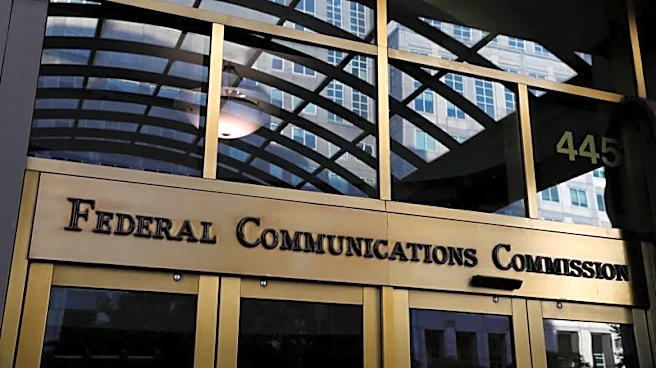
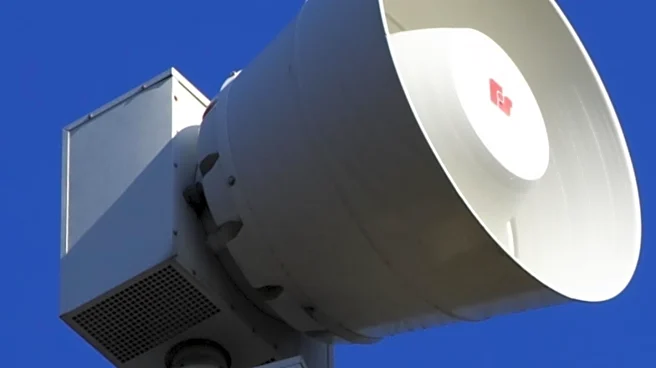
The Federal Communications Commission (FCC) has adopted new rules to enhance the security of the Emergency Alerting System (EAS) against potential cyber threats. The FCC's decision includes requiring EAS participants to implement strong passwords, regularly
update security patches, and use network firewalls to safeguard their systems. Additionally, the FCC is seeking public input on further modernizing EAS and Wireless Emergency Alerts (WEA) to improve reliability and geographic accuracy. The proposed changes aim to ensure that emergency alerts remain effective and secure, with measures such as authenticating alerts before transmission and establishing a universal alert identification number to prevent duplicate alerts.
Why It's Important?
The FCC's actions are crucial in maintaining public trust in emergency alert systems, which are vital for public safety. By addressing cybersecurity vulnerabilities, the FCC aims to prevent potential hijacking of these systems by cybercriminals or adversaries, which could lead to misinformation or panic during emergencies. The modernization efforts also seek to enhance the accuracy and effectiveness of alerts, ensuring that they reach the intended audience promptly and accurately. This initiative reflects a broader commitment to safeguarding critical infrastructure against evolving cyber threats, which is essential for national security and public safety.
What's Next?
The FCC will continue to gather public feedback on the proposed rule changes to further refine and implement improvements to the EAS and WEA systems. Stakeholders, including emergency management agencies and telecommunications providers, are expected to participate in this process to ensure that the systems are robust and capable of meeting future challenges. The FCC's ongoing efforts to modernize these systems will likely involve collaboration with industry experts and government agencies to address any technical and operational challenges that may arise.