






What's Happening?
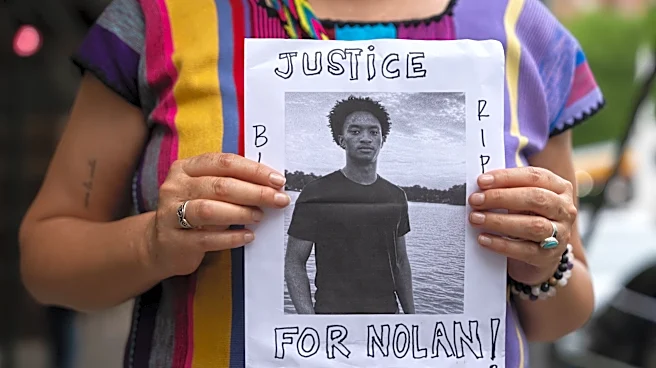
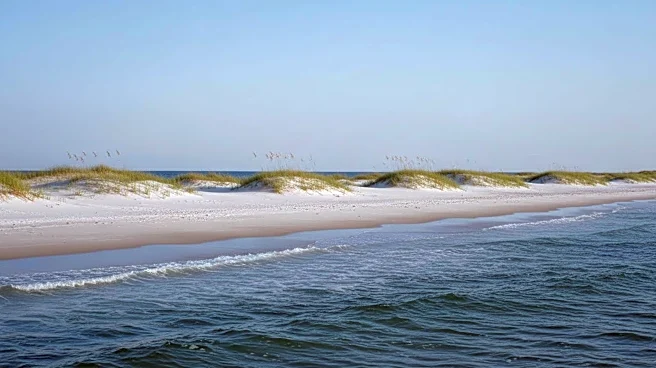
The death of Nolan Wells, an 18-year-old student and athlete, has sparked significant scrutiny and speculation. Wells was found dead in the waters off Horn Island, Mississippi, after a Fourth of July trip with friends. His body was discovered by a National
Park Service agent, and the circumstances surrounding his death remain unclear. Questions have arisen about why Wells did not return with his friends, why he was without his cellphone, and whether he was involved in an altercation. The Jackson County Sheriff's Department is investigating, but the case has been complicated by Mississippi's racial history and the fact that Wells was the only person of color in a group photo from the trip. The family, represented by attorney Ben Crump, is seeking answers and has arranged for an independent autopsy.
Why It's Important?
The investigation into Wells' death is significant due to the potential implications of racial dynamics and the handling of the case by law enforcement. The incident has drawn attention to the broader issues of racial tension and trust in the justice system, particularly in Mississippi. The involvement of high-profile figures like Rev. Al Sharpton and attorney Ben Crump highlights the national interest in ensuring a thorough and transparent investigation. The case underscores the importance of addressing racial disparities and ensuring justice in cases involving minority individuals. The outcome of the investigation could impact public perception of law enforcement and influence future policies regarding racial equity and justice.
What's Next?
The investigation is ongoing, with key interviews and evidence collection still in progress. The results of the autopsies, including toxicology tests, are awaited to determine the cause of death. The family has initiated its own investigation, seeking an independent autopsy to ensure impartiality. The findings from these investigations will be crucial in determining the next steps and addressing the family's concerns. Public and media attention will likely continue, with potential implications for local and national discussions on race and justice.