




What's Happening?
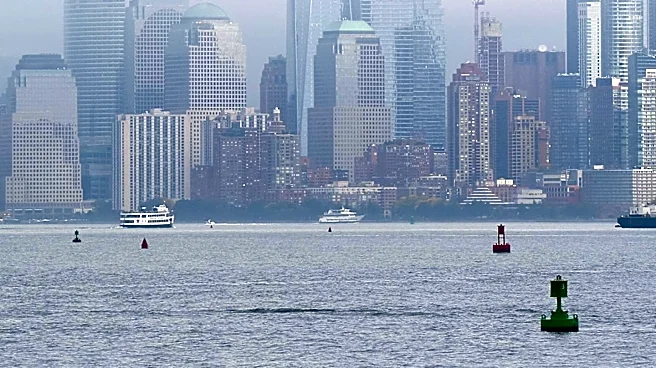
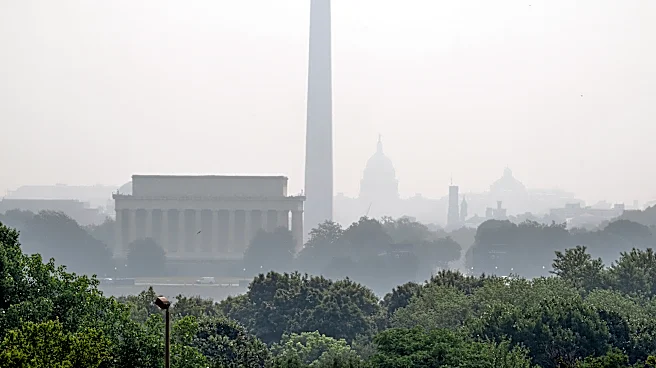
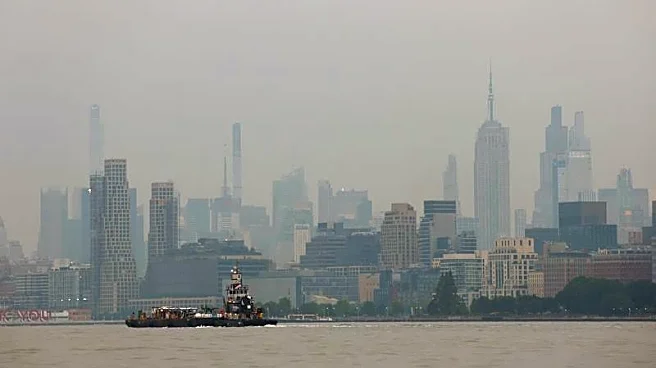
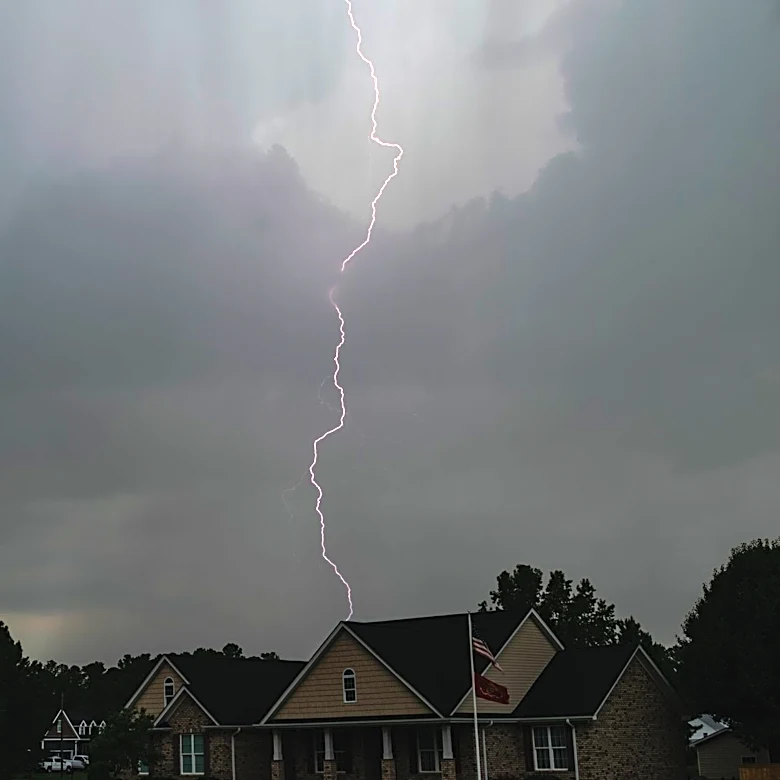
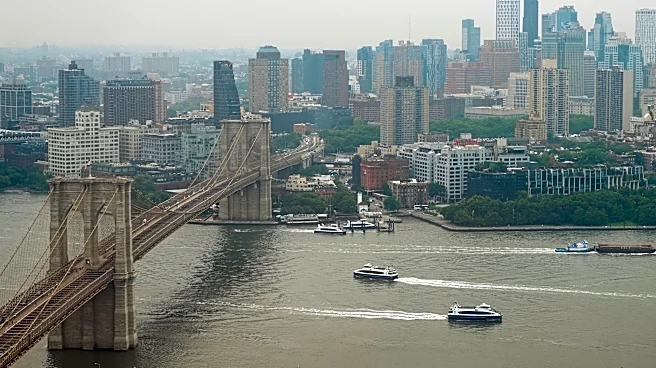
New York City and surrounding areas experienced severe thunderstorms and flash flooding following a period of heavy smoke and high temperatures. The National Weather Service reported that two to four inches of rain fell by early afternoon, with up to an inch per hour
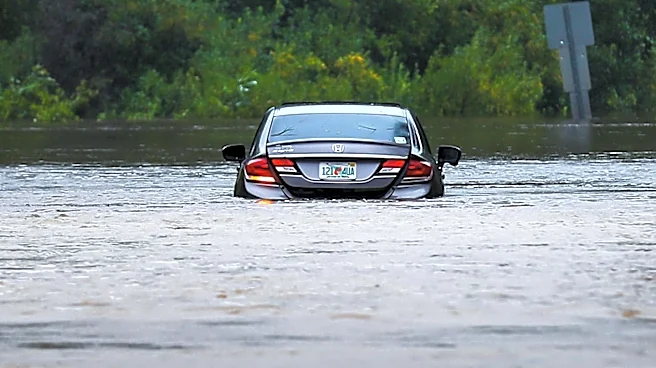
expected. A flood watch was issued for all five boroughs of New York City, southern Westchester County, and northeast New Jersey. The heaviest rainfall occurred in lower Manhattan, western Brooklyn, and Queens, prompting city officials to advise residents of basement apartments to move to higher floors. The storms caused significant disruptions, including flight delays and cancellations at LaGuardia, Kennedy, and Newark airports. In Newark, emergency services responded to vehicles trapped in floodwaters, successfully rescuing occupants without injuries. New York Governor Kathy Hochul warned of potential power outages, downed trees, and road closures.
Why It's Important?
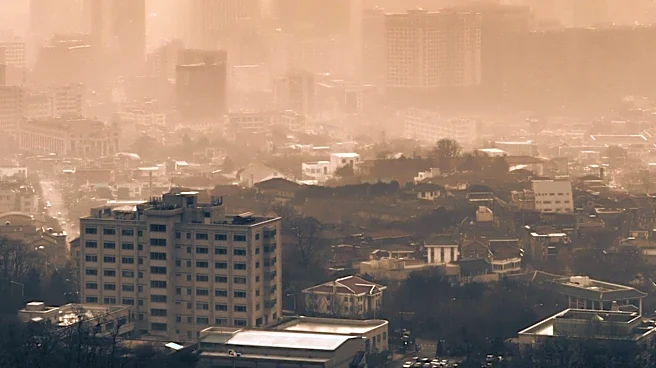
The severe weather conditions highlight the vulnerability of urban infrastructure to extreme weather events, which are becoming more frequent due to climate change. The flash floods and thunderstorms disrupted transportation, affecting flights and local commutes, and posed safety risks to residents, particularly those in basement apartments. The situation underscores the need for improved urban planning and emergency preparedness to mitigate the impact of such events. Additionally, the storms provided temporary relief from the smoke caused by Canadian wildfires, which had been affecting air quality in the region. This incident serves as a reminder of the interconnectedness of environmental issues and the importance of addressing climate change on a broader scale.
What's Next?
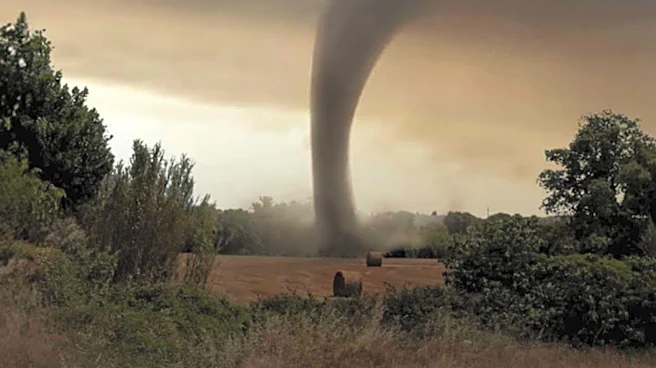
As the storms continue, residents are advised to remain vigilant and follow safety guidelines issued by local authorities. The National Weather Service predicts multiple rounds of severe thunderstorms, which could exacerbate flooding and bring damaging winds and potential tornadoes. City officials and emergency services are on high alert to respond to any further incidents. In the longer term, this event may prompt discussions on enhancing infrastructure resilience and emergency response strategies to better handle future extreme weather events. The situation also highlights the need for regional cooperation in addressing transboundary environmental issues, such as wildfire smoke.