



What's Happening?
Seeds That Feed, a nonprofit organization in Northwest Arkansas, is actively connecting local farmers with over 30,000 food-insecure residents by distributing surplus produce. Founded in 2011, the initiative began when co-founders Alyssa Snyder and Margaret
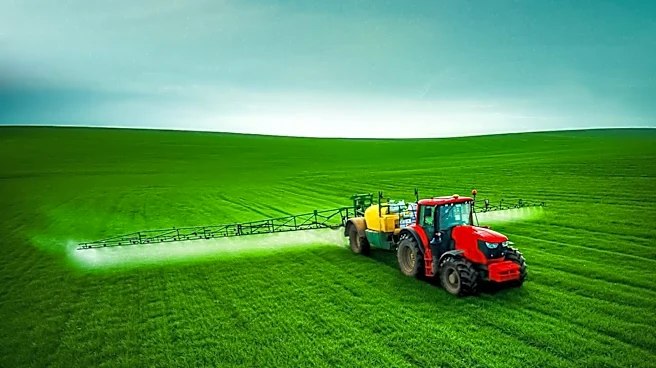
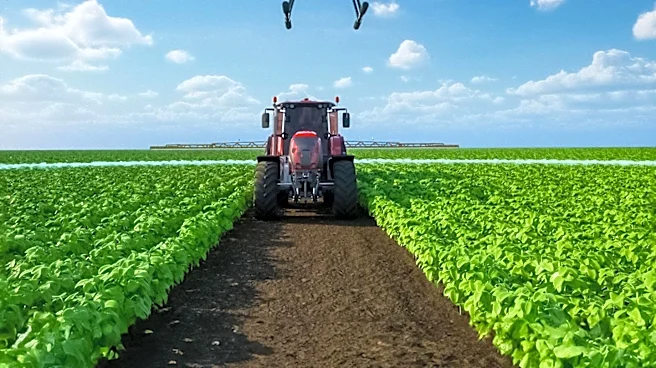
Thomas discovered that farmers often had excess crops beyond market demand, rather than needing to plant extra rows. The organization has since established a mobile food network, collecting hundreds to thousands of pounds of surplus produce weekly from farms and farmers' markets. This produce is then distributed to more than 50 sites, including community refrigerators, apartment complexes, schools, and through home delivery. Farmers like Jeremy Baranauska of Prairie Woods Farm contribute excess vegetables, ensuring that food that would otherwise go to waste reaches those in need. Seeds That Feed also partners with organizations like Spring Creek Food Hub, a Springdale-based nonprofit, to aggregate and distribute products.
Why It's Important?
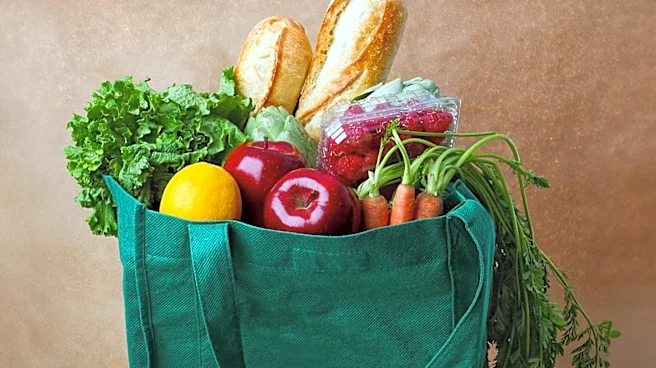
This initiative addresses the dual challenges of food waste and food insecurity, which are significant issues across the U.S. By efficiently redirecting surplus produce, Seeds That Feed not only provides fresh, healthy food to vulnerable populations but also supports local farmers by ensuring their efforts do not go to waste. Access to fresh produce is crucial for public health, as it helps combat diet-related diseases and improves overall well-being, particularly in communities with limited access to nutritious food. The program's focus on dignity and accessibility, through methods like mobile pantries and Friendly Fridges, helps overcome barriers often associated with traditional food assistance. This model demonstrates a sustainable approach to community support, fostering stronger local food systems and reducing the environmental impact of food waste, while simultaneously enhancing food security for thousands of individuals.
What's Next?
Seeds That Feed will likely continue to expand its network of farmers, distribution sites, and community partners to reach more food-insecure individuals in Northwest Arkansas. The organization's flexible approach to collecting and distributing unpredictable quantities of produce will remain key to its success. Future efforts may include exploring additional innovative distribution methods, such as text notifications for produce availability, to further enhance accessibility. The success of Seeds That Feed could serve as a model for other regions facing similar challenges, potentially inspiring the creation of similar food recovery and distribution networks across the U.S. Continued collaboration with local food hubs and community organizations will be essential for scaling operations and maximizing impact.
Beyond the Headlines
The work of Seeds That Feed highlights a broader societal shift towards valuing local food systems and addressing systemic issues of food access. It underscores the often-overlooked problem of food waste occurring even as many struggle with hunger. This initiative fosters community resilience by strengthening the connection between local agriculture and community needs, promoting a more circular economy where resources are utilized efficiently. The emphasis on dignity in food access challenges traditional charity models, advocating for approaches that empower individuals and build community trust. This model also subtly educates the public about the abundance of food available and the logistical challenges of distribution, encouraging a more thoughtful approach to food consumption and waste reduction at both individual and systemic levels. It represents a grassroots solution to complex problems, demonstrating the power of community-led initiatives.