


What's Happening?
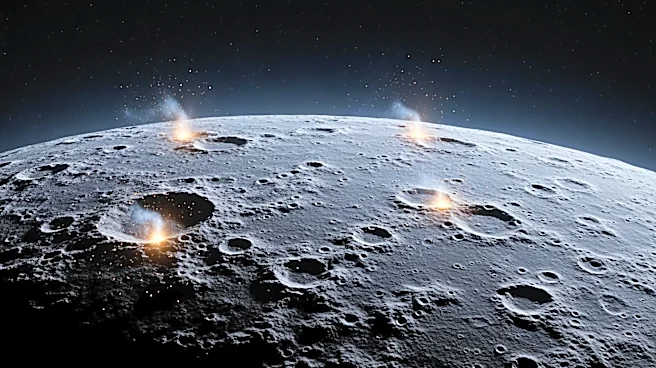
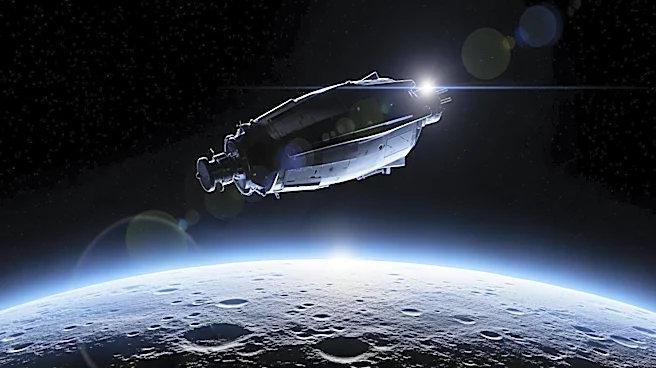
The Artemis II mission has returned with historic lunar photos, exciting scientists with potential new insights into the moon's geology. The mission, which involved a lunar flyby, captured images that show unexpected colors and impact flashes on the moon's surface.
Geologists are particularly interested in the green and brown patches reported by the astronauts, which could indicate diverse geological processes. The mission's findings are expected to influence future lunar exploration, including the selection of landing sites for upcoming Artemis missions. The data collected will be analyzed to enhance understanding of the moon's composition and history.
Why It's Important?
The Artemis II mission's findings are crucial for advancing lunar science and exploration. The unexpected colors and impact flashes observed could lead to new theories about the moon's geological history and surface processes. This information is vital for planning future crewed missions, as it helps identify areas of scientific interest and potential resource availability. The mission also demonstrates the value of human observation in space exploration, as astronauts can provide unique insights that complement robotic data collection. The success of Artemis II sets the stage for more ambitious lunar missions, contributing to NASA's long-term goals of sustainable lunar exploration.
What's Next?
Following the return of Artemis II, scientists will conduct detailed analyses of the images and data collected during the mission. This will involve comparing the new findings with existing lunar data to refine geological models. The insights gained will inform the planning of Artemis IV and subsequent missions, which aim to land astronauts on the lunar surface. These missions will focus on collecting samples and conducting in-depth studies of the moon's geology. The Artemis program's progress will also support broader goals of establishing a sustainable human presence on the moon and preparing for future Mars exploration.