


What's Happening?
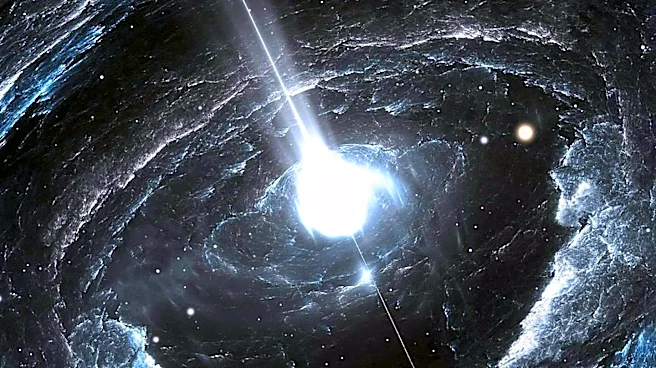
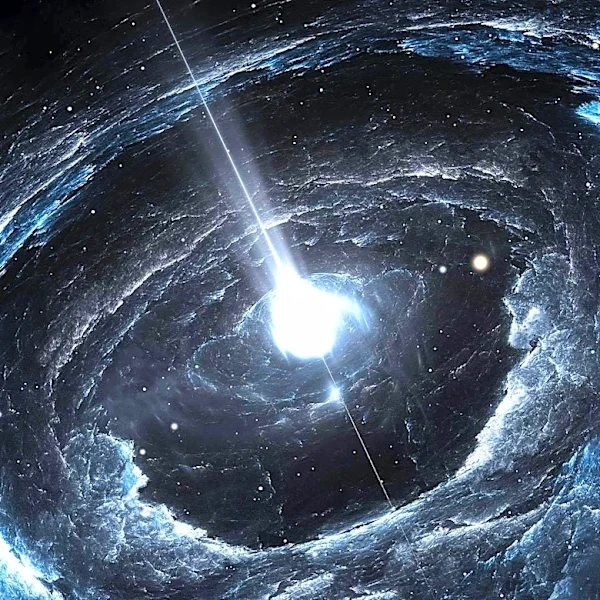
NASA is inviting professional and amateur astronomers globally to join its Kilonova Catcher citizen science project. This initiative focuses on detecting and documenting kilonovae, which are powerful bursts of light resulting from the collision of massive,
dense objects like neutron stars or black holes. Participants will receive alerts when a kilonova explosion is detected and are encouraged to point their telescopes at the likely locations to gather data. The project aims to track how these cosmic events brighten and dim over time, thereby enhancing the understanding of the physics behind collisions of extremely dense astronomical objects. To participate, individuals need to visit the project website, create an account to receive alerts, and attend an orientation webinar with online training. While having a personal telescope is beneficial, access to shared or remote telescopes is also acceptable. The project, launched in 2019, emphasizes data collection and sharing within a global network of astronomers.
Why It's Important?
The Kilonova Catcher project is significant for several reasons. It democratizes scientific research by allowing public participation in cutting-edge astrophysics, fostering a global community of astronomers. The data collected by citizen scientists will provide crucial insights into kilonovae, which are relatively rare and short-lived cosmic events. Understanding these events is vital for comprehending gravitational waves, gamma-ray bursts, and the fundamental physics of extreme cosmic collisions. This collaborative approach can accelerate discovery and data collection beyond what professional observatories alone can achieve. The project also serves as an educational tool, engaging the public directly with space science and potentially inspiring future generations of scientists. The collective effort helps to build a more comprehensive dataset, which is essential for validating theoretical models and advancing the field of astrophysics.
What's Next?
Participants in the Kilonova Catcher project are expected to continue monitoring alerts and contributing observational data. NASA will likely continue to refine the alert system and provide ongoing support and training for participants. The collected data will be analyzed by the scientific community to improve models of kilonova behavior and the processes that generate them. Future developments may include expanding the project's scope to other transient astronomical phenomena or integrating more advanced data analysis tools for citizen scientists. The success of this project could also pave the way for more citizen science initiatives in astrophysics, further leveraging public engagement for scientific discovery. The continuous flow of data from a global network of observers will be crucial for tracking these fleeting cosmic events.
Beyond the Headlines
The Kilonova Catcher project highlights a growing trend in scientific research: the integration of citizen science into mainstream discovery. This model not only expands the reach of data collection but also fosters a deeper connection between the public and scientific endeavors. Ethically, it raises questions about data ownership and attribution in collaborative projects, though NASA's open science policies generally address these. Culturally, it promotes scientific literacy and engagement, transforming passive observers into active contributors to humanity's understanding of the universe. The project also underscores the power of distributed networks and collective intelligence in tackling complex scientific challenges, potentially setting a precedent for future large-scale research efforts that transcend traditional institutional boundaries.