




What's Happening?
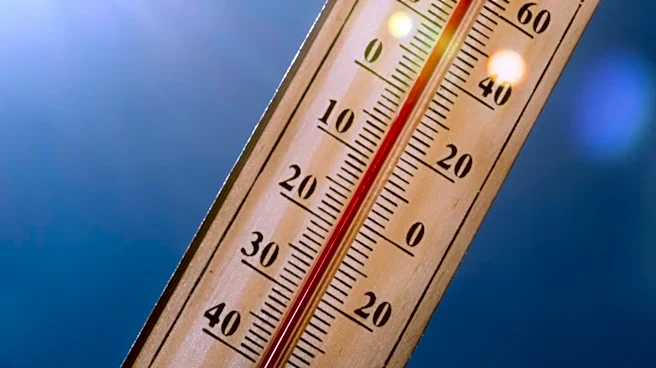
Schools across the Republic of Srpska have been abruptly closed just three days into the new academic year, a decision attributed to an ongoing heatwave. This sudden closure has created significant challenges for many families, particularly those with
young children in primary school. Parents are expressing frustration, as the closure also means extended day programs will not operate, leaving them to find alternative childcare arrangements while they are at work. One parent from Banja Luka highlighted the difficulty of securing childcare for her second-grader, especially after just managing to enroll her younger daughter in kindergarten. The decision has sparked debate, with some parents questioning the timing and the lack of foresight, given that politicians had participated in first-day-of-school photo opportunities shortly before the closure.
Why It's Important?
The unexpected school closures in the Republic of Srpska underscore broader societal and economic implications, particularly concerning family support systems and educational planning. The disruption highlights the vulnerability of working parents to sudden changes in public services, potentially impacting their productivity and financial stability. The situation also brings to light the adequacy of infrastructure in public schools to cope with extreme weather conditions, suggesting a need for better climate control or more robust contingency plans. Furthermore, the public discourse around the decision, including criticisms of political posturing and the lack of long-term solutions for childcare, reflects a deeper public concern about governmental responsiveness to everyday challenges faced by citizens. The incident could prompt a reevaluation of educational policies and infrastructure investments to ensure continuity of learning and support for families.
What's Next?
The immediate future will likely involve parents continuing to navigate childcare challenges, potentially seeking informal arrangements or temporary solutions. The duration of the school closure will depend on the persistence of the heatwave, with some advocating for an extended suspension of classes if high temperatures continue. There may be increased pressure on authorities to address the underlying issues, such as improving school facilities to withstand extreme weather. Additionally, the debate around the need for subsidized extended day programs for primary school students is expected to intensify. Dijana Seizović, an advocate for such initiatives, is urging parents to support efforts for subsidized private extended day care, emphasizing its necessity during unforeseen disruptions like the current school closures. This situation could serve as a catalyst for more comprehensive policy discussions on educational infrastructure and family support in the region.
Beyond the Headlines
This event transcends a simple school closure, touching upon critical ethical and societal dimensions. The abrupt decision, while framed as a measure for student well-being, inadvertently exposes systemic issues within the educational framework and societal support structures. The reliance on ad-hoc solutions for childcare during such crises highlights a potential gap in comprehensive family policies, particularly for working parents. Ethically, it raises questions about the responsibility of the state to provide a stable educational environment and adequate support for families, especially when unforeseen circumstances arise. Culturally, the public's reaction, ranging from frustration to calls for collective action, reflects a growing demand for transparency and accountability from public institutions. This incident could also trigger a broader conversation about climate resilience in public infrastructure and the need for proactive measures to adapt to changing environmental conditions, ensuring that essential services like education remain uninterrupted.