






What's Happening?
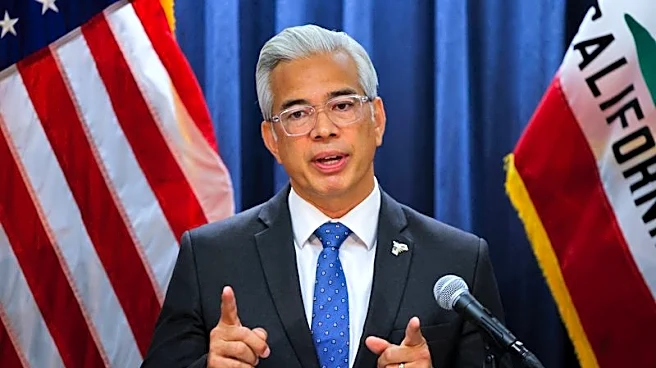
California Governor Gavin Newsom, a Democrat, has signed a package of new laws regulating data centers, while Texas Governor Greg Abbott, a Republican, has directed the Texas Commission on Environmental Quality (TCEQ) to halt new permits for data center development.
These actions reflect a rare bipartisan consensus on the need to address the environmental and economic impacts of the rapidly expanding data center industry. California's new laws mandate disclosure of electricity and water usage by data centers, remove environmental exemptions for these facilities, and aim to prevent rising energy costs for consumers. Governor Newsom stated that these measures ensure Californians are not burdened by the profits of data centers. In Texas, Governor Abbott's directive expands on a previous moratorium, requiring data centers to undergo audits by the Electric Reliability Council of Texas (ERCOT) and the Texas Water Development Board (TWDB) to ensure they cover their own costs and protect the state's grid and water resources.
Why It's Important?
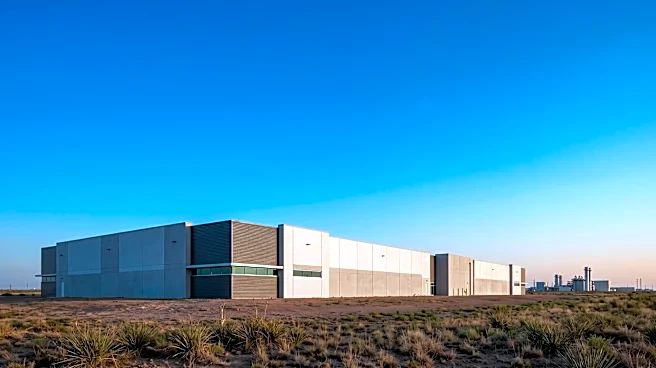
These regulatory actions by two of the most populous U.S. states signal a significant shift in how data centers are perceived and managed, moving from largely unregulated growth to increased scrutiny. The bipartisan nature of these concerns highlights a growing national awareness of the environmental footprint of the tech industry, particularly its demands on water and electricity. For the data center industry, these new regulations introduce substantial challenges, including increased compliance costs and potential limitations on expansion in key markets. The Data Center Coalition has expressed disappointment, warning that these laws could make California an unattractive location for data center development, potentially pushing job creation and tax revenue to other states. Conversely, for residents in California and Texas, these measures aim to protect natural resources, stabilize electricity costs, and mitigate noise pollution, addressing widespread community concerns.
What's Next?
The immediate next steps will involve data centers in California adapting to the new disclosure requirements and operating without previous environmental exemptions. In Texas, the halt on new permits will remain until the mandated audits by ERCOT and TWDB are completed, which will assess the data centers' impact on the state's electrical grid and water supply. The outcomes of these audits will likely determine future permitting policies and could lead to more permanent regulatory frameworks. Other states may observe these developments closely, potentially adopting similar measures as concerns about data center resource consumption grow nationwide. The industry will likely continue to lobby against what it perceives as overly restrictive regulations, while environmental and community groups will push for stronger oversight and accountability.
Beyond the Headlines
The convergence of California and Texas on data center regulation reveals a deeper societal reckoning with the environmental costs of the digital age. As artificial intelligence and other data-intensive technologies proliferate, the energy and water demands of data centers are becoming increasingly unsustainable. This bipartisan push for regulation suggests that environmental concerns, when tied to tangible impacts like water scarcity and rising utility bills, can transcend traditional political divides. It also highlights the evolving role of state governments in regulating industries that have historically operated with minimal oversight. This trend could lead to a more decentralized approach to environmental policy, where states take the lead in addressing specific local impacts, potentially influencing federal policy in the long run and fostering innovation in more sustainable data center technologies.