



What's Happening?
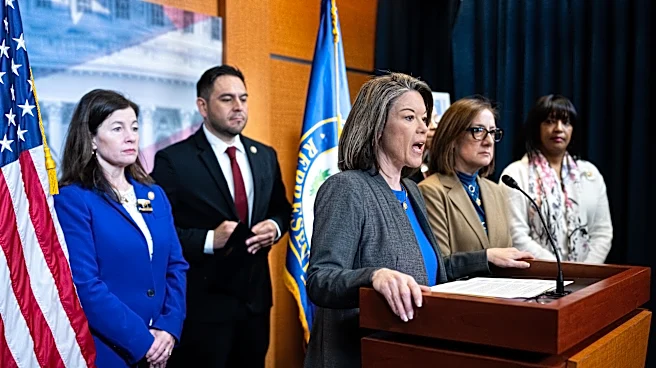
Virginia Attorney General Jay Jones has joined a bipartisan coalition of 45 attorneys general in urging Congress to pass the Senate version of the Kids Online Safety Act (KOSA). This legislation aims to strengthen online protections for children and teenagers.
The coalition, led by the attorneys general of Hawai'i, Connecticut, Ohio, and Tennessee, emphasizes the need for stronger nationwide protections for children online. In a letter to congressional leadership, Attorney General Jones and his counterparts expressed support for Senate Bill 1748, which would establish minimum safety standards for social media and gaming platforms while preserving states' authority to enact and enforce laws protecting children from online harms. The attorneys general highlighted that while the recent $17 billion multistate settlement with Meta introduced significant safeguards for users under 18 on Facebook and Instagram, these protections are not consistent across the entire technology industry.
Why It's Important?
The bipartisan push for KOSA underscores a growing national concern regarding the impact of social media on the mental health and safety of young people. This legislative effort seeks to establish a uniform standard of care for all online platforms, ensuring that protections for children are not dependent on individual company settlements or varying state laws. The proposed Duty of Care provision in KOSA is particularly significant as it would create a lasting standard that adapts to evolving technologies and platform features, providing more comprehensive and enduring safeguards. This initiative reflects a broader societal demand for greater accountability from technology companies regarding the design and impact of their products on vulnerable populations, aiming to mitigate issues such as addictive features, cyberbullying, and exposure to harmful content.
What's Next?
The bipartisan coalition's letter to Congress aims to accelerate the passage of the Kids Online Safety Act in the Senate. If passed, the bill would then move to the House of Representatives for consideration. The legislative process will involve debates, potential amendments, and votes in both chambers. Should KOSA become law, it would mandate new safety standards for social media and gaming platforms, requiring them to implement features like daily time limits, restrictions on nighttime use, stronger anti-bullying measures, and enhanced parental controls across the industry. This would likely lead to significant operational changes for technology companies and increased oversight from federal and state authorities, potentially setting a new precedent for online child safety regulations in the United States.
Beyond the Headlines
The push for KOSA reflects a fundamental shift in how policymakers view the responsibilities of technology companies, moving from a hands-off approach to one that demands greater corporate accountability for user well-being, especially for minors. This legislation could set a precedent for future regulations concerning digital platforms, potentially influencing how other industries are regulated in the digital age. Ethically, it raises questions about the balance between free speech, platform responsibility, and parental rights in the online sphere. Legally, it could lead to new frameworks for liability and enforcement against companies that fail to protect young users. Culturally, it signifies a growing awareness and concern about the pervasive influence of digital technologies on youth development and mental health, prompting a broader societal conversation about digital literacy and responsible technology use.