









What's Happening?
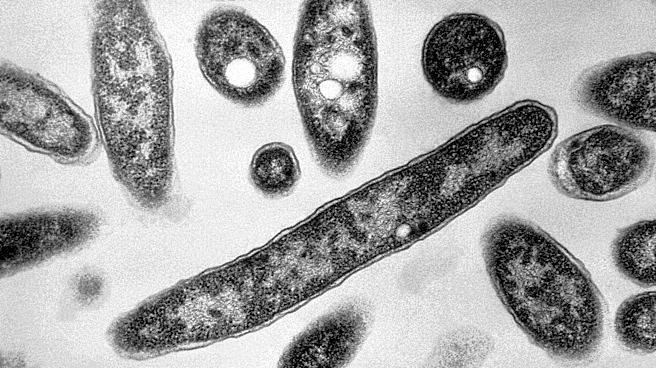
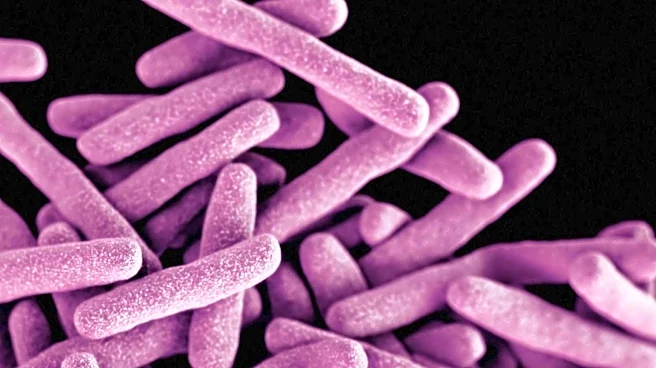
A second person has died in connection with a Legionnaires' disease outbreak in New York City, affecting the Upper East Side. The outbreak has sickened at least 72 people, with nine still hospitalized. The city's health department has been actively addressing
the situation by inspecting and cleaning cooling towers, which are believed to be the source of the Legionella bacteria. The bacteria can proliferate in warm water systems and spread through water vapor. The health department has reported that the aggressive strategy of testing and remediation appears to have stopped the source of exposure. The outbreak began with two confirmed cases on July 2, and the number of new cases has since decreased significantly.
Why It's Important?
This outbreak highlights the importance of maintaining and regulating building infrastructure to prevent the spread of infectious diseases. Legionnaires' disease, while treatable, can be fatal, particularly affecting older adults and those with pre-existing health conditions. The city's response, including immediate cleaning and disinfection of cooling towers, demonstrates the necessity of swift public health interventions to control outbreaks. The incident also raises awareness about the potential risks associated with large building cooling systems and the need for regular maintenance and compliance with health regulations to protect public health.
What's Next?
The New York City health department will continue to inspect cooling towers and enforce compliance with public health laws. Building owners who fail to meet these standards may face penalties. The city is also likely to review and possibly enhance its public health policies to prevent future outbreaks. Additionally, there may be increased public scrutiny and demand for transparency regarding the handling of such health crises, as indicated by City Council Speaker Julie Menin's call for a Council hearing on the matter.