





What's Happening?
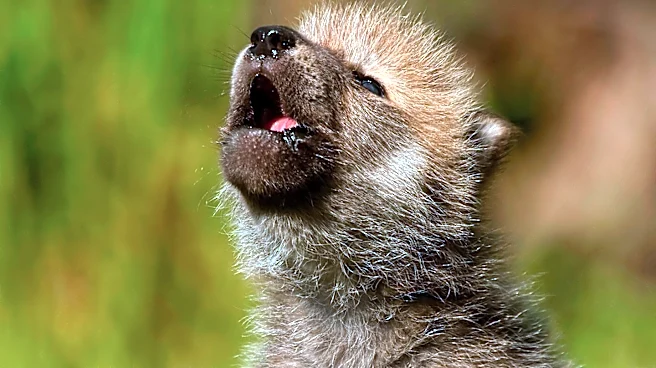
Wildlife advocates and conservationists are preparing to petition Idaho state officials to ban the killing of wolf pups and their mothers. This initiative follows reports that the state paid thousands of dollars in reimbursements to hunters and trappers
who legally killed 12 wolf pups earlier this year. Suzanne Asha Stone, Executive Director of the International Wildlife Coexistence Network, stated that a coalition of advocates will present the petition to the Idaho Fish and Game Commission. The advocates argue that killing wolf pups is unethical, violates fair chase hunting principles, and reflects poorly on the state's wildlife management practices. They are calling for wolves to be managed similarly to black bears and mountain lions, where young and mothers are protected until they reach five months of age.
Why It's Important?
This petition highlights a significant ethical and policy debate within U.S. wildlife management, particularly concerning predator control. The practice of reimbursing hunters for killing wolf pups, which opponents liken to bounties, draws parallels to historical eradication campaigns and raises questions about the state's commitment to modern conservation principles. The controversy impacts Idaho's reputation among conservation groups and potentially the broader hunting community, as some hunters themselves view the practice as unethical. The outcome of this petition could influence future wildlife management policies in Idaho and potentially set precedents for how other states approach predator control, balancing ecological concerns with agricultural and livestock interests.
What's Next?
The petition will be presented to the Idaho Fish and Game Commission, though it is expected to be formally heard and responded to at a subsequent meeting, likely in January. Advocates aim to secure a ban on killing wolf pups and their mothers before the April denning season. This process will involve public discourse, scientific review, and potentially legislative action. The Idaho Department of Fish and Game will need to address the concerns raised by conservationists while also considering the perspectives of livestock producers and other stakeholders who support wolf population control. The decision will reflect the state's evolving approach to wildlife conservation and its balance of various interests.
Beyond the Headlines
The debate over wolf management in Idaho touches upon deeper philosophical questions about humanity's relationship with nature and the role of apex predators in ecosystems. The reintroduction of wolves in the 1990s was a landmark conservation effort, and current practices that incentivize killing pups challenge the long-term goals of species recovery and ecological balance. This issue also exposes the tension between state-level wildlife management and broader national and international conservation ethics. The use of public funds for such reimbursements raises questions about fiscal responsibility and the allocation of resources towards conservation versus control. The outcome could influence public perception of hunting, potentially leading to increased advocacy for more humane and ecologically sound wildlife management strategies across the U.S.