
What's Happening?
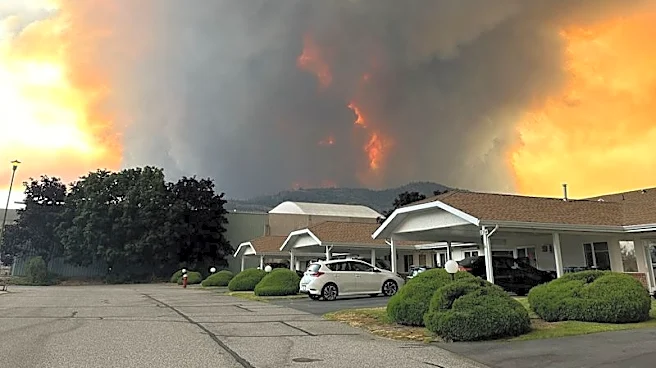
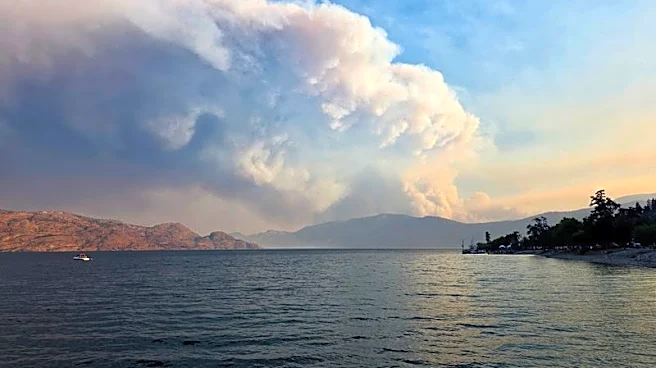
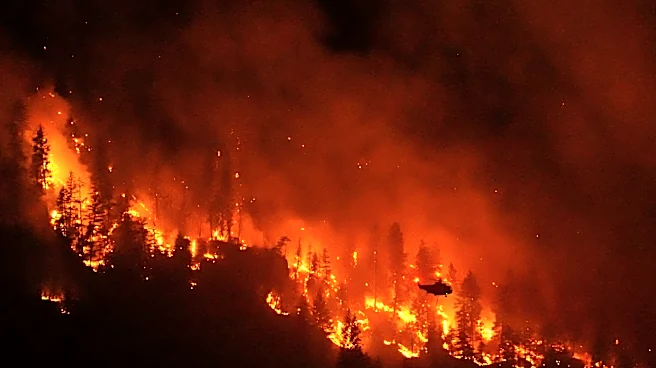
A fast-moving wildfire in British Columbia has led to the evacuation of more than 20,000 people as it rapidly spread towards communities along Okanagan Lake. The entire community of Summerland, with a population of about 12,000, and approximately 8,000
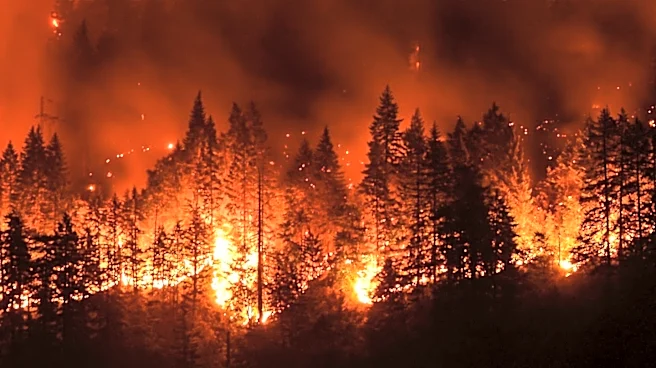
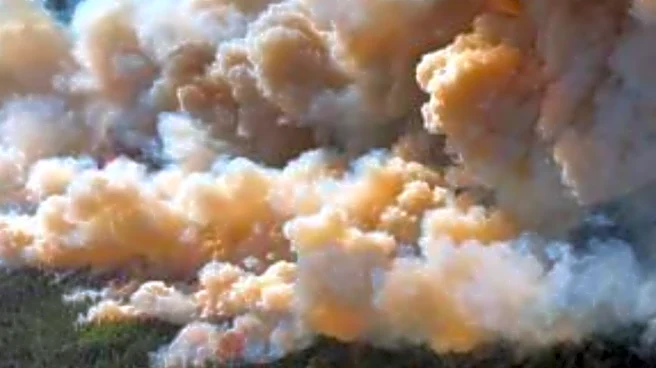
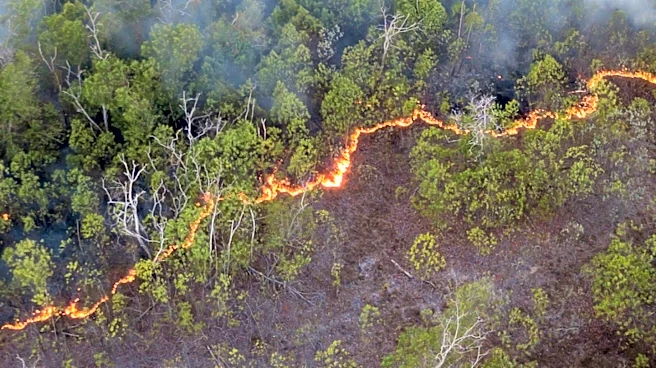
residents in and around Peachland were ordered to evacuate. The Bald Range wildfire, first reported on Friday evening, expanded to cover 50 square kilometers within hours, overwhelming smaller communities like Faulder. Emergency official Erick Thompson described it as one of the fastest-growing wildfires the region has experienced. The fire has destroyed homes and trapped residents, necessitating rescue operations.
Why It's Important?
The wildfire in British Columbia highlights the increasing frequency and intensity of wildfires in the region, which are often linked to climate change. These events have significant implications for public safety, as they force mass evacuations and destroy homes, leading to displacement and loss of property. The situation also underscores the need for effective emergency response and coordination among agencies to manage such crises. The smoke from these fires can affect air quality over large areas, impacting health and daily life for people in both Canada and the United States.
What's Next?
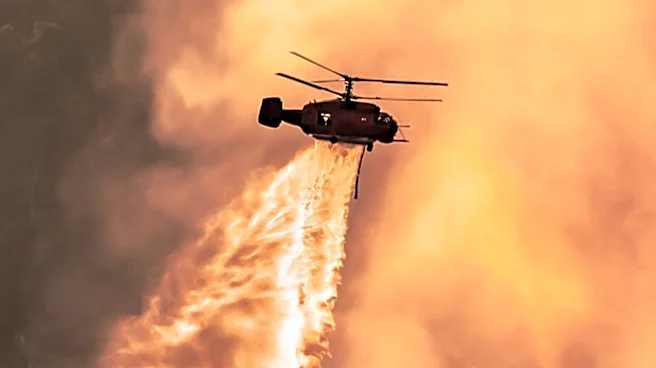
As the wildfire continues to spread, emergency services are focused on rescuing trapped residents and preventing further destruction. The state of emergency declared by British Columbia allows for additional powers to manage the crisis, including travel restrictions and securing accommodations for evacuees. The situation remains dynamic, with firefighting efforts ongoing and the potential for more communities to be affected. Authorities are likely to continue monitoring weather conditions closely, as hot, windy weather and prolonged drought exacerbate the fire risk.