
What's Happening?
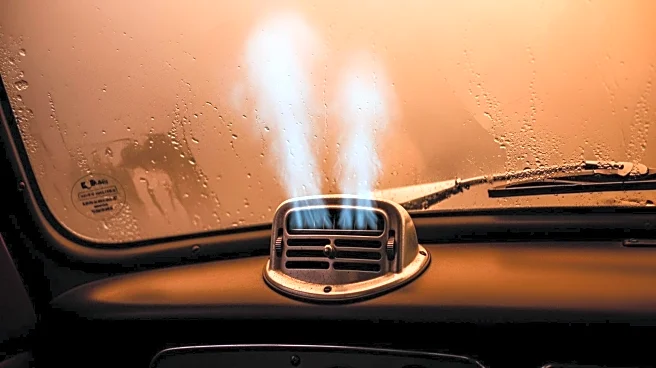
In the early days of automobiles, drivers faced significant challenges in staying warm during cold weather due to the lack of enclosed cabins and heating systems. Early motorists used various methods to generate
heat, such as gas lamps burning coal gas, heated stones, and charcoal stored in iron and asbestos drawers. These methods, while innovative, exposed drivers to serious risks including fire hazards, carbon monoxide poisoning, and potential asbestos exposure. Over time, car heating technology evolved, with significant improvements like Ford's 'Aeroflow' system in the 1960s, which introduced recirculating air and made heaters a standard feature in vehicles. Despite these advancements, modern climate control systems in cars have introduced new concerns, particularly related to the use of touchscreen controls, which can distract drivers and increase the risk of accidents.
Why It's Important?
The evolution of car heating systems highlights the ongoing balance between technological advancement and safety. While early heating methods posed direct health risks, modern systems present challenges related to driver distraction. The shift from physical controls to touchscreen interfaces in vehicles has sparked debate over safety, as touchscreens can divert attention from the road. This issue is particularly relevant given the widespread legal restrictions on phone use while driving. The automotive industry's response to these concerns, including potential shifts back to physical controls, could influence future vehicle design and safety standards. The discussion also underscores the importance of considering user experience and safety in the development of new automotive technologies.
What's Next?
As the automotive industry continues to innovate, there may be a reevaluation of the use of touchscreen controls in vehicles. Some manufacturers, like Volkswagen, have already acknowledged the drawbacks of abandoning physical controls. This could lead to a resurgence of more tactile interfaces that prioritize driver safety. Additionally, regulatory bodies may increase scrutiny on in-car technology to ensure it does not compromise road safety. The industry might also explore new ways to integrate advanced technology with user-friendly designs that minimize distraction. These developments could shape the future of automotive design and influence consumer preferences.