




What's Happening?
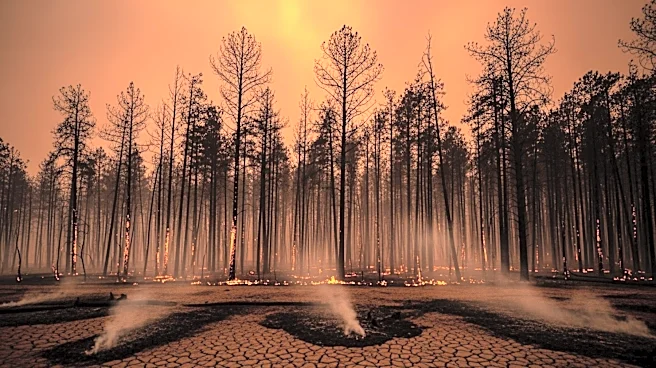
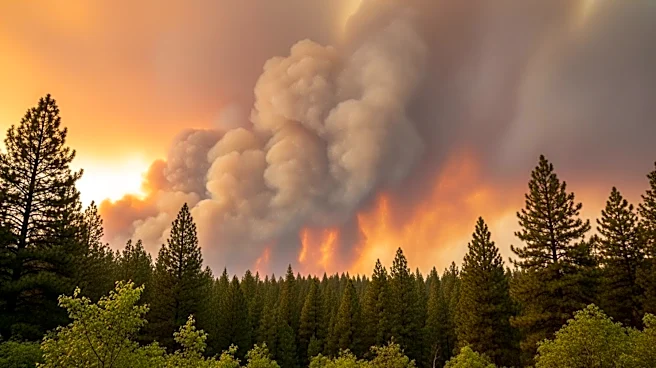
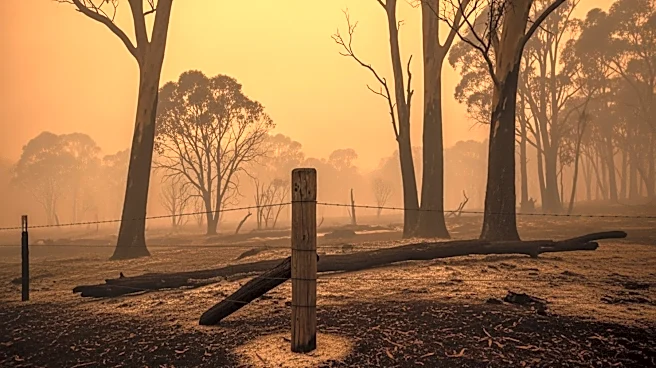
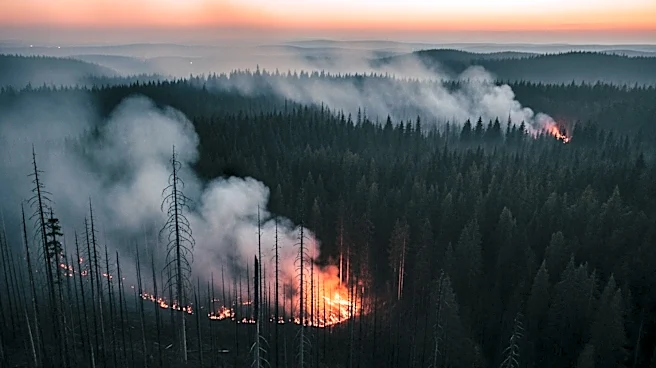
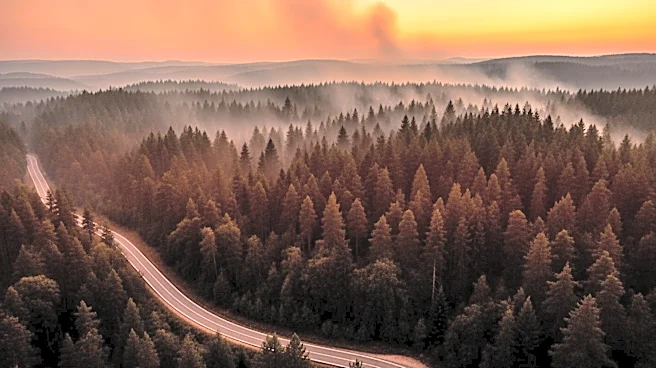
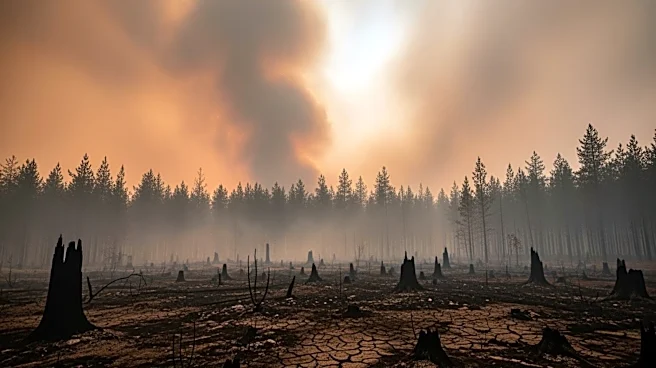
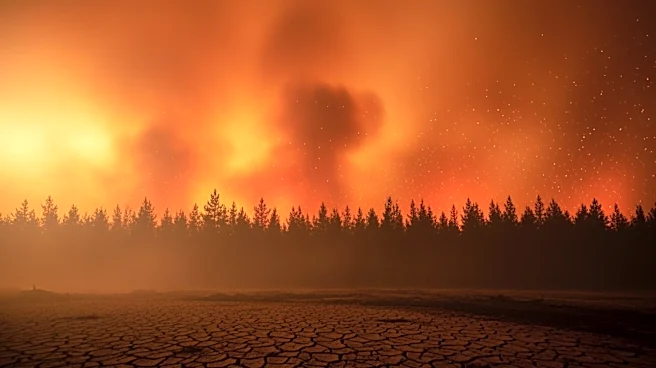
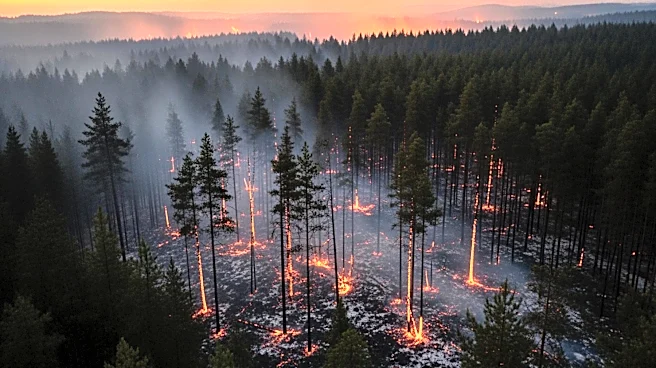
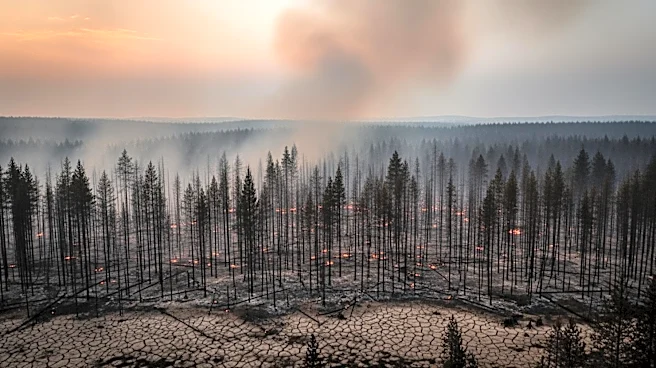
Wildfires fueled by extreme drought and high winds are ravaging South Georgia, leading to a State of Emergency declared by Governor Brian P. Kemp for 91 counties. The fires, including the Pineland Road Fire in Clinch County and the Highway 82 Fire in Brantley
County, have burned tens of thousands of acres and destroyed numerous homes. Fire crews are struggling to contain the blazes due to challenging conditions such as low humidity and difficult terrain. The fires have significantly increased PM2.5 pollution levels, posing health risks to residents, especially vulnerable groups like the elderly and those with pre-existing health conditions. A mandatory burn ban has been issued to prevent further fires.
Why It's Important?
The wildfires in Georgia highlight the increasing frequency and intensity of such events, likely exacerbated by climate change. The health implications are severe, with elevated PM2.5 levels posing risks to respiratory health, particularly for sensitive populations. The economic impact is also significant, with property destruction and resource allocation for firefighting efforts. The situation underscores the need for robust emergency response systems and long-term strategies to mitigate wildfire risks and protect public health.
What's Next?
Efforts to contain the fires are ongoing, with fire crews focusing on strengthening fire lines and protecting structures. The State of Emergency allows for additional resources and federal assistance, which will be crucial in managing the crisis. The burn ban will remain in effect for at least 30 days, and residents are urged to follow safety guidelines to minimize health risks. The situation remains dynamic, with weather conditions playing a critical role in the fire's progression and containment efforts.