







What's Happening?
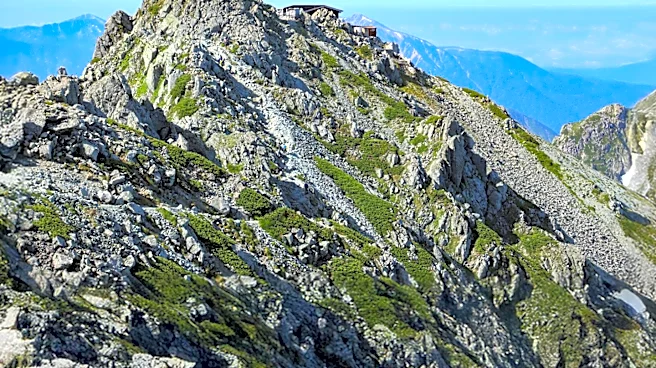
A new study commissioned by Dartmouth College researcher Jonathan Chipman indicates that the landscape atop Mount Katahdin, Maine's highest peak, is undergoing a process known as alpine greening. This phenomenon involves a gradual increase in vegetation
above the tree line in alpine zones, where the climate was previously too harsh for larger plants to grow. The study utilized satellite imagery spanning over 40 years to analyze long-term environmental changes in alpine zones across mountains in Maine, New Hampshire, and Quebec. Chipman reported that trees are beginning to spread into areas that were formerly above the tree line, attributing this change to climate warming. He predicts that alpine zones, particularly smaller ones, will continue to shrink and may eventually disappear, transforming into forested areas. Nava Tabak, natural resource director at Baxter State Park, emphasized the importance of long-term data in detecting these subtle, year-to-year changes and noted that alpine sedge communities appear to be most affected.
Why It's Important?
The findings of this study are significant for understanding the ecological impacts of climate change in U.S. mountain ecosystems. The shrinking of alpine zones threatens unique biodiversity, including rare plant species that are particularly sensitive to habitat alterations. As these specialized environments convert to forest, there is a risk of local extinctions and a reduction in overall ecological diversity. For conservation efforts, this research highlights the urgency of addressing climate warming and its direct effects on vulnerable ecosystems. It also provides critical data for land management agencies like Baxter State Park, which operates with a hands-off wilderness approach, focusing on managing human impact rather than directly intervening with natural processes. The study underscores the need for visitors to stay on marked trails to minimize disturbance in these sensitive areas.
What's Next?
The ongoing process of alpine greening suggests that further ecological shifts are likely in the coming decades. Researchers will continue to monitor these changes, potentially using more advanced satellite imaging and ground-based observations to track vegetation spread and species composition. Conservationists and park managers will need to assess how these environmental transformations impact rare plant populations and overall ecosystem health. Public awareness campaigns may be intensified to educate visitors about the fragility of alpine environments and the importance of adhering to park guidelines, such as staying on marked trails. Policy discussions regarding climate change mitigation and adaptation strategies for natural areas in the Northeast may also gain renewed urgency based on these findings, as the long-term viability of these unique mountain landscapes is at stake.
Beyond the Headlines
The 'alpine greening' phenomenon on Mount Katahdin and other peaks points to a broader, systemic ecological response to global climate change. Beyond the immediate impact on plant life, these shifts can affect entire mountain ecosystems, including insect populations, bird species, and water cycles. The loss of distinct alpine zones could diminish the unique aesthetic and recreational value of these mountains, altering the experience for hikers and nature enthusiasts. Ethically, it raises questions about human responsibility in preserving natural heritage and the extent to which intervention is warranted in areas traditionally managed as wilderness. The study serves as a stark reminder of how interconnected global climate patterns are with local ecological dynamics, illustrating that even remote, high-altitude environments are not immune to widespread environmental changes.