





What's Happening?
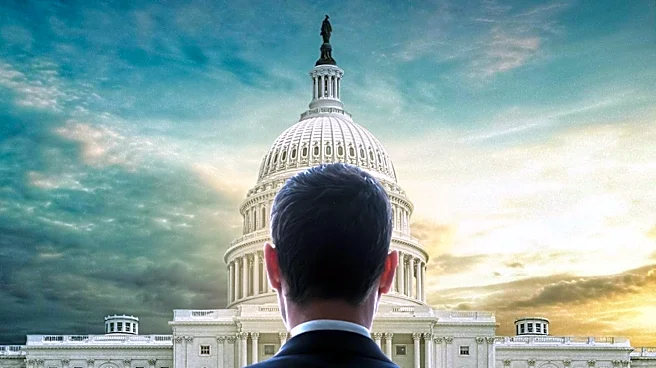
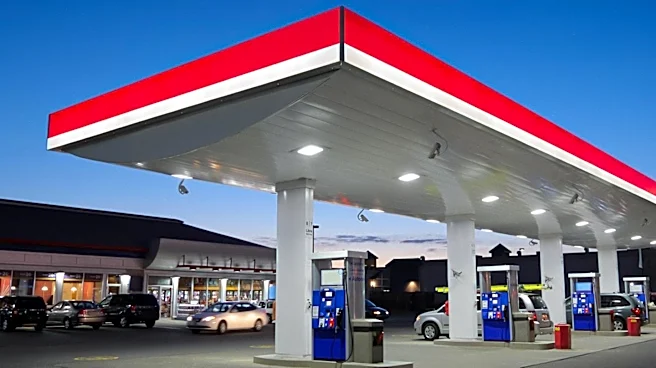
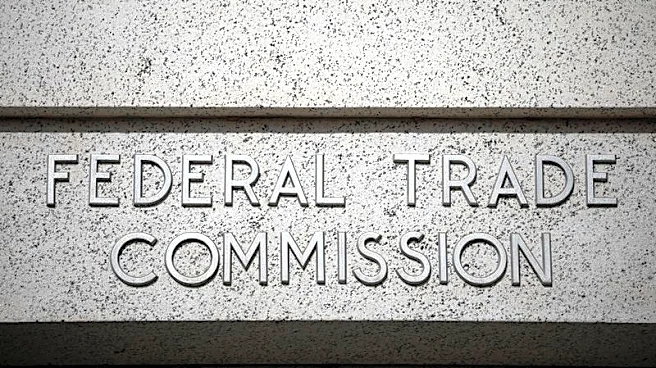
The Department of Justice (DOJ) and the Federal Trade Commission (FTC) are calling on state attorneys general to investigate and prosecute any illegal activities that may be contributing to high gas prices in the United States. This initiative follows
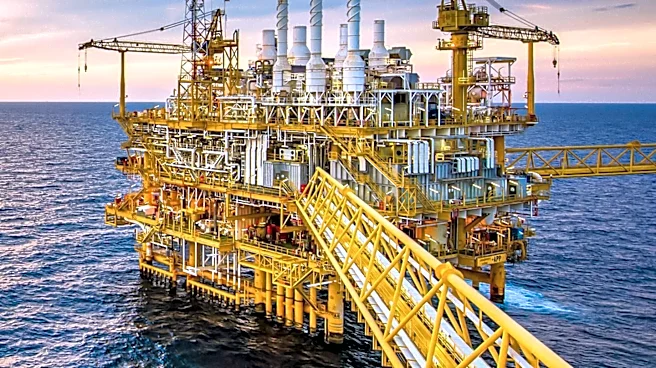
a directive from President Trump, who has accused major oil companies of not reducing gas prices at the pump in line with the falling crude oil prices. The DOJ and FTC have emphasized that recent fluctuations in crude oil prices do not exempt companies from adhering to antitrust and consumer protection laws. They are urging state law enforcers to use all available legal tools to address any misconduct that results in unjustified price increases, particularly those that violate state antitrust and consumer protection statutes.
Why It's Important?
This move by the DOJ and FTC is significant as it highlights the federal government's commitment to ensuring fair pricing practices in the petroleum market, which directly affects millions of Americans. High gas prices have a broad impact on the economy, influencing everything from consumer spending to transportation costs. By urging states to crack down on illegal pricing practices, the federal agencies aim to protect consumers from being overcharged and to maintain competitive market conditions. This action could lead to increased scrutiny of oil companies and gas retailers, potentially resulting in legal actions and fines for those found guilty of price manipulation.
What's Next?
As the DOJ and FTC continue to monitor the petroleum markets, state attorneys general are expected to ramp up investigations into potential illegal activities affecting gas prices. This could lead to a series of legal actions against companies found to be engaging in price gouging or other anticompetitive practices. The outcome of these investigations could set precedents for how similar cases are handled in the future and may result in stricter regulations and oversight of the oil and gas industry. Additionally, the federal government may consider further policy measures to ensure transparency and fairness in fuel pricing.