







What's Happening?
Organic farming practices are characterized by a significant reduction in chemical inputs such as pesticides and fertilizers, instead relying on natural methods to cultivate crops and manage land. Key techniques include composting, crop rotations, and biological
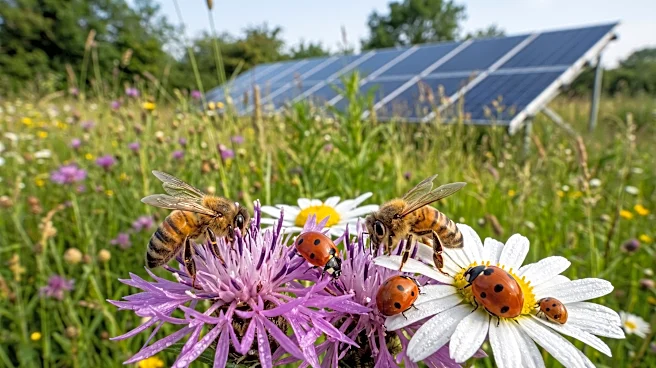
pest control. These approaches are designed to improve soil health by fostering a vibrant soil microbiome and enhancing biodiversity. The goal is to create a sustainable farming system that requires less intervention over time to optimize production. This method contrasts with conventional farming, which often depends on artificial fertilizers and chemicals for short-term gains, leading to environmental issues like soil salinity, algal blooms, and nitrification. Organic farming aims to recycle organic matter within the system to provide nutrients for plants and maintain soil condition. Animals in certified organic operations must have outdoor access, live in conditions that accommodate their natural behavior, and be fed organic sources. Preventative measures like sanitary housing, stress reduction, and rotational grazing are used to control diseases and parasites, rather than routine antibiotics or hormones.
Why It's Important?
The shift towards organic farming is important for several reasons, primarily its environmental benefits and long-term sustainability. By minimizing chemical inputs, organic farming reduces water pollution and soil degradation, protecting ecosystems and biodiversity. This approach also promotes carbon sequestration through organic matter retention in the soil, contributing to climate change mitigation. For consumers, organic products often represent a healthier choice, free from synthetic pesticides and genetically modified organisms. The emphasis on natural cycles and ecological balance can lead to more resilient agricultural systems, less vulnerable to external shocks like energy price fluctuations, which are a concern for modern farming's high energy dependency. Economically, while organic farming may require more labor, it can foster diverse local economies and reduce reliance on external markets and inputs, potentially strengthening rural communities and promoting intergenerational knowledge transfer in agriculture.
What's Next?
The continued growth and adoption of organic farming practices are expected to influence agricultural policies and consumer choices. As awareness of environmental and health impacts of conventional farming increases, there may be greater demand for organic products and more support for farmers transitioning to organic methods. Research and development in organic farming will likely focus on optimizing natural pest control, enhancing soil fertility through biological means, and developing resilient crop varieties suited for organic systems. Educational initiatives, such as online courses on organic farming, will play a crucial role in disseminating knowledge and skills to a broader audience, including farmers, students, and agricultural workers. The integration of traditional ecological knowledge with modern scientific understanding, as seen in regenerative agriculture, suggests a future where sustainable practices become more mainstream, balancing productivity with environmental stewardship.
Beyond the Headlines
Beyond the immediate benefits of healthier food and a cleaner environment, the philosophy behind organic farming represents a deeper shift in humanity's relationship with nature. It moves away from viewing nature as something to be conquered and optimized through reductionist principles, towards a more holistic understanding of interconnected ecological systems. This philosophical change has ethical implications, promoting a more respectful and harmonious coexistence with the natural world. The emphasis on biodiversity, soil health, and natural cycles can lead to a more resilient food system capable of adapting to future environmental challenges. Furthermore, the community-centric and knowledge-sharing aspects of traditional organic farming can foster stronger social bonds and a renewed appreciation for agricultural heritage, potentially counteracting the social fragmentation often associated with highly industrialized and specialized modern farming practices.