



What's Happening?
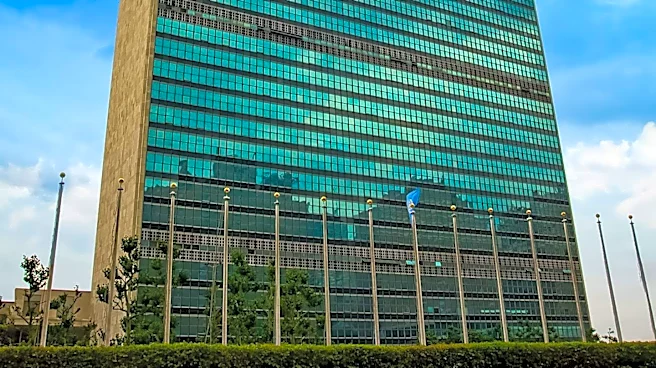
Datshiane Navanayagam has discussed the impact of toxic masculinity, particularly in South Africa and South Korea, drawing attention to concerns raised by the United Nations. The UN has identified online communities promoting misogynistic and anti-feminist
views, collectively known as the 'manosphere,' as a serious threat to gender equality. Kutlwano Mokgwathi, a doctoral researcher from Botswana, is studying the emergence of the 'Africana Manosphere' with a focus on South Africa and Botswana, countries that experience some of the highest levels of gender-based violence globally. Additionally, Sungsook Moon, a sociologist at Vassar College in New York State, is researching gender dynamics in South Korea. South Korea ranked highest among 30 countries for perceived tension between men and women, according to a King's College London study, indicating a significant gender divide and the growing influence of online misogyny in the country.
Why It's Important?
The United Nations' concern about the 'manosphere' highlights a growing global issue with significant implications for gender equality and societal well-being, including in the U.S. The spread of misogynistic and anti-feminist ideologies online can normalize harmful attitudes towards women, potentially contributing to real-world gender-based violence and discrimination. The research into the 'Africana Manosphere' in South Africa and Botswana underscores how these online movements can exacerbate existing societal challenges in regions already grappling with high rates of gender-based violence. Similarly, the situation in South Korea, with its high perceived gender tension, illustrates how these online narratives can deepen societal divisions and hinder progress towards gender equity. For the U.S., where online radicalization and gender-based violence are also concerns, these international examples serve as a warning about the potential for such online communities to undermine efforts to promote equality and respect.
What's Next?
Addressing the threat posed by the 'manosphere' will likely involve multi-faceted approaches, including increased monitoring of online platforms for hate speech and misogynistic content, as well as educational initiatives aimed at promoting media literacy and critical thinking among younger generations. International organizations like the United Nations will likely continue to advocate for stronger policies and legal frameworks to combat online gender-based violence and discrimination. Researchers like Kutlwano Mokgwathi and Sungsook Moon will continue to provide crucial insights into the dynamics and impacts of these online communities, which can inform prevention and intervention strategies. Governments and civil society organizations may also focus on counter-narrative campaigns to challenge harmful ideologies and promote positive masculinity, fostering environments that support gender equality and respect both online and offline.
Beyond the Headlines
The rise of the 'manosphere' reflects deeper societal anxieties and power shifts related to gender roles in a rapidly changing world. These online communities often capitalize on feelings of disenfranchisement and identity crises among some men, offering simplistic and often harmful explanations for complex societal issues. The phenomenon also highlights the challenges of regulating online content and balancing freedom of speech with the need to protect vulnerable groups from hate and incitement to violence. The global nature of the 'manosphere' demonstrates how digital platforms can facilitate the rapid spread of ideologies across borders, making it a transnational issue that requires international cooperation to address effectively. Ultimately, confronting the 'manosphere' requires not only addressing its online manifestations but also tackling the underlying social, economic, and cultural factors that make individuals susceptible to its messages, promoting inclusive societies where all genders can thrive.