What's Happening?
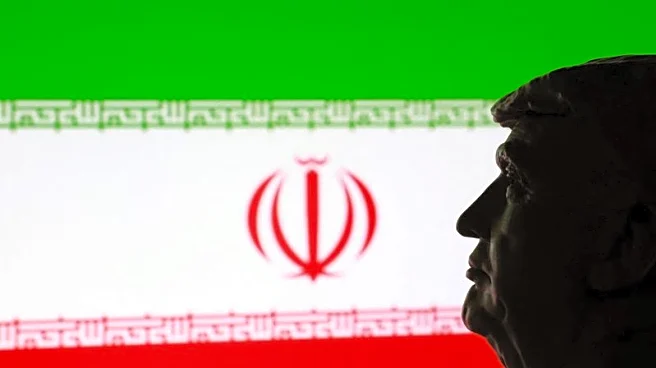
Israel and Iran have engaged in a rare exchange of messages through a Russian intermediary, agreeing not to launch preemptive strikes against each other. This communication comes amidst heightened tensions
and follows a 12-day conflict between the two nations in June. The exchange reflects Israel's intent to avoid escalating tensions with Iran while preparing for a potential military campaign against Hezbollah, an Iran-aligned militia in Lebanon. Despite public rhetoric suggesting possible strikes on Iran, Israel's private assurances aim to prevent direct conflict. Iran, while responding positively, remains cautious of Israel's intentions, suspecting potential U.S. involvement in any future attacks.
Why It's Important?
This development is significant as it highlights a strategic attempt by both Israel and Iran to manage their hostilities and avoid direct military confrontation. The involvement of Russia as an intermediary underscores the complex geopolitical dynamics in the region. For Israel, the assurance aims to isolate Hezbollah and focus military efforts on the militia without provoking Iran. For Iran, the agreement offers a temporary reprieve from direct conflict, allowing it to focus on internal challenges. The situation also impacts U.S. foreign policy, as any escalation could draw in American forces, affecting regional stability and international relations.
What's Next?
The future of this agreement remains uncertain, especially in light of ongoing protests in Iran and potential U.S. military actions. Any change in the current understanding could lead to renewed hostilities, with significant implications for regional security. Israel's military preparations continue, with a focus on Hezbollah, while monitoring Iran's response to domestic and international pressures. The role of the U.S. and Russia in mediating or influencing these dynamics will be crucial in determining the stability of the region.