








What's Happening?
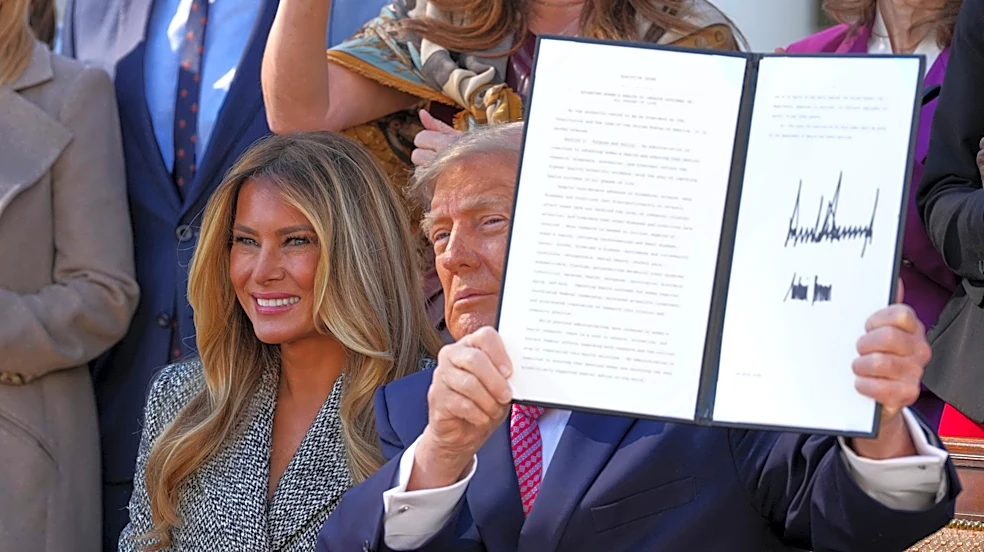
The White House is reportedly considering a comprehensive executive order, titled 'Decreasing Housing Costs for the American People,' aimed at lowering mortgage rates, reducing refinancing expenses, and eliminating other homeownership costs. This initiative,
according to a draft obtained by Scotsman Guide, would direct Fannie Mae, Freddie Mac, and several federal agencies to implement various measures. Key provisions include directing the U.S. Department of Agriculture and Department of Veterans Affairs to unilaterally lower interest rates on single-family mortgage loans. The order also seeks to identify borrowers eligible for mortgage insurance cancellation and eliminate unnecessary documentation requirements, appraisal expenses, and administrative obstacles. Federal Housing Finance Agency Director Bill Pulte would be authorized to expand a title insurance waiver pilot program introduced in 2024, which allows alternative methods for verifying property titles. The draft also calls for Fannie Mae and Freddie Mac to explore 'Super Intelligence' technologies to further reduce costs and mandates that lenders pass any resulting savings to borrowers.
Why It's Important?
This potential executive order is significant as it directly addresses the growing concern of housing affordability in the U.S., particularly with mortgage rates exceeding 7% and home sales under pressure. By aiming to reduce mortgage rates and refinancing costs, the administration seeks to make homeownership more accessible and affordable for American citizens. The directive for government-sponsored enterprises (GSEs) like Fannie Mae and Freddie Mac to utilize advanced technologies and streamline processes could lead to more efficient and less costly mortgage transactions. Furthermore, the focus on eliminating unnecessary documentation and expanding title insurance waivers could simplify the homebuying and refinancing processes, benefiting a broader range of borrowers. The order's emphasis on passing cost savings to borrowers could provide direct financial relief to homeowners and those looking to purchase a home, potentially stimulating the housing market and easing financial burdens.
What's Next?
The executive order is currently in a draft stage and remains subject to revision, with the possibility that it may not be issued at all. If issued, the Federal Housing Finance Agency Director Bill Pulte, along with other agency heads, would be tasked with implementing the directives. This would involve expanding existing pilot programs, exploring new technologies, and ensuring that cost savings are passed on to borrowers. A task force, co-chaired by Pulte and HUD Secretary Scott Turner, would also be established to address manufactured housing by standardizing permitting requirements and facilitating production. However, the legal authority for all directives within the draft executive order to comply with existing mortgage laws and agency powers remains uncertain. Stakeholders, including lenders, GSEs, and federal agencies, would need to assess the feasibility and legality of implementing these changes.
Beyond the Headlines
Beyond the immediate financial relief, this executive order could signal a broader shift in how the U.S. government approaches housing policy and affordability. The mention of 'Super Intelligence' technologies suggests a move towards integrating advanced AI and data analytics into mortgage processes, potentially leading to more personalized and efficient lending. This could also raise questions about data privacy and algorithmic bias in credit assessment. The focus on manufactured housing highlights an effort to address housing supply shortages through innovative construction methods, which could have long-term implications for urban planning and sustainable development. Furthermore, the debate over the legal authority of the executive order could set precedents for future presidential actions concerning federal agencies and their regulatory powers, potentially influencing the balance of power between the executive branch and independent agencies.