



What's Happening?
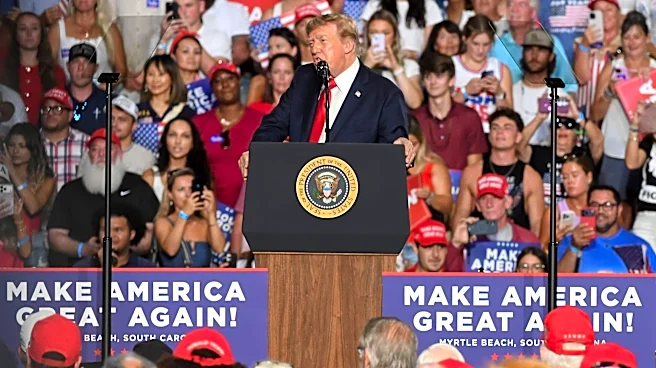
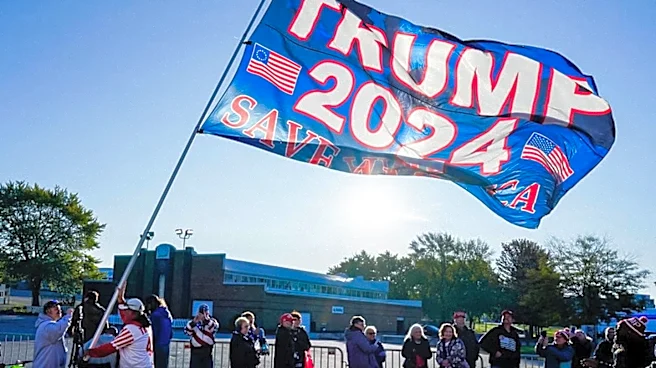
President Trump's endorsement power is under scrutiny following a series of losses for his favored candidates in the 2026 Republican primaries. Despite his repeated claims that his endorsements guarantee victories, six Trump-backed Republicans lost primaries in the past
month, bringing the total to ten losses this election cycle. President Trump has offered various explanations for these setbacks, including claiming he was secretly against candidates he publicly endorsed, or that he remained loyal to candidates he knew had no chance of winning. For example, after Rep. Cory Mills lost his GOP primary, President Trump stated he had privately advised Mills to withdraw. These explanations are being viewed as unpersuasive attempts to maintain the perception of his endorsements' infallibility.
Why It's Important?
President Trump's endorsement record is a key indicator of his influence within the Republican Party. His ability to sway primary voters has been a significant factor in shaping the party's direction and candidate selection. A weakening of this influence could signal a shift in the Republican landscape, potentially empowering other party leaders or allowing for a more diverse range of candidates to emerge. The perceived infallibility of his endorsements has been a tool for President Trump to demand loyalty and obedience from GOP officials and candidates. If this perception erodes, it could alter the dynamics of power within the party, potentially leading to more independent decision-making among Republican politicians and a less centralized control over the party's agenda. This could also impact future election strategies and fundraising efforts for candidates seeking his backing.
What's Next?
With several more state primaries scheduled in the coming weeks, President Trump's endorsement record will continue to be tested. The outcomes of these remaining primaries will further clarify the extent of his influence and whether the recent losses are an anomaly or a trend. Republican candidates will be closely watching these results to determine the strategic value of seeking or relying on President Trump's endorsement. The media and political analysts will continue to track his success rate and the excuses he offers for losses, which could further shape public perception of his political power. The long-term implications could include a recalibration of how Republican candidates approach endorsements and a potential shift in the party's internal power structures.
Beyond the Headlines
The narrative surrounding President Trump's endorsements goes beyond mere election results; it speaks to the nature of political power and influence in the modern era. His claims of near-perfect success rates, even when contradicted by evidence, highlight a strategy of maintaining an image of dominance. The need to offer excuses for losses, rather than acknowledging them, underscores the importance of this image to his political brand. This phenomenon raises questions about the role of personality cults in politics, the impact of social media on political messaging, and the challenges of distinguishing fact from assertion in a highly polarized environment. The ongoing scrutiny of his endorsements reflects a broader struggle within the Republican Party to define its future identity and leadership beyond President Trump's direct influence.