



What's Happening?
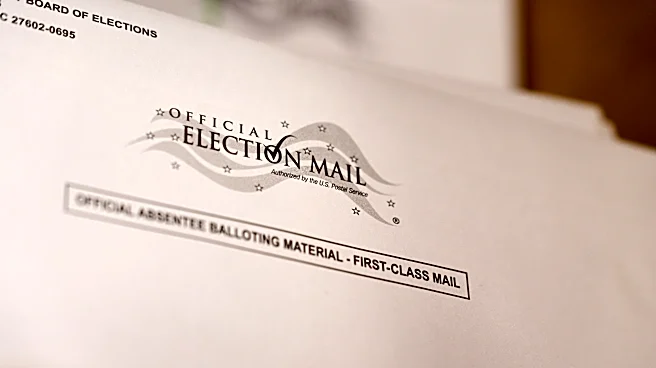
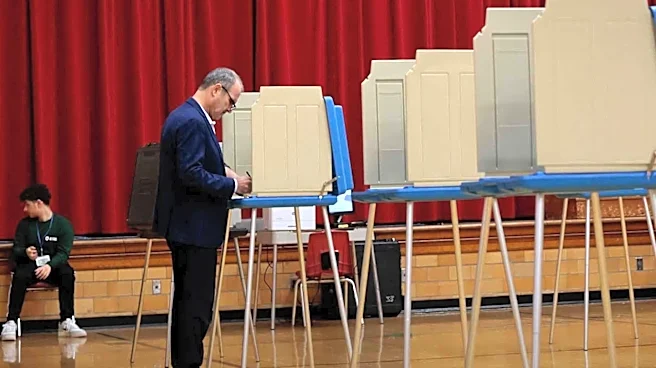
Anthony Teso, a voter from Camas, has issued a rebuttal to Lars Larson's assertions regarding mail-in ballots and voter fraud, specifically addressing claims about uncounted ballots and the 2005 Carter-Baker report. Teso argues that while ballots are
indeed not being counted, Larson misidentifies who is losing them. He points to data released by Senator Cantwell and Secretary of State Steve Hobbs on September 2, indicating a drop in mail returns from 41.3 percent in the 2024 primary to 30.9 percent in August, while drop box usage increased. Teso highlights that more rejections from a smaller pool of mail ballots suggest issues beyond voter habits. He also cites instances in Stevens County and Mason County where a significant increase in rejected ballots due to late postmarks occurred, with county election officials raising concerns about local postal breakdowns, particularly affecting rural conservative voters. Teso clarifies that the 2005 Carter-Baker report, contrary to some interpretations, warned about absentee ballots but also praised Oregon's all-mail voting system for avoiding significant fraud through signature verification. Furthermore, he notes that former President Jimmy Carter himself called for expanding mail voting in 2020 and 2021 and voted by mail.
Why It's Important?
This rebuttal is important as it directly challenges narratives surrounding mail-in voting integrity, a contentious issue in U.S. politics. By providing specific data and context, Teso's arguments aim to clarify misconceptions and shift the focus from voter habits to systemic issues, such as postal service efficiency. The discussion about the Carter-Baker report's true stance on mail-in voting is crucial for informed public discourse, as misinterpretations of such reports can fuel distrust in electoral processes. The reported increase in rejected ballots in rural, conservative-leaning counties, attributed to postal issues rather than voter behavior, highlights a potential disenfranchisement of specific demographics. This could have significant implications for election outcomes and voter confidence, particularly in closely contested elections. The debate also touches upon the broader issue of election security and the balance between ensuring ballot access and preventing fraud, which remains a central theme in U.S. electoral reform discussions.
What's Next?
The ongoing debate surrounding mail-in voting and election integrity is likely to continue, especially as the next election cycle approaches. The concerns raised by county election officials regarding postal service breakdowns in rural areas may prompt further investigations or calls for improved mail delivery services, particularly for ballots. Political leaders and civil society groups may continue to advocate for specific reforms, either to expand mail-in voting access or to implement stricter identification requirements, as seen with the mention of the SAVE America Act. The differing interpretations of reports like the Carter-Baker report suggest that public education and clear communication from election officials will be vital to ensure voters understand the processes and safeguards in place. The focus on specific data points, such as the decline in mail returns and the rise in drop box usage, could lead to policy discussions about optimizing voting methods to ensure all legitimate ballots are counted.
Beyond the Headlines
Beyond the immediate concerns of ballot counting and voter fraud, this discussion touches upon deeper implications for democratic participation and trust in institutions. The politicization of voting methods, such as mail-in ballots, can erode public confidence in election results, regardless of their accuracy. The emphasis on postal service reliability in rural areas highlights the often-overlooked logistical challenges in ensuring equitable access to voting, which can disproportionately affect certain communities. The debate also underscores the importance of accurate information and the dangers of misinterpreting historical reports or data to support a particular political agenda. Ultimately, the ability of the U.S. electoral system to adapt to changing circumstances while maintaining integrity and public trust will depend on a willingness to address systemic issues with factual evidence and bipartisan cooperation, rather than through partisan rhetoric.