







What's Happening?
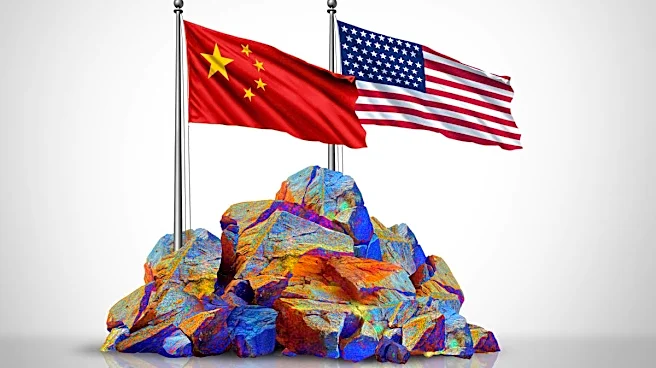
The US International Development Finance Corporation (DFC) is expanding its direct equity investments, particularly in Africa and the critical minerals sector. This move is part of a broader US strategy to counter China's dominance in key supply chains.
The DFC, which serves as the US Government's primary investment arm, previously committed up to US$155 million to the African digital infrastructure provider West Indian Ocean Cable Company (WIOCC) in September, marking its largest equity commitment to date. Vibhuti Jain, DFC Regional Managing Director for Africa, stated that the agency will deploy equity in addition to or in place of other financial instruments when projects are strategically significant. She confirmed that several projects in the equity pipeline are currently in Africa, including those within the critical minerals sector, though specific details were not disclosed. While debt financing, credit guarantees, and political risk insurance will continue to be the primary forms of support, the DFC anticipates increasing its equity investments as the agency grows.
Why It's Important?
This strategic shift by the DFC is crucial for the United States' economic and national security interests, as it directly addresses the global competition for critical minerals. These minerals are essential for the production of electric vehicles, renewable energy technologies, and various high-tech industries. By increasing equity investments in African critical minerals projects, the US aims to diversify its supply chains and reduce its reliance on China, which currently holds a significant market share in this sector. This initiative could foster economic development in African nations, creating new partnerships and strengthening existing ones between the US and African countries. For US industries, securing a stable and diversified supply of critical minerals is vital for innovation, manufacturing, and maintaining a competitive edge in emerging technologies. The DFC's focus on this sector underscores the growing recognition of critical minerals as a geopolitical and economic imperative, impacting everything from technological advancement to national defense.
What's Next?
The DFC is expected to continue identifying and investing in critical minerals projects across Africa, with a focus on those that align with US strategic interests. This includes financing projects such as rare earths developments and a graphite mine in Mozambique, as well as supporting infrastructure like the Lobito minerals transport corridor, which connects African copper and cobalt mines to the Atlantic coast. These investments are anticipated to bolster the supply chain resilience for critical minerals, potentially leading to increased availability and reduced price volatility for US industries. The DFC's ongoing commitment to direct equity investments suggests a long-term strategy to build robust and diversified supply networks. Future developments will likely involve further announcements of specific projects and partnerships, as well as monitoring the impact of these investments on global critical mineral markets and geopolitical dynamics.
Beyond the Headlines
The DFC's increased focus on equity investments in African critical minerals carries deeper implications beyond immediate supply chain concerns. It represents a strategic pivot in US foreign policy and economic engagement, moving towards more direct involvement in resource development in key regions. This approach could foster greater economic self-sufficiency and industrialization within African nations, potentially leading to more equitable partnerships compared to traditional resource extraction models. However, it also raises questions about the environmental and social governance standards that will be applied to these projects, and how the DFC will ensure sustainable and responsible development. The long-term success of this initiative will depend not only on securing mineral supplies but also on building lasting relationships based on mutual benefit and adherence to high ethical standards, thereby shaping the future of global resource diplomacy and sustainable development.