







What's Happening?
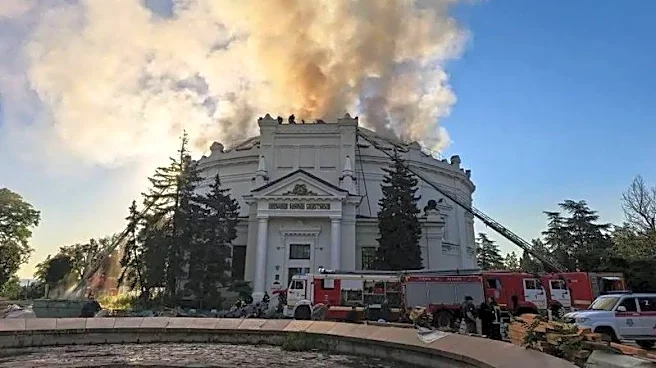
Ukrainian drones have launched attacks on several key Russian sites, including a historic museum in Sevastopol, Crimea, and oil refineries deep within Russian territory. The strikes have led to significant disruptions, including a blackout at the Mariupol
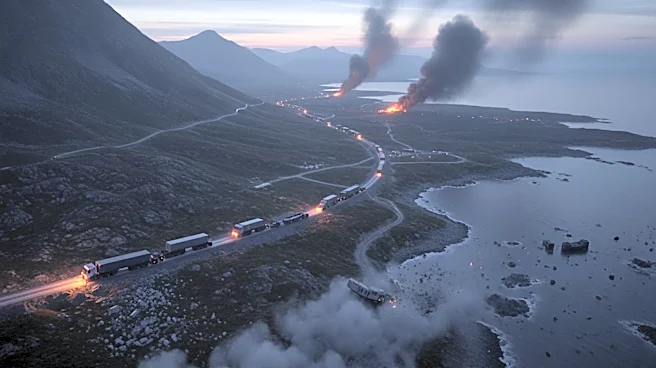
port and damage to energy and maintenance infrastructure. In response, Russian authorities have reduced nighttime train schedules and reported extensive damage to facilities, including a fire at the Kuibyshev oil refinery. The attacks are part of a broader Ukrainian strategy to weaken Russian logistical and military capabilities.
Why It's Important?
These drone strikes represent a significant escalation in the conflict, showcasing Ukraine's ability to target critical infrastructure within Russian-controlled areas. The attacks could lead to increased tensions and further military engagements, as they directly challenge Russia's control over annexed territories and its ability to sustain military operations. The disruption of oil refineries and logistical hubs could have broader economic implications, affecting fuel supplies and transportation networks in the region. This development underscores the ongoing volatility and complexity of the conflict, with potential repercussions for regional stability.
What's Next?
In the wake of these attacks, Russia may intensify its military response, potentially leading to further escalations in the conflict. Ukraine is likely to continue its strategy of targeting key infrastructure to weaken Russian capabilities. The international community will be watching closely, as these developments could influence diplomatic efforts and negotiations. Additionally, the attacks may prompt Russia to enhance its defensive measures and seek to secure its logistical routes and facilities against future strikes.