
What's Happening?
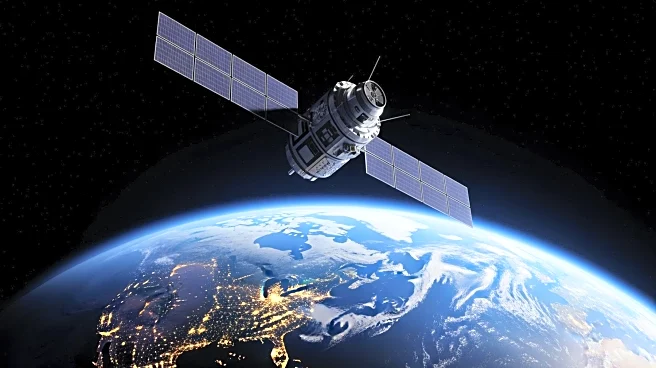
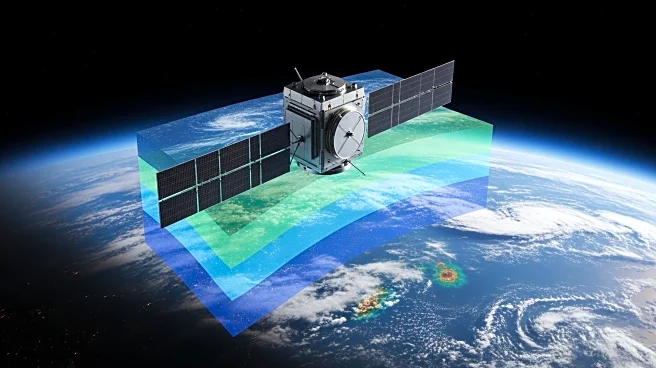
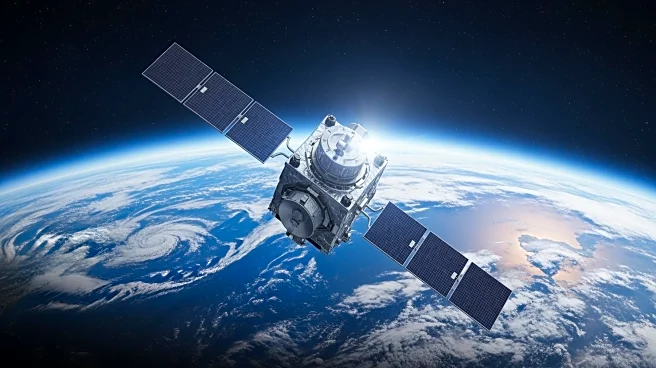
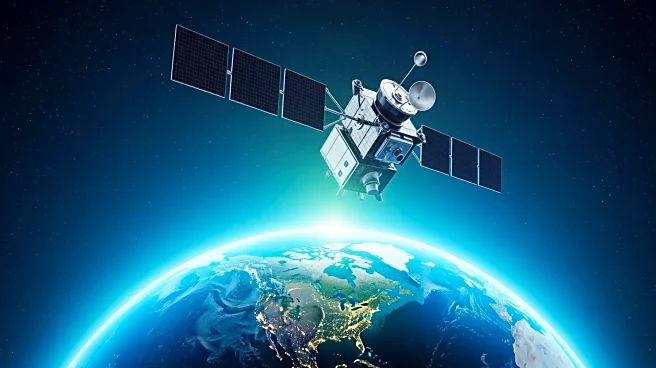
NASA, in collaboration with the European Space Agency (ESA), EUMETSAT, and NOAA, has released the first data from the Copernicus Sentinel-6/Jason-CS mission. This mission, which includes the Sentinel-6B
satellite, aims to provide critical data on sea level changes, wind speeds, wave heights, atmospheric temperature, and humidity. The data is crucial for refining atmospheric forecast models and planning safer re-entry for astronauts. The mission is part of the European Union's Earth Observation Programme and represents a significant international collaboration. The initial data, although preliminary, is promising and highlights the mission's potential to provide life-saving and economically empowering information to coastal communities.
Why It's Important?
The data from the Sentinel-6 mission is vital for understanding and responding to global sea level rise, which has doubled since the early 1990s. This information is crucial for coastal infrastructure planning, trade route management, and storm formation predictions. With a third of the world's population living along coastlines, the data can significantly impact economic and safety measures in these regions. The mission underscores the importance of international partnerships in advancing Earth science and addressing global challenges. The continuous dataset provided by Sentinel-6 is considered a gold standard, reflecting decades of investment in technology and expertise.
What's Next?
As Sentinel-6B continues to collect data, it will eventually take over as the official reference satellite for sea level measurements, a role currently held by its twin, Sentinel-6 Michael Freilich. This transition will ensure the continuity of critical sea level data. The mission's success may lead to further international collaborations in Earth observation, enhancing global understanding of climate change impacts. Stakeholders, including government agencies and coastal communities, will likely use this data to inform policy decisions and infrastructure investments.