







What's Happening?
Coventry Grammar School (CGS) has initiated the first phase of its new sensory and edible garden project, titled 'Growing Together: A Sensory, Educational and Edible School Garden.' The project began last spring when first-grade teacher Isabelle White
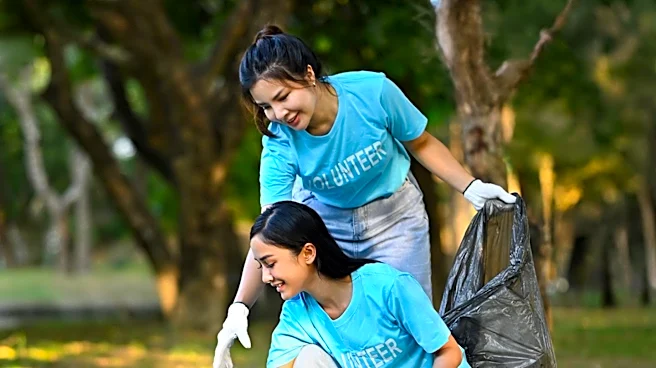
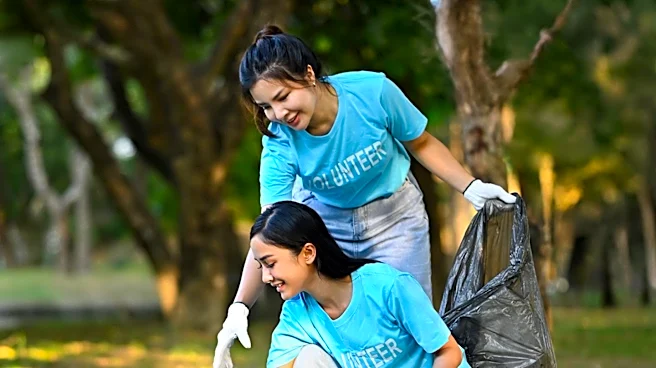
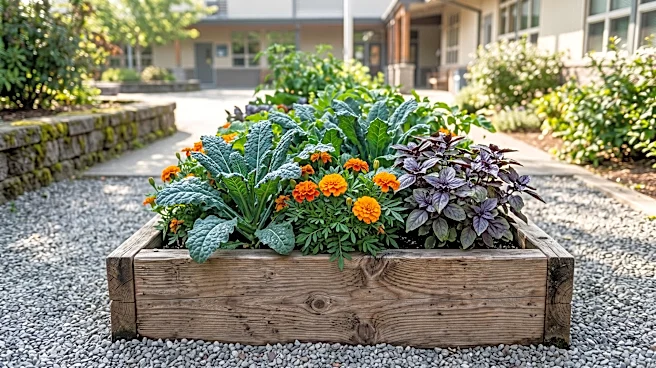
and reading teacher Erin Hazzard received a Coventry Public Schools Innovative Grant. The garden, located in the school courtyard, is designed to be an interactive, living outdoor classroom and a co-regulation area, allowing students to explore and connect with nature using all five senses. The school is utilizing a CT Grown for CT Kids grant to establish garden beds that will provide hands-on learning experiences in agriculture, nutrition, and food origins. Produce from the garden will be served in the school cafeteria, directly linking the gardening experience to students' healthy meals. Over 50 volunteers, including CGS staff, students, parents, high school volunteers, local farmers, and community members, participated in the initial construction phase.
Why It's Important?
This initiative is significant for several reasons. It provides CGS students with a unique, hands-on learning environment that extends beyond traditional classroom settings, fostering a deeper understanding of agriculture, nutrition, and the origins of their food. By integrating the garden's produce into school meals, the project directly promotes healthy eating habits and helps students make tangible connections between gardening and their daily diet. The strong community involvement, with over 50 volunteers, highlights the project's ability to unite various stakeholders—educators, students, parents, and local community members—around a common goal of environmental education and well-being. This collaborative spirit can strengthen community bonds and create a supportive network for the school. Furthermore, the project serves as a model for other educational institutions looking to implement similar experiential learning programs that emphasize sustainability and healthy living.
What's Next?
The next steps for the Coventry Grammar School project will likely involve the continued development and expansion of the garden beds, planting a variety of herbs, vegetables, and flowers suitable for a sensory and edible experience. The school will focus on integrating the garden into its curriculum, developing lesson plans that utilize the outdoor classroom for science, nutrition, and environmental studies. Ongoing community engagement will be crucial for maintaining the garden, with potential for regular volunteer days and educational workshops for students and families. The success of this initial phase may also lead to securing additional grants or funding to further enhance the garden's features, such as adding more diverse plant species, educational signage, or specialized sensory elements. The school cafeteria will begin incorporating the fresh produce into meals as it becomes available, reinforcing the farm-to-table concept for students.
Beyond the Headlines
Beyond its immediate educational benefits, the CGS sensory and edible garden project touches upon broader societal implications. It addresses the growing need for environmental literacy and sustainable practices among younger generations, equipping them with practical skills and an appreciation for nature. The sensory aspect of the garden can also play a crucial role in student well-being, offering a calming and engaging space for learning and emotional regulation, which is increasingly recognized as vital in educational settings. This initiative contributes to the broader 'farm-to-school' movement, which aims to connect schools with local food systems, promoting healthier eating, supporting local economies, and providing agricultural education. Such projects can foster a sense of stewardship for the environment and community, cultivating responsible and engaged citizens for the future.