




What's Happening?
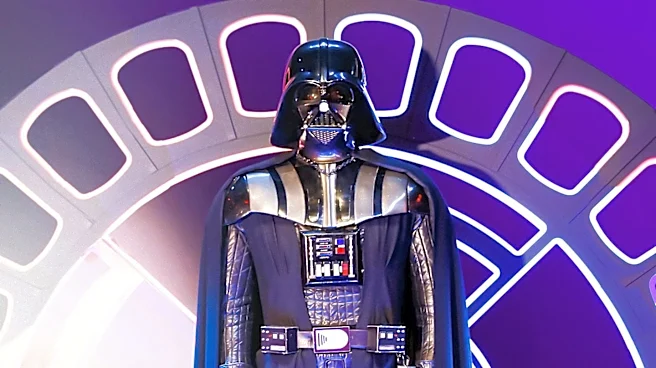
A man dressed as Darth Vader made a sarcastic appearance at a San Diego Public Safety and Livable Neighborhoods Committee meeting on August 19, delivering a satirical endorsement of the city's expanding Flock surveillance camera network. The individual,
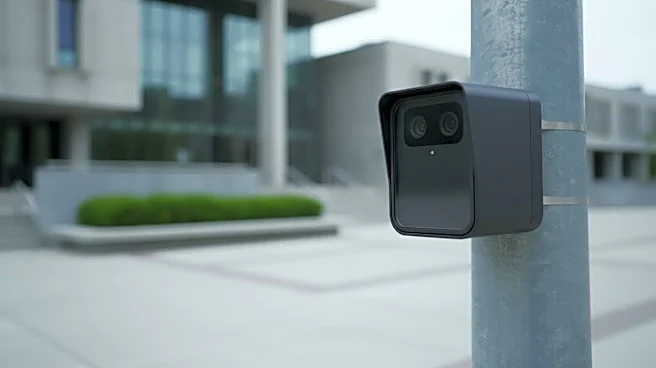
whose identity remains unknown, used the character to mock arguments for increased surveillance, urging council members to employ 'Jedi mind tricks' and 'double speaking' to convince the public of its benefits. Speaking in character, Vader praised the technology as 'a necessary, necessary force' that would help 'find Luke Skywalker' and 'surveil the rebel scum.' He also connected the surveillance to local issues, supporting a camping ban and suggesting funds be allocated to 'surveillance technology that imprisons' rather than libraries or homeless shelters. This stunt highlights the growing public pushback against Flock Safety's automated license plate reader cameras, which have faced scrutiny over privacy concerns and reported misuse by officers.
Why It's Important?
This incident underscores the escalating debate surrounding surveillance technology and civil liberties in the U.S. The use of a satirical character like Darth Vader at a public meeting reflects a creative and attention-grabbing method of protest against what many perceive as an overreach of government surveillance. The controversy around Flock Safety's cameras, which log the time and location of passing cars, has intensified due to reports of officers misusing the system to track individuals for personal reasons. While courts have largely upheld warrantless use of fixed license plate readers, critics argue that a searchable, nationwide database of movements constitutes a different level of privacy invasion. The San Diego event, coupled with instances of individuals damaging cameras in other cities, indicates a growing public distrust and resistance to these technologies, prompting the company to implement new safeguards like reduced data retention and stricter user protocols. This ongoing tension between public safety and individual privacy rights is a critical issue with significant legal and societal implications.
What's Next?
The debate over surveillance technology, particularly Flock cameras, is expected to continue in various forms. Legal challenges, such as the appeal in Schmidt v. City of Norfolk to the Fourth Circuit, will further shape the legal landscape regarding the Fourth Amendment and privacy rights in the context of automated license plate readers. Cities and counties will likely face ongoing pressure from both proponents of increased surveillance for public safety and civil liberties advocates. The implementation of new safeguards by Flock, such as reduced data retention and stricter user monitoring, will be watched closely to see if they effectively address concerns about misuse. Public demonstrations, similar to the Darth Vader appearance, and acts of protest, like the reported damage to cameras, may persist as citizens seek to voice their opposition. The varying state laws on surveillance technology suggest that a clear, national consensus or regulatory framework is still distant, leading to a patchwork of rules and continued localized conflicts.
Beyond the Headlines
The Darth Vader protest in San Diego symbolizes a deeper societal anxiety about the erosion of privacy in the digital age and the increasing integration of surveillance into everyday life. The use of a pop culture villain to critique surveillance highlights the perception that such technologies can lead to an authoritarian-like monitoring state, where individual movements are constantly tracked. This event also touches upon the ethical dilemma of balancing security with freedom, and how technological advancements can challenge established legal and social norms. The public's reaction, ranging from satirical protests to direct action against surveillance infrastructure, indicates a growing awareness and resistance to what is perceived as ubiquitous monitoring. This ongoing struggle will likely influence future policy decisions, technological development, and the broader conversation about the kind of society we wish to build—one that prioritizes either absolute security or individual liberty, or attempts to find a precarious balance between the two.