

What's Happening?
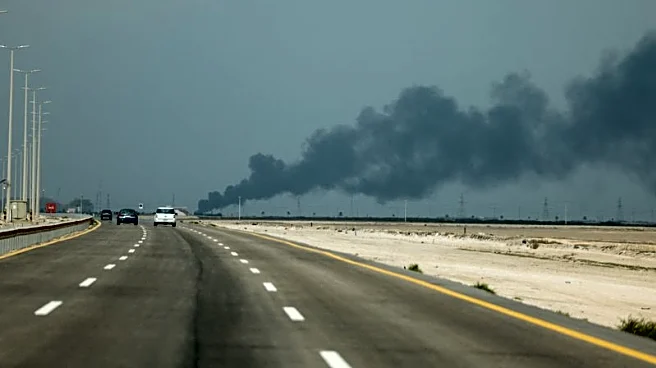
Iran's recent military actions have targeted Qatar's natural gas export facilities, leading to significant disruptions in helium production. Qatar, a major global supplier of helium, has been forced to halt production at its Ras Laffan facility due to the
attacks. This facility is crucial as it produces about 30% of the world's helium, a vital component in various high-tech industries, including semiconductor manufacturing, space exploration, and medical imaging. The conflict has resulted in a 14% reduction in Qatar's helium exports, with extensive damage reported that could take years to repair. The shortage is expected to impact industries reliant on helium, as spot prices have already doubled since the crisis began.
Why It's Important?
The disruption in helium supply from Qatar poses a significant threat to global technology supply chains. Helium is essential for cooling processes in semiconductor manufacturing, which is critical for producing advanced chips used in artificial intelligence and other technologies. The shortage could lead to increased production costs and potential delays in the tech industry, affecting companies worldwide. Additionally, the medical and space industries, which rely on helium for MRI machines and rocket fuel tank purging, respectively, may face challenges in maintaining operations. The situation underscores the vulnerability of global supply chains to geopolitical conflicts and the importance of diversifying sources for critical materials.
What's Next?
As the conflict continues, industries dependent on helium are likely to seek alternative sources to mitigate the impact of the shortage. Major semiconductor manufacturers, particularly in Asia, may accelerate efforts to secure helium from other suppliers or explore technological innovations to reduce dependency on helium. The helium industry may prioritize allocations to critical sectors like chipmaking and healthcare to minimize disruptions. Meanwhile, geopolitical tensions in the region could lead to further instability in energy and resource markets, prompting governments and companies to reassess their supply chain strategies.
Beyond the Headlines
The helium shortage highlights broader issues of resource dependency and the need for resilient supply chains. It raises questions about the sustainability of current production methods and the potential for developing alternative technologies or materials. The situation also reflects the interconnectedness of global industries and the cascading effects that regional conflicts can have on international markets. As industries adapt to these challenges, there may be increased investment in research and development to find substitutes for helium or improve efficiency in its use.