







What's Happening?
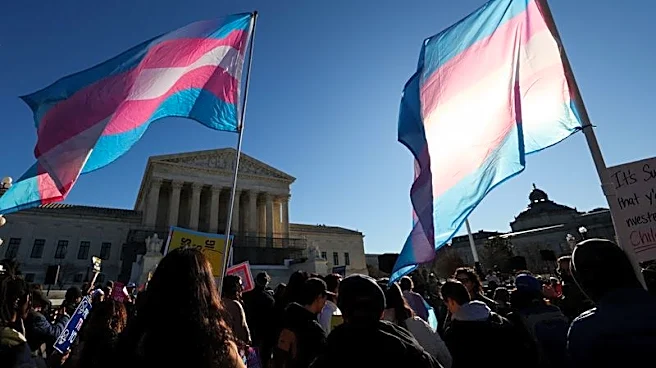
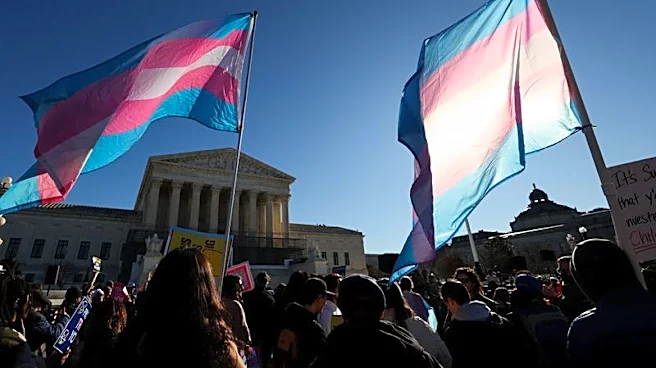
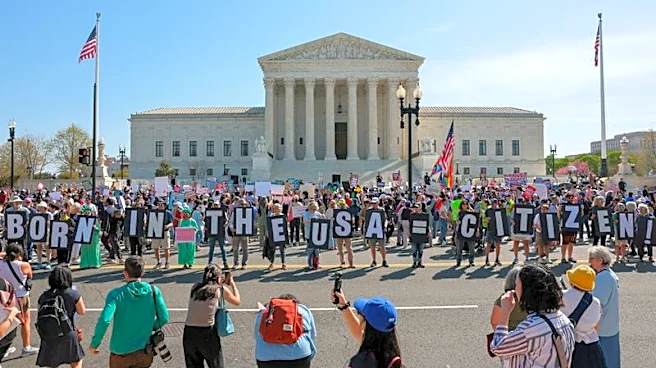
The U.S. Supreme Court has issued rulings on two significant cases, maintaining birthright citizenship and allowing states to ban transgender athletes from women's sports. The court's 6-3 decision supports state laws that restrict transgender women from participating
in female sports teams, while also rejecting President Trump's attempt to end birthright citizenship. These rulings reflect ongoing debates over gender identity in sports and immigration rights, highlighting the court's influence on contentious social issues.
Why It's Important?
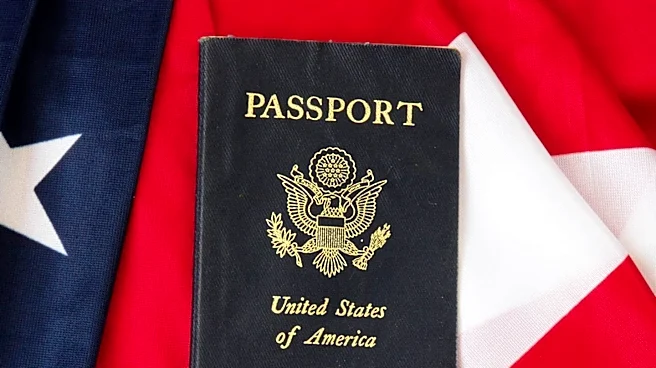
These rulings have far-reaching implications for civil rights and social policies in the U.S. The decision to allow transgender bans in sports could lead to increased state-level legislation affecting transgender athletes' participation, potentially impacting their rights and inclusion. Upholding birthright citizenship preserves a long-standing principle of U.S. immigration law, ensuring that children born in the U.S. to non-citizen parents retain their citizenship. These outcomes will shape future legal and political discussions on gender and immigration rights.
What's Next?
States may pursue further legislation to regulate transgender participation in sports, potentially leading to additional legal challenges. Advocacy groups are likely to continue their efforts to protect transgender rights and challenge restrictive laws. The preservation of birthright citizenship may prompt further debates on immigration policy, with potential legislative efforts to address related issues. Stakeholders, including civil rights organizations and policymakers, will play key roles in shaping the discourse and legal landscape.