






What's Happening?
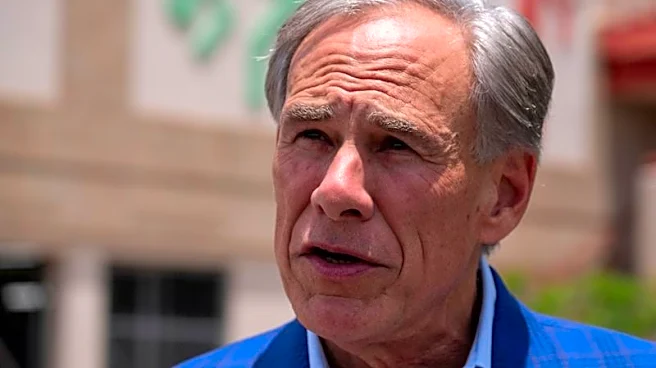
Minnesota Attorney General Keith Ellison has filed a lawsuit against Texas Governor Greg Abbott to compel the extradition of Immigration and Customs Enforcement (ICE) agent Christian Castro. Castro is accused of assault and falsely reporting a crime in connection
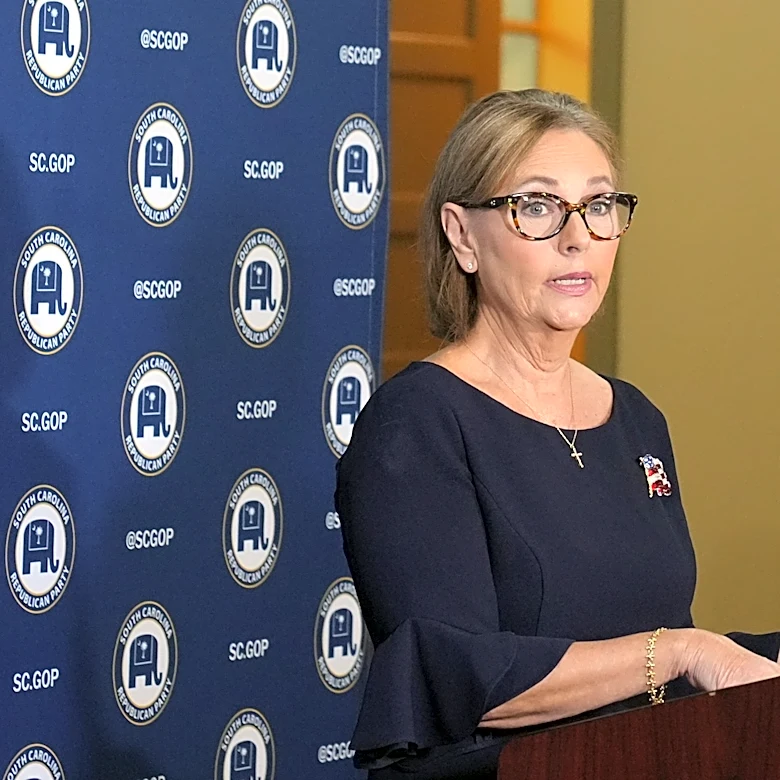
with the nonfatal shooting of Julio Cesar Sosa-Celis in Minneapolis in January. Ellison is seeking a temporary restraining order to prevent the Cameron County Sheriff’s Office in Texas from releasing Castro, as Texas law imposes a 90-day limit on the detention of fugitives awaiting extradition, which could lead to Castro's release as early as August 26. Hennepin County Attorney Mary Moriarty stated that this legal action should be unnecessary, as extradition requests are typically administrative and non-controversial. She noted that Texas has extradited three other criminal defendants to Minnesota without incident since Castro's arrest. Ellison emphasized that Castro must face justice in Minnesota and that Governor Abbott is legally required to grant the extradition request.
Why It's Important?
This lawsuit highlights a significant inter-state legal conflict regarding the extradition process and the accountability of federal agents. The refusal by Governor Abbott to extradite an ICE agent, despite charges of assault and falsely reporting a crime, raises questions about the principle of equal justice under the law and the potential for political interference in legal proceedings. If Castro is released due to the 90-day limit, it could set a precedent that allows individuals accused of crimes to evade justice by crossing state lines, particularly if a governor chooses not to cooperate with extradition requests. This situation also underscores the tensions between state and federal authorities, especially concerning immigration enforcement and the conduct of federal agents. The outcome of this lawsuit could influence future extradition procedures and the legal recourse available to states when federal agents are accused of crimes within their jurisdiction.
What's Next?
Attorney General Ellison will pursue a temporary restraining order to prevent Christian Castro's release from detention in Texas. The lawsuit aims to compel Governor Abbott to sign the extradition warrant, allowing Minnesota law enforcement to take custody of Castro. The legal proceedings will determine whether Governor Abbott can be legally compelled to honor the extradition request. If the court rules in favor of Minnesota, Castro will be transferred to Minnesota to stand trial for the charges against him. Conversely, if the lawsuit is unsuccessful, Castro could be released from Texas custody, potentially allowing him to flee the country, as suggested by Ellison and Moriarty, who consider him a flight risk. This case could also lead to further legal and political discussions regarding the administrative nature of extradition requests and the responsibilities of state governors in such matters.
Beyond the Headlines
The dispute over Christian Castro's extradition delves into deeper constitutional and legal principles concerning state sovereignty, federal authority, and the administration of justice. The assertion by Minnesota officials that extradition requests are typically administrative and non-controversial suggests a breakdown in established inter-state cooperation. Governor Abbott's apparent refusal to comply, despite previous extraditions from Texas to Minnesota, could be interpreted as a political stance, potentially politicizing a legal process designed to ensure accountability. This situation could exacerbate existing political divisions between states and between state and federal governments, particularly on issues related to immigration and law enforcement. The case also brings to light the challenges of holding federal agents accountable for actions taken while on duty, especially when those actions lead to criminal charges. The outcome may influence how future cases involving federal agents accused of crimes are handled across state lines, potentially leading to calls for clearer guidelines or federal intervention in such disputes.