


What's Happening?
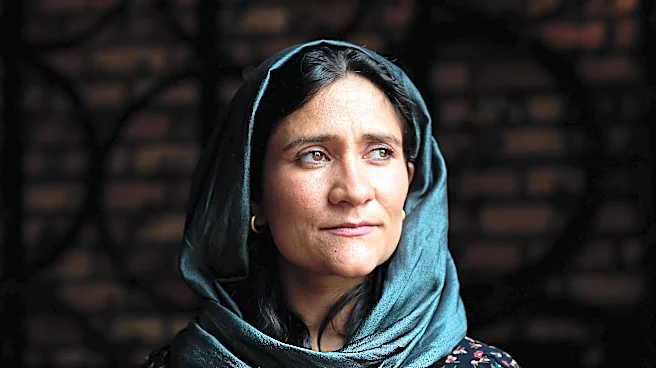
Save the Children has reported a significant deterioration in the conditions faced by women and girls in Afghanistan. The organization, which has been active in the country since 1976, highlights increasing restrictions, widespread poverty, and limited
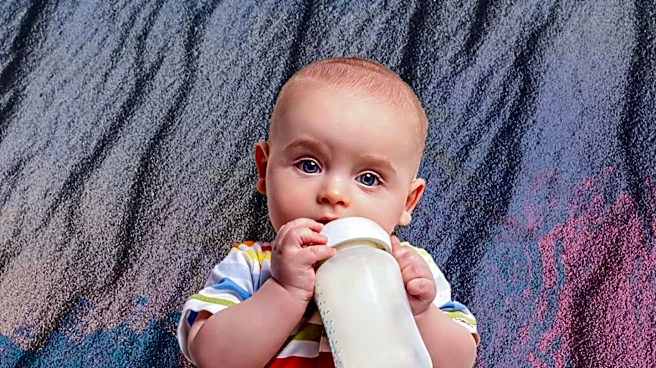
access to education and essential services. This crisis is attributed to years of conflict, economic struggles, the COVID-19 pandemic, and a growing hunger crisis. Since the Taliban's return to power in August 2021, restrictions on women and girls have intensified, severely limiting their access to education and employment opportunities. The healthcare system is also struggling, leaving pregnant women, new mothers, and newborns with inadequate medical care. Save the Children estimates that two babies are born every minute in Afghanistan, with hundreds of thousands of infants and mothers facing difficulties in accessing health services. Economic hardship has also led to an increase in child labor and early marriages, with approximately one-fifth of Afghan families reportedly sending children to work due to falling household incomes, affecting about 1 million children.
Why It's Important?
The worsening situation for Afghan women and girls has profound implications for the country's future stability and development. The denial of education and employment opportunities for women and girls not only violates fundamental human rights but also severely hampers Afghanistan's potential for economic and social progress. A struggling healthcare system, particularly for mothers and infants, contributes to high mortality rates and long-term health issues, perpetuating a cycle of poverty and vulnerability. The rise in child labor and early marriages deprives children of their childhood, education, and future prospects, leading to a generation that may lack the skills and health necessary to contribute meaningfully to society. This crisis underscores the urgent need for international attention and humanitarian aid to prevent further suffering and to advocate for policies that protect the rights and well-being of women and children in Afghanistan. The long-term consequences of these restrictions could lead to a significant setback in human development indicators for the country.
What's Next?
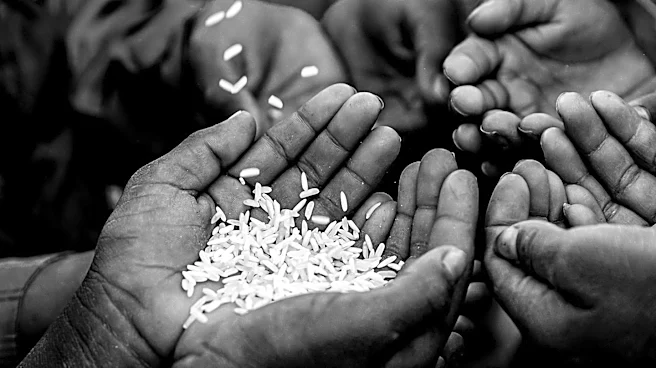
Save the Children is continuing to provide vulnerable families with cash assistance, winter supplies, and education and child-protection programs. These efforts aim to mitigate the immediate impacts of the crisis and help families avoid harmful coping strategies such as child labor, early marriage, and reduced meals. The organization is also advocating for broader access to secondary and higher education for girls, noting that while some girls have regained access in certain provinces, widespread access remains a critical need. The international community's response will be crucial in determining the future trajectory of these issues. Continued humanitarian support, diplomatic pressure, and advocacy for human rights, particularly for women and girls, will be essential to address the ongoing challenges and prevent further deterioration of the situation in Afghanistan. The effectiveness of these interventions will depend on sustained engagement and the ability to navigate the complex political landscape.
Beyond the Headlines
The crisis in Afghanistan extends beyond immediate humanitarian concerns, touching upon deep-seated ethical and cultural dimensions. The systematic exclusion of women and girls from public life and education represents a significant challenge to universal human rights principles and international development goals. This situation could lead to a lost generation of women who are unable to contribute their talents and skills to society, further entrenching poverty and limiting social mobility. The long-term impact on the mental health and well-being of women and girls, who face restricted freedoms and limited opportunities, is also a critical, though often less visible, consequence. Furthermore, the reliance on child labor and early marriage highlights the desperate measures families are forced to take, raising questions about the resilience of traditional social structures under extreme duress and the ethical responsibilities of the global community to protect vulnerable populations. The situation underscores the complex interplay between conflict, governance, and human development.