






What's Happening?
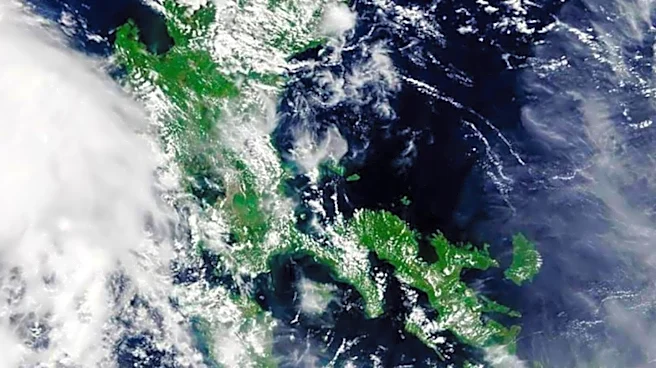
One year after a significant wastewater spill from an ethanol plant on the Philippine island of Negros, communities in Bais Bay continue to grapple with ecological and economic devastation. On October 26, 2025, an embankment holding waste effluent from Universal
Robina Corporation’s (URC) ethanol distillery collapsed, releasing 255 million liters of toxic wastewater into the bay. This spill, equivalent to about 100 Olympic-sized swimming pools, spread across 17 coastal villages, killing fish and other marine life. Scientists observed that nine months post-spill, nearly 70% of coral in affected areas of Bais Bay were dead, and seagrass beds in northern parts of the bay were deteriorating. Residents report that their livelihoods, heavily dependent on fishing and seaweed farming, have been severely impacted, and they have received minimal support from the company responsible. Locals also question the company's and authorities' preparedness for heavy rains, a common occurrence in the Philippines, which URC cited as a contributing factor to the spill.
Why It's Important?
The ongoing crisis in Bais Bay highlights critical issues concerning corporate accountability, environmental protection, and the resilience of coastal communities in the face of industrial pollution. The lack of resolution for affected residents and the slow pace of environmental recovery underscore systemic challenges in enforcing environmental regulations and providing timely compensation for damages. The incident also reveals a pattern of neglect, with similar spills and environmental issues linked to the URC distillery dating back to 2015. This situation impacts not only the immediate livelihoods of thousands of fishers and seaweed growers but also poses a significant threat to food security, as Bais Bay is a vital source of seafood. The ecological damage to the Tañon Strait Protected Seascape, the largest marine protected area in the Philippines, has long-term implications for biodiversity and marine ecosystems.
What's Next?
Affected communities, organized under the Fisherfolk Association of Manjuyod-Bais (FAMB), are preparing to file a writ of kalikasan, a legal remedy to invoke their constitutional right to a healthy environment. This legal action, supported by civil society organizations, aims to hold URC accountable and push for comprehensive rehabilitation of the bay. While URC stated in its 2025 Sustainability Report that it addressed the matter with corrective actions, residents like Jonalyn Rentuaya and Biboy Vergara dispute this, noting that their situation remains far from normal and that proposed rehabilitation plans have not materialized. The outcome of the legal proceedings and the effectiveness of future rehabilitation efforts will be crucial in determining the long-term recovery of Bais Bay and its communities. The incident also puts pressure on government agencies to strengthen oversight and enforcement of environmental laws.
Beyond the Headlines
This event transcends a simple industrial accident, revealing deeper ethical and governance issues. The disparity in how small-scale fishers are penalized for minor infractions versus the perceived leniency towards large corporations causing extensive environmental damage raises questions about environmental justice and equitable application of the law. The decline in community membership among seaweed growers, with many seeking employment elsewhere, illustrates the social fabric's erosion and the displacement caused by environmental disasters. The case also underscores the importance of robust disaster preparedness and climate resilience strategies, especially in regions prone to extreme weather events. The ongoing struggle of the Bais Bay communities serves as a stark reminder of the interconnectedness of environmental health, economic stability, and social well-being, urging a re-evaluation of industrial practices and regulatory frameworks.