




What's Happening?
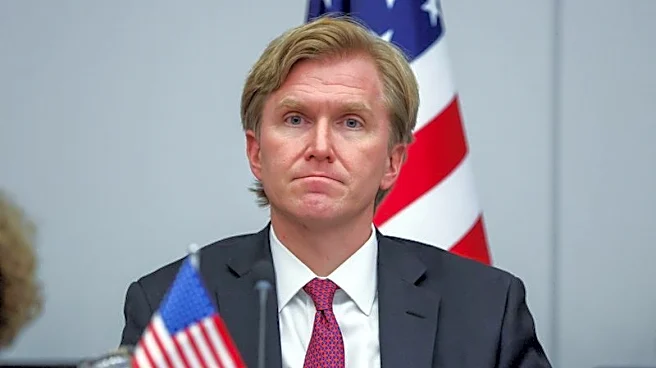
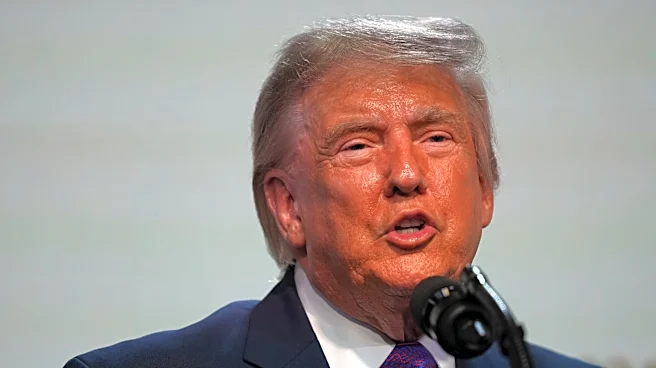
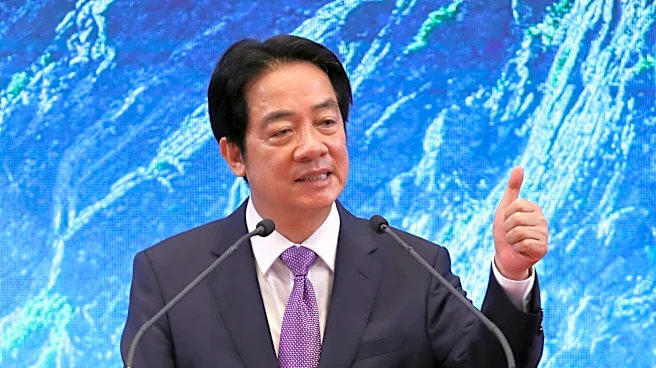
Taiwan has not been informed of any halt in a planned $14 billion U.S. arms sale, despite comments from acting U.S. Navy Secretary Hung Cao about delays due to the Iran conflict. The U.S. is prioritizing munitions for its operations in Iran, temporarily
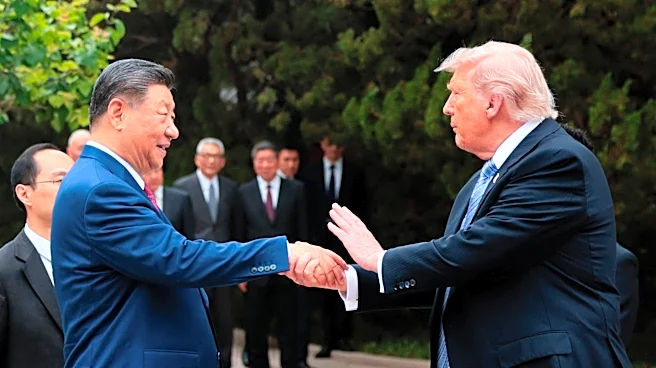
pausing some foreign military sales. President Trump recently expressed doubts about continuing arms sales to Taiwan, which China claims as its territory. The U.S. remains Taiwan's primary arms supplier, and any changes in this relationship could impact regional security dynamics.
Why It's Important?
The potential pause in arms sales to Taiwan highlights the complex geopolitical dynamics involving the U.S., China, and Taiwan. As the U.S. balances its military commitments, any reduction in support for Taiwan could embolden China, which views Taiwan as a breakaway province. This situation underscores the delicate balance the U.S. must maintain in its foreign policy, ensuring it supports allies like Taiwan while managing other international conflicts. The arms sale is also a significant factor in U.S.-China relations, with potential implications for diplomatic and military strategies in the region.
What's Next?
The U.S. administration may need to clarify its position on arms sales to Taiwan, especially as tensions with China persist. Any decision to resume or permanently halt the sales will likely influence U.S.-China relations and Taiwan's defense strategy. Taiwan may seek reassurances from the U.S. or explore alternative defense partnerships. Meanwhile, China is expected to continue its opposition to U.S. arms sales to Taiwan, potentially leading to further diplomatic tensions.