
What's Happening?
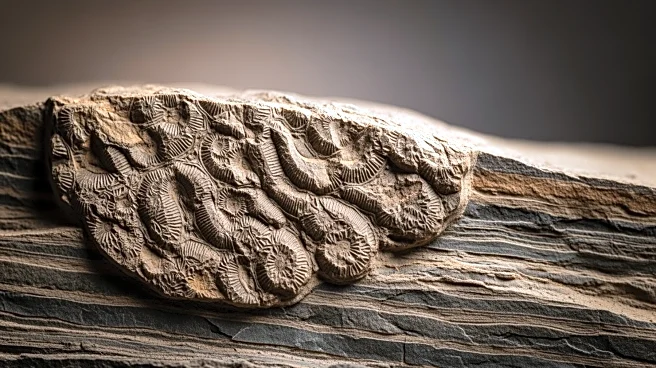
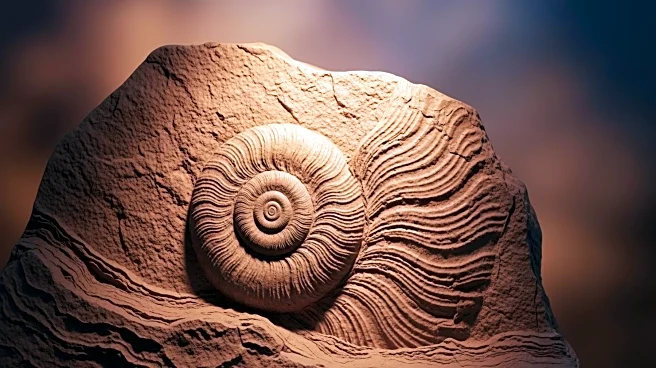
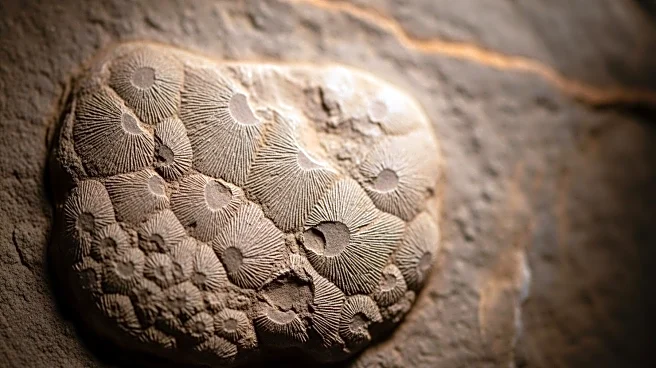
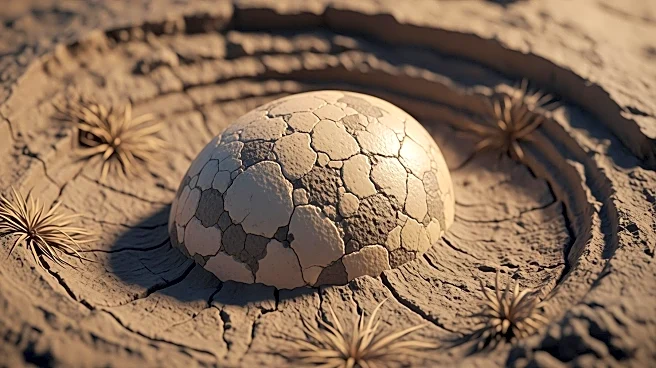
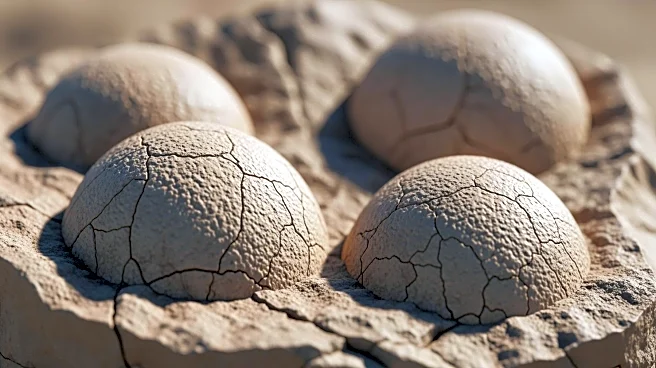
A recent study has challenged long-standing beliefs about ancient fossils from the Weng’an Biota in Southern China. Previously thought to be early animal embryos, these fossils have been reclassified as belonging to a different class of multicellular
organisms. This discovery was made possible through advanced imaging techniques, specifically synchrotron tomography, which allowed researchers to create detailed 3D models of the fossils. The study, led by Kirsten Flett and her team from the University of Bristol and the Chinese Academy of Sciences, found that the cell division patterns in these fossils did not match those of known animal embryos. This finding suggests that the emergence of animal life occurred later than previously believed, prompting a reevaluation of the timeline for the rise of complex life forms over 600 million years ago.
Why It's Important?
The implications of this study are significant for our understanding of evolutionary history. The Weng’an fossils were once considered key evidence of early animal diversity during the Ediacaran period. However, the new findings suggest that animal diversification happened after the deposition of these fossils. This challenges the previous timeline and understanding of when complex life forms began to emerge on Earth. The study not only reshapes the narrative of early animal evolution but also opens new avenues for research into the origins of life. By identifying these fossils as belonging to a different class of organisms, scientists can better understand the diversity and complexity of ancient life, potentially leading to new insights into the evolutionary processes that led to the development of modern animals.
What's Next?
Following this groundbreaking study, further research is planned to continue exploring the origins of early life. Kirsten Flett and her team are working on a comparative analysis between the Weng’an specimens and other known animal embryos from China. This research aims to identify similarities and differences in preservation, which could provide additional insights into the evolutionary history of life on Earth. As more studies are conducted, the scientific community anticipates refining the timeline of animal evolution and gaining a deeper understanding of the conditions that led to the emergence of complex life forms.