







What's Happening?
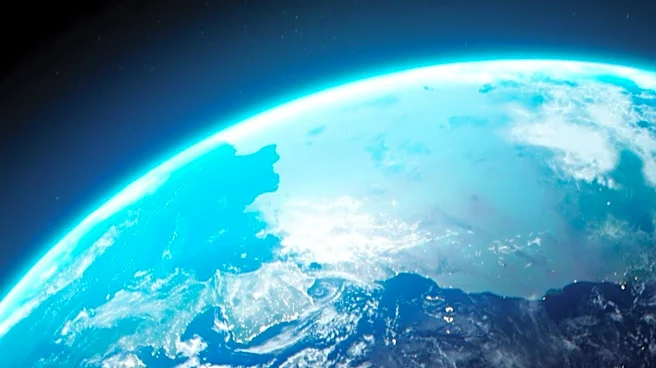
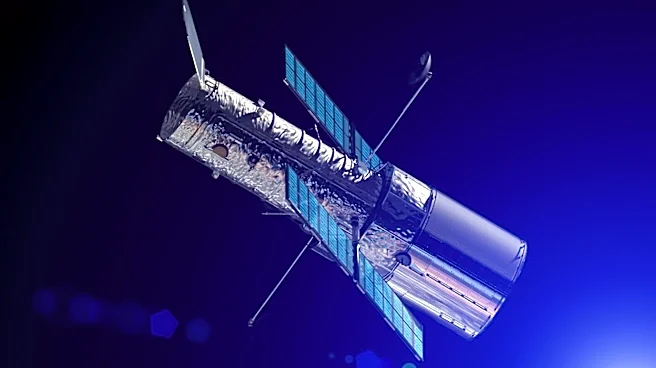
Researchers have proposed an innovative solution to protect Earth from the damaging effects of solar storms by deploying a giant 'airbag' in space. This concept, known as the StormWall, involves launching a constellation of satellites that would release
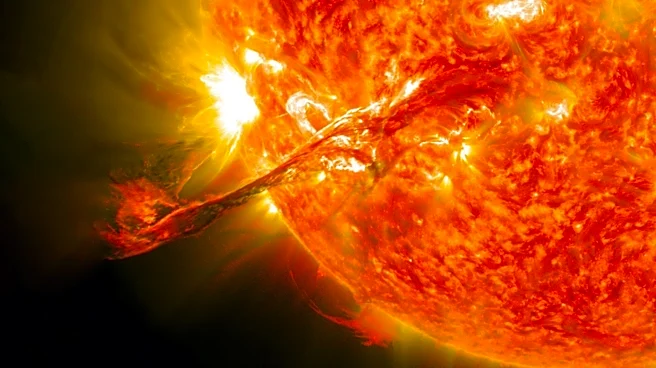
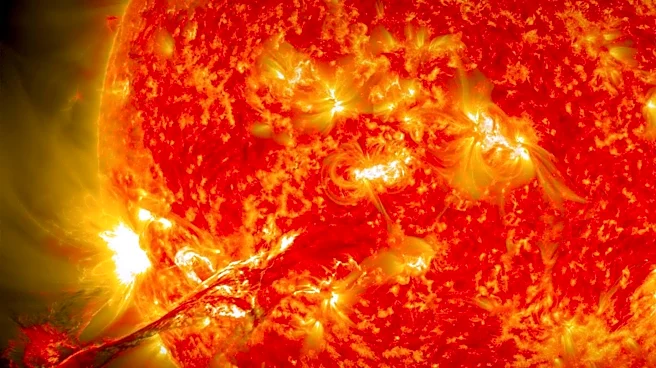
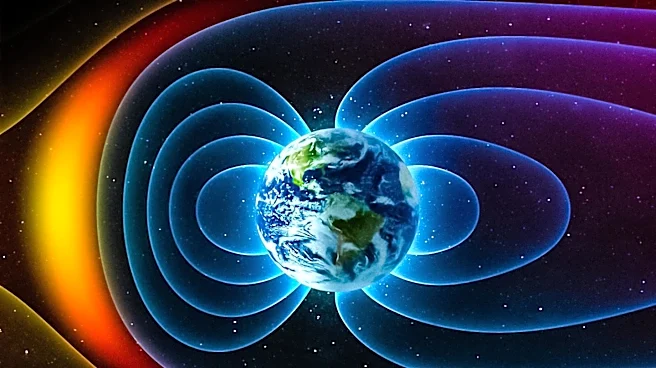
reactive gases to form a plasma barrier, reducing the impact of solar storms. The idea was developed in response to the increased frequency of geomagnetic storms during the solar maximum, the most active phase of the sun's 11-year cycle. These storms, caused by solar flares and coronal mass ejections (CMEs), can lead to power grid failures and communication disruptions. Simulations suggest that the StormWall could reduce the intensity of such storms by up to 84%, potentially preventing trillions of dollars in damage.
Why It's Important?
The proposal to deploy a space-based defense system against solar storms is significant due to the potential economic and infrastructural impacts of these natural phenomena. Solar storms can disrupt power grids, communication networks, and satellite operations, posing a threat to modern technology-dependent societies. By mitigating the effects of these storms, the StormWall could safeguard critical infrastructure and reduce the risk of widespread outages. The project, however, faces challenges, including the high cost of deploying and maintaining the satellites, which could amount to billions of dollars. Despite these hurdles, the potential to prevent catastrophic damage makes the proposal a compelling consideration for future space weather defense strategies.
What's Next?
The next steps for the StormWall project involve addressing the financial and logistical challenges of deploying the satellite system. Researchers need to secure funding and develop a detailed plan for launching and maintaining the satellites. Additionally, further simulations and studies are required to refine the technology and ensure its effectiveness. Stakeholders, including government agencies and private sector partners, may need to collaborate to bring this ambitious project to fruition. As the threat of a major solar storm looms, the urgency to develop and implement such protective measures will likely increase.