


What's Happening?
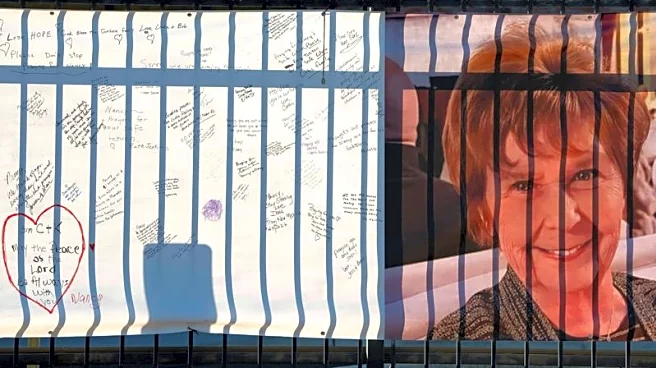
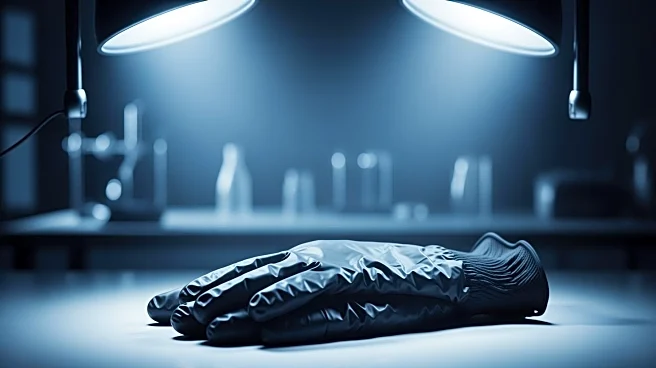
In a recent development in the investigation surrounding Nancy Guthrie's Arizona home, Pima County Sheriff Chris Nanos announced that DNA found on gloves located two miles from Guthrie's residence does not match any profiles in the national database.
Additionally, this DNA does not correspond with any samples collected from Guthrie's home. This revelation adds complexity to the ongoing investigation, as authorities continue to search for leads in the case. The gloves were initially considered a potential breakthrough, but the lack of a match has left investigators exploring other avenues to solve the case.
Why It's Important?
The absence of a DNA match in this high-profile case underscores the challenges law enforcement faces in solving complex investigations. The inability to link the DNA to known individuals may delay justice and prolong the uncertainty for those involved. This situation highlights the limitations of current forensic databases and the need for continued advancements in forensic technology. The case also draws attention to the broader issue of unsolved crimes and the importance of comprehensive investigative strategies. The outcome of this investigation could have implications for future cases, influencing how evidence is collected and analyzed.
What's Next?
With the DNA evidence leading to a dead end, investigators will likely refocus their efforts on other aspects of the case. This may include re-examining witness statements, reviewing surveillance footage, and exploring alternative forensic methods. The investigation's progress will depend on the ability of law enforcement to uncover new leads or evidence. Public cooperation and potential new information could play a crucial role in advancing the case. Authorities may also consider expanding their search parameters or employing new technologies to aid in the investigation.