



What's Happening?
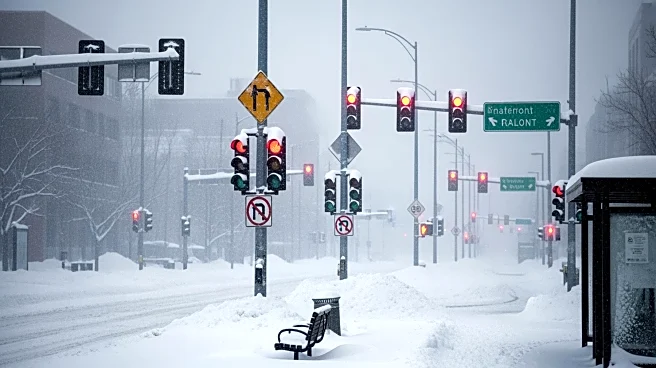
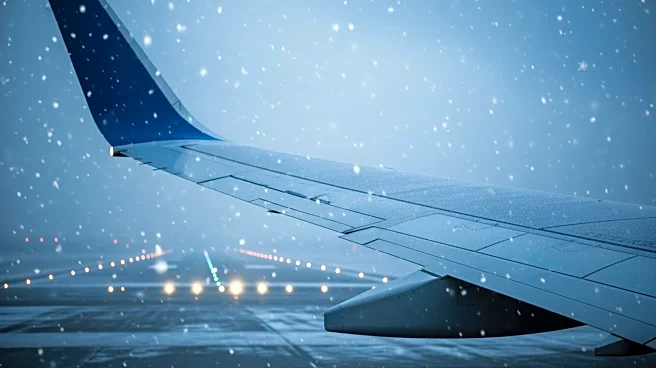
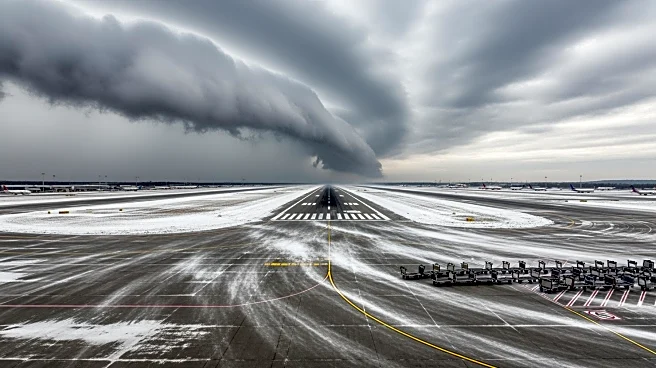
A severe winter storm, known as a nor'easter, has led to the cancellation of over 8,000 flights across the United States, primarily affecting the Northeast region. As of February 22, 2026, more than 3,300 flights were canceled on Sunday, with an additional
5,000 flights delayed. Airlines have proactively canceled over 4,800 flights scheduled for Monday, February 23, in anticipation of the storm's impact. The storm is expected to bring up to 20 inches of snow in certain areas, prompting airlines to issue travel waivers to help customers avoid disruptions. These waivers generally allow travelers to rebook without penalty or receive flight credit if they choose to cancel their trips. Airlines are also preparing to manage the aftermath of the storm, which may include further cancellations as they work to reposition aircraft and crews.
Why It's Important?
The widespread flight cancellations due to the nor'easter highlight the vulnerability of air travel to severe weather conditions, particularly in the densely populated Northeast corridor. This disruption affects not only passengers but also the broader economy, as delays and cancellations can lead to significant financial losses for airlines and related industries. Travelers are advised to stay informed about their flight status and explore rebooking options early to secure alternative travel arrangements. The situation underscores the importance of robust contingency planning by airlines to minimize the impact of weather-related disruptions on their operations and customer service.
What's Next?
As the storm progresses, airlines will continue to monitor weather conditions and adjust their schedules accordingly. Passengers should expect potential delays and cancellations even after the storm passes, as airlines work to restore normal operations. Travelers are encouraged to use self-service tools provided by airlines to manage their bookings and avoid long wait times at airports. The Department of Transportation's Airline Customer Service Dashboard offers additional information on passenger rights and airline-specific policies, which can be useful for those affected by the disruptions.