



What's Happening?
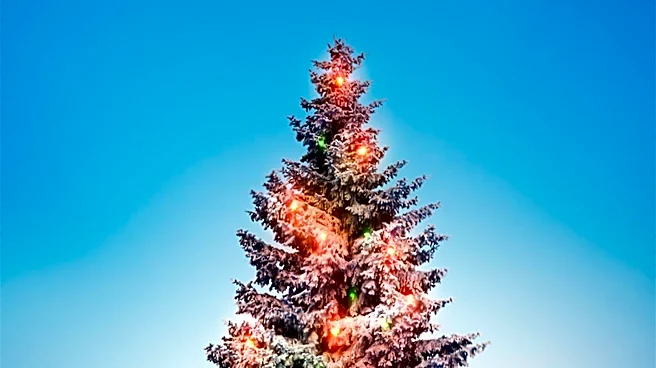
The Shasta-Trinity National Forest Service has announced the availability of Christmas tree permits, allowing individuals to select and cut their own live Christmas trees. These permits cost $10 and are valid from the date of purchase until December 31,
2026. Each household is limited to one tree per permit. Purchasers must adhere to permit maps to ensure cutting occurs within the National Forest boundaries and not on private land. Certain areas of the forest are closed, and visitors are advised to check the Forest Alerts page for current closure information before planning their trip. Permits can be acquired online through Recreation.gov, which includes a $2.50 service fee, or in person at various retail locations and Forest Service offices without an additional fee. Fourth-grade students are eligible for a free permit through the Every Kid Outdoors program, though a $2.50 service fee still applies for online acquisition.
Why It's Important?
This initiative by the Shasta-Trinity National Forest provides a traditional and accessible way for families to obtain Christmas trees, fostering a connection with national forests. The extended validity of the permits until 2026, as noted by a commenter, raises questions about the long-term planning or potential administrative efficiencies behind such a duration. While offering a recreational opportunity, the program also serves to manage forest resources by allowing controlled tree removal, which can be part of forest health strategies. The availability of permits through both online and local retail channels, alongside free permits for fourth-graders, aims to maximize participation and accessibility. The revenue generated from these permits contributes to the management and conservation efforts of the National Forest, supporting its broader mission of connecting people to nature and recreation.
What's Next?
The Shasta-Trinity National Forest will continue to issue these permits, with the current batch valid for an extended period until the end of 2026. Visitors planning to cut a tree are encouraged to secure their permits and review all associated guidelines, including maps and closure areas, well in advance of their trip. The Forest Service will likely monitor the program's effectiveness and public participation over the coming years. The long-term validity of the permits suggests a streamlined process, potentially reducing the administrative burden of annual renewals. Future communications from the Forest Service will likely focus on reminding the public about permit availability and any updates to forest conditions or regulations.
Beyond the Headlines
The practice of issuing permits for Christmas tree cutting in national forests reflects a broader philosophy of sustainable resource management and public engagement with natural landscapes. It allows for a controlled harvest that can sometimes benefit forest ecosystems by thinning certain areas. The program also highlights the balance between conservation and recreational use of public lands. The involvement of the Every Kid Outdoors program underscores an effort to instill environmental stewardship in younger generations by providing direct, hands-on experiences in nature. The logistical challenge of managing such a program across vast forest areas, while ensuring compliance and safety, points to the complex administrative tasks undertaken by the Forest Service to maintain these vital national resources.