








What's Happening?
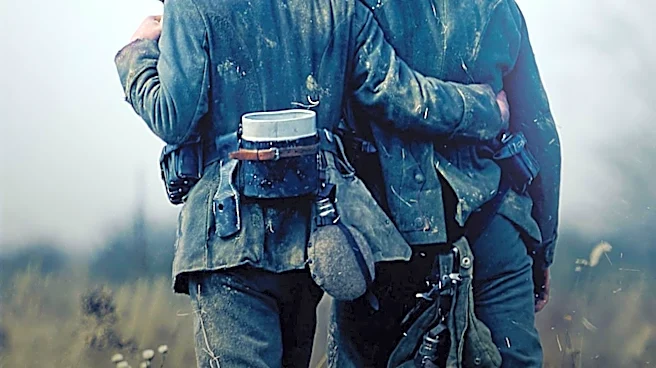
The 442nd Regimental Combat Team, composed predominantly of Japanese American soldiers, became one of the most decorated units in U.S. military history during World War II. Despite facing intense prejudice and discrimination, including internment of Japanese Americans
following the attack on Pearl Harbor, these soldiers demonstrated exceptional bravery and loyalty. The unit, known as the 'Purple Heart Battalion' due to its high number of casualties, was involved in significant battles in Europe, including the rescue of the 'Lost Battalion' in the Vosges Forest. Their efforts earned them nearly 9,500 Purple Hearts, 4,000 Bronze Stars, 560 Silver Stars, and seven Distinguished Unit Citations. In 2000, President Bill Clinton awarded 21 Medals of Honor to Japanese Americans, recognizing their valor and service.
Why It's Important?
The story of the 442nd Regimental Combat Team highlights the complex interplay between patriotism and prejudice in American history. Despite being subjected to internment and discrimination, these soldiers fought valiantly for a country that questioned their loyalty. Their achievements challenge narratives of loyalty and identity, showcasing the contributions of minority groups to national defense. The recognition of their service, including the awarding of Medals of Honor, serves as a powerful reminder of the need for inclusivity and the acknowledgment of diverse contributions to the nation's history. This narrative is crucial in understanding the broader context of civil rights and the ongoing struggle against racial discrimination.
What's Next?
The legacy of the 442nd Regimental Combat Team continues to influence discussions on race, identity, and military service in the United States. Their story is often cited in debates about immigration, citizenship, and the treatment of minority groups. As the nation grapples with issues of racial equality and justice, the experiences of these soldiers provide valuable lessons on resilience and the importance of recognizing the contributions of all Americans, regardless of their background. Future commemorations and educational initiatives may further explore their impact, ensuring that their sacrifices are remembered and honored.
Beyond the Headlines
The experiences of the 442nd Regimental Combat Team raise important ethical questions about loyalty, identity, and the treatment of minority groups during wartime. Their story underscores the moral complexities faced by individuals who serve a nation that discriminates against them. It also highlights the broader cultural shifts towards recognizing and valuing diversity within the military and society. The unit's history serves as a testament to the enduring spirit of those who fight for justice and equality, offering a poignant reflection on the progress made and the challenges that remain in achieving true inclusivity.