
What's Happening?
The FBI has successfully disrupted infrastructure used by North Korean hackers in a global cryptocurrency theft scheme known as 'FaceStealer.' According to Jeremy Robertson, special agent in charge of
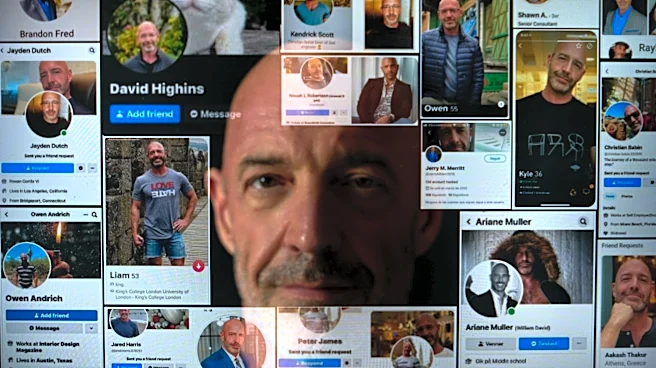
Cyber and Counterintelligence at FBI Los Angeles, this sophisticated social engineering operation has resulted in over $400 million in thefts and the impersonation of more than 900 victims within the crypto and Web3 industries over the past 18 months. The scheme involves hackers impersonating individuals known to the targets, often by hijacking Telegram or LinkedIn accounts to establish legitimacy. Victims are then lured into fake Zoom or Microsoft Teams meetings, where their webcams are secretly recorded. During these meetings, the impersonator claims audio issues and prompts the victim to download a fake update, which is actually malware. This malware grants the hackers access to the victim's computer, cryptocurrency, and social media accounts, perpetuating the cycle of impersonation and theft.
Why It's Important?
This disruption by the FBI highlights the persistent and evolving threat of cybercrime, particularly from state-sponsored actors targeting the burgeoning cryptocurrency and Web3 sectors. The 'FaceStealer' scheme demonstrates a high level of sophistication, leveraging social engineering tactics to exploit human trust rather than purely technical vulnerabilities. The significant financial losses, exceeding $400 million, underscore the economic impact on individuals and companies within these industries. Furthermore, the impersonation of over 900 victims, including experienced crypto and cybersecurity experts, reveals the broad reach and effectiveness of these attacks. This incident serves as a critical reminder of the need for enhanced cybersecurity measures and vigilance, especially for those operating in digital asset spaces, as the U.S. government continues to grapple with the challenges of regulating and securing the cryptocurrency industry.
What's Next?
The FBI's disruption of the 'FaceStealer' infrastructure is a significant step in combating this specific threat, but the broader challenge of cryptocurrency theft and state-sponsored cyberattacks remains. Individuals and organizations in the crypto and Web3 industries are advised to remain highly cautious and implement robust security protocols. This includes verifying identities through alternative channels, being wary of unsolicited software updates, and employing advanced endpoint security. Law enforcement agencies will likely continue to monitor and counter similar sophisticated social engineering schemes. The incident may also prompt further discussions and actions regarding international cooperation to address cyber threats originating from state actors and the ongoing development of regulatory frameworks for digital assets to better protect investors and companies.
Beyond the Headlines
The 'FaceStealer' scheme exposes a deeper vulnerability in the digital age: the weaponization of trust and identity. By leveraging hijacked accounts and secretly recorded video, the attackers create a highly convincing illusion, blurring the lines between legitimate and malicious interactions. This raises ethical questions about the security of personal data on widely used communication platforms and the ease with which digital identities can be compromised and exploited. The fact that even cybersecurity experts fell victim to this scheme suggests a need for a fundamental re-evaluation of digital trust models and user education. It also underscores the ongoing geopolitical implications of cyber warfare, where financial theft can serve as a means of funding state operations, further complicating international relations and cybersecurity efforts.