





What's Happening?
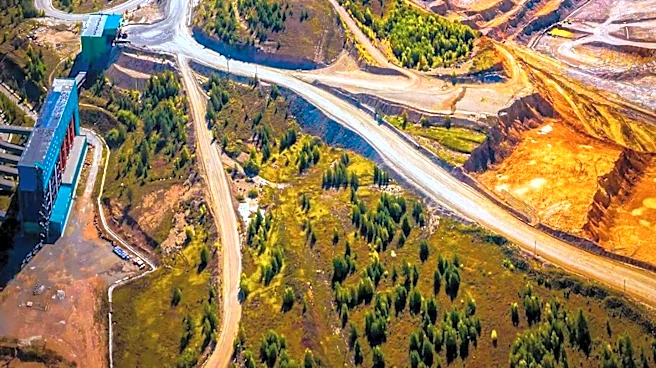
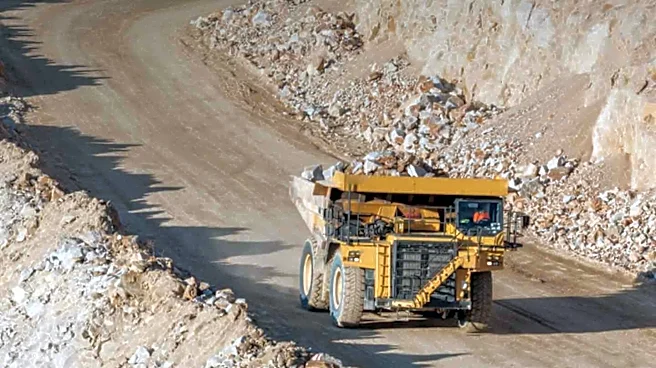
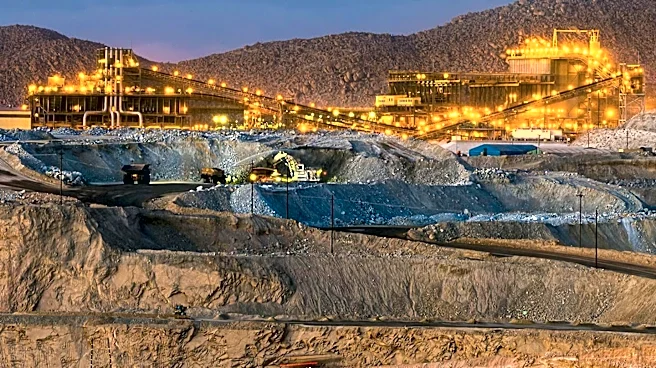
Mali's industrial gold production is projected to remain below 60 metric tons annually through 2029, according to a plan by the country's mines ministry. This forecast follows the implementation of a revised mining code in 2023, which aimed to increase
state revenues but has led to disputes with mining companies. The plan outlines a gradual increase in production from 43.2 tons in 2026 to a peak of 57 tons in 2028, before declining to 50 tons in 2029. Key contributors to this output include B2Gold's Fekola mine, Barrick's Loulo-Gounkoto complex, Resolute's Syama operation, and Allied's Sadiola mine. The revised mining code and subsequent disputes have affected investor sentiment and production levels, with industrial gold production dropping from 66.5 tons in 2023 to 42.2 tons in 2025.
Why It's Important?
The projected decline in Mali's gold production has significant implications for the country's economy, which heavily relies on mining revenues. The revised mining code, while intended to boost state income, has created tensions with international mining companies, potentially deterring future investments. This situation could impact Mali's economic stability and its ability to attract foreign capital. Additionally, the decrease in gold output may affect global gold markets, as Mali is one of Africa's top gold producers. The ongoing disputes and production challenges highlight the complexities of balancing national interests with foreign investment in resource-rich countries.
What's Next?
The future of Mali's mining sector will likely depend on the government's ability to resolve disputes with mining companies and create a more favorable investment climate. Stakeholders, including international mining firms and the Malian government, may need to negotiate terms that ensure both increased state revenues and attractive conditions for investors. The outcome of these negotiations could influence Mali's economic trajectory and its role in the global gold market. Additionally, the government may need to explore alternative economic strategies to mitigate the impact of reduced gold production on national revenues.