





What's Happening?
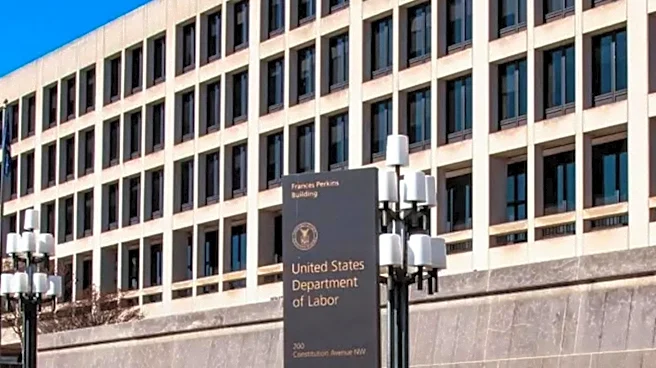
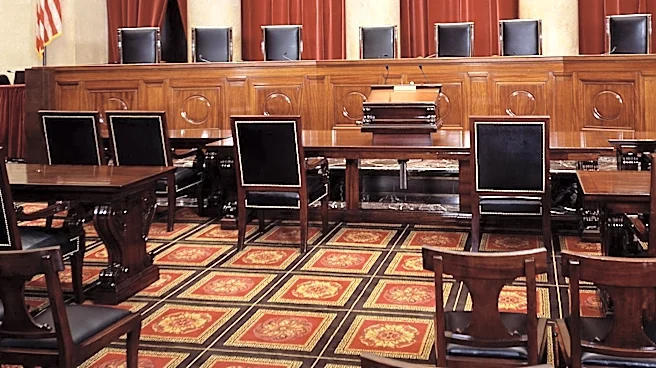
On Thursday, the US District Court of the Western District of Pennsylvania partially invalidated the Department of Labor’s domestic worker wage rules. Judge W. Scott Hardy ruled that the Labor Department’s regulation, which required some third-party employers
of live-in domestic workers to comply with overtime and minimum wage requirements under the Fair Labor Standards Act (FLSA), exceeded the agency’s statutory authority. The judge determined that the best reading of the FLSA did not support a rule requiring third-party employers to pay minimum wage or overtime to their employees. This decision, however, did not universally vacate the regulation but rather set it aside specifically for the two plaintiff employers involved in the case. This ruling relies on the Supreme Court’s 2024 Loper Bright decision, which overturned the Chevron deference standard.
Why It's Important?
This ruling is significant because it reflects the ongoing impact of the Supreme Court’s Loper Bright decision, which has altered the landscape of administrative law by limiting the deference courts give to federal agencies' interpretations of statutes. For the Department of Labor, this means a reduced ability to implement broad regulations without explicit statutory backing, potentially weakening worker protections in sectors like domestic labor. For employers of domestic workers, particularly third-party agencies, this decision could reduce their financial obligations related to minimum wage and overtime, potentially leading to cost savings but also raising concerns about worker exploitation. The partial invalidation suggests a cautious approach by the court, limiting the immediate impact to specific plaintiffs rather than a universal repeal, but it sets a precedent for future challenges to agency regulations.
What's Next?
The Department of Labor may appeal this decision, seeking to uphold its authority to regulate wages and overtime for domestic workers. The ruling's reliance on the Loper Bright decision indicates a broader trend of increased judicial scrutiny over agency actions, which could lead to more challenges against federal regulations across various sectors. Employers of domestic workers, especially third-party agencies, will closely monitor these developments, as the outcome could significantly affect their operational costs and compliance requirements. Advocacy groups for domestic workers are likely to intensify their efforts to secure legislative protections or challenge similar rulings, aiming to ensure fair wages and working conditions for this vulnerable workforce. The long-term implications could involve a re-evaluation of the FLSA's scope regarding domestic employment.
Beyond the Headlines
This case highlights the complex interplay between judicial interpretation, administrative authority, and labor rights. The Supreme Court's Loper Bright decision has created a new legal environment where federal agencies face greater hurdles in exercising their regulatory powers, potentially shifting more power to the legislative branch or the courts. For domestic workers, who are often among the most vulnerable in the labor force, this ruling could exacerbate existing challenges related to fair compensation and benefits. It also underscores the historical struggle to extend full labor protections to domestic work, a sector traditionally excluded from many labor laws. The decision could prompt a broader discussion about the adequacy of current labor laws in protecting all workers and the need for legislative clarity to address gaps in federal oversight.