





What's Happening?
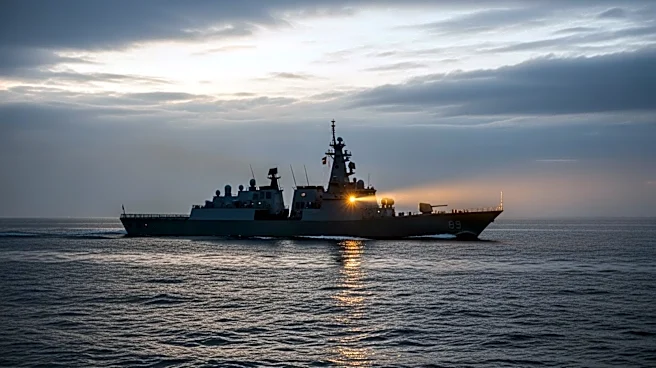
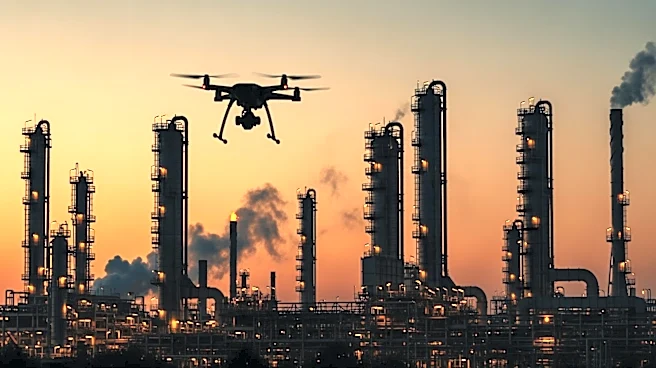
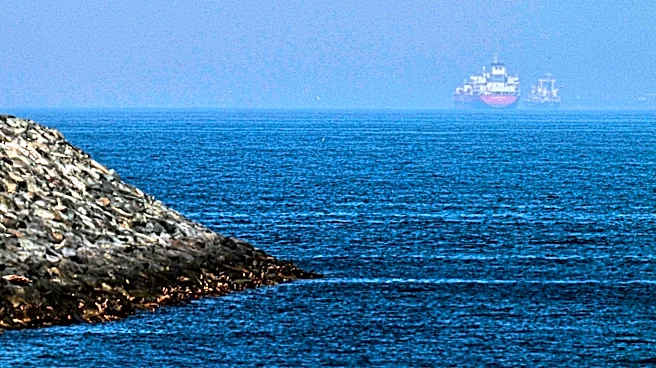
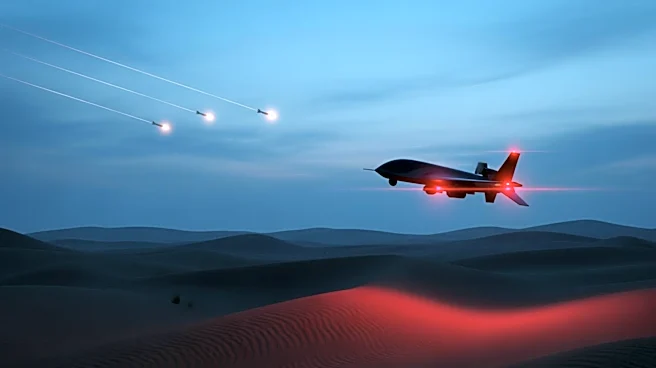
The United Arab Emirates has been targeted by Iranian missile and drone attacks for the second consecutive day, according to its Defense Ministry. Despite Iran's denial of involvement, the UAE reported injuries and a fire at a key oil facility in Fujairah
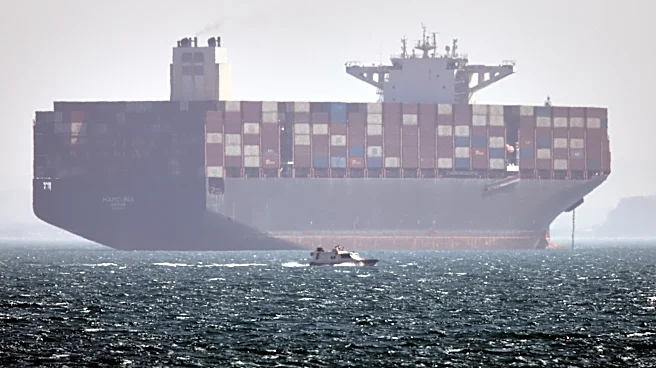
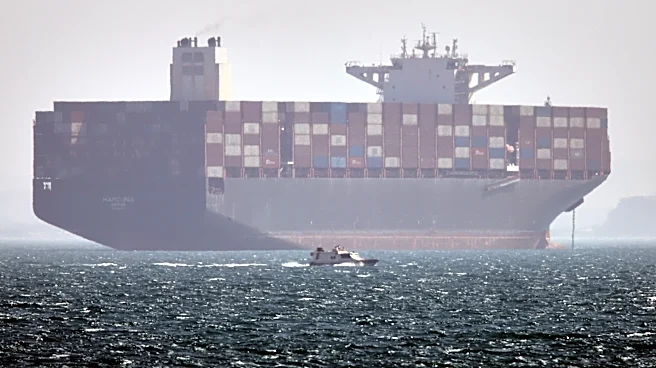
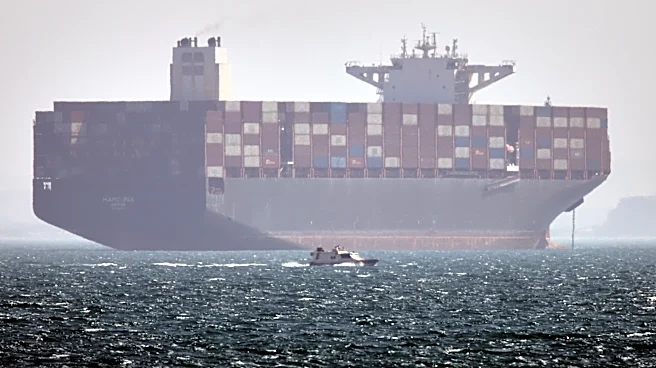
due to the attacks. The escalation follows the U.S.'s launch of 'Project Freedom' to ensure safe passage for vessels through the Strait of Hormuz, a critical waterway for global energy exports. The situation has led to a naval blockade by the U.S. on Iranian ports, limiting Tehran's ability to export oil and import goods. The attacks have sparked fears of renewed conflict between Iran and the U.S., with potential implications for global energy markets.
Why It's Important?
The attacks on the UAE highlight the fragile security situation in the Gulf region and the potential for conflict to disrupt global energy supplies. The Strait of Hormuz is a vital passage for oil exports, and any instability could lead to significant fluctuations in oil prices, affecting economies worldwide. The situation also underscores the geopolitical tensions between Iran and the U.S., with the potential for military escalation. The UAE's strategic importance as an oil exporter makes it a critical player in regional stability, and continued attacks could have broader implications for international relations and energy security.
What's Next?
The UAE and its allies, including the U.S., may need to enhance their defensive capabilities to protect critical infrastructure and ensure the security of energy exports. Diplomatic efforts to de-escalate tensions with Iran could be pursued to prevent further attacks and stabilize the region. The situation may also lead to increased international involvement in Gulf security, with potential implications for military alliances and regional power dynamics.