
What's Happening?
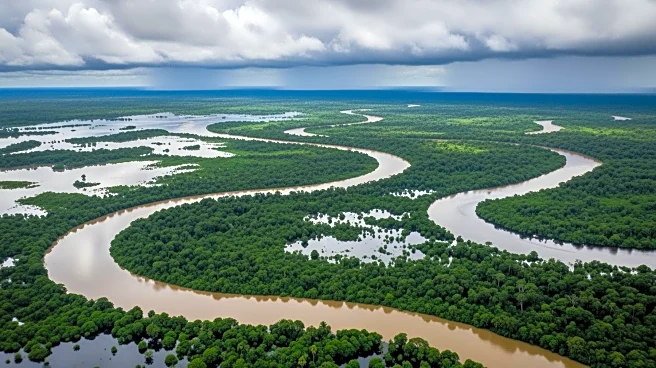
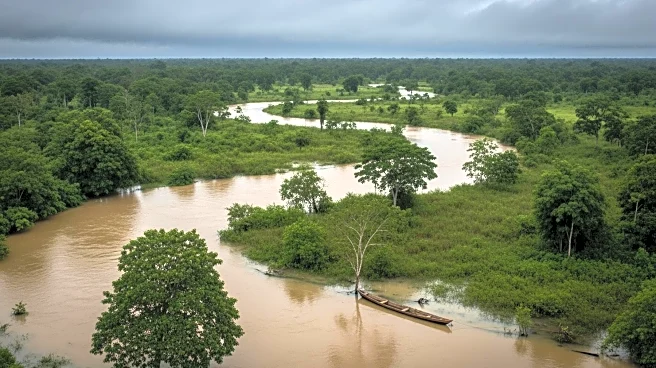
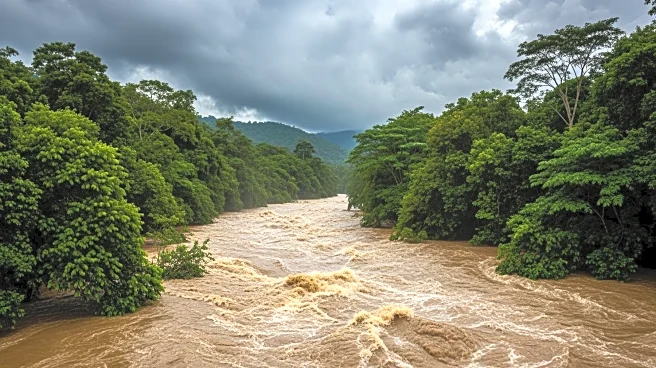
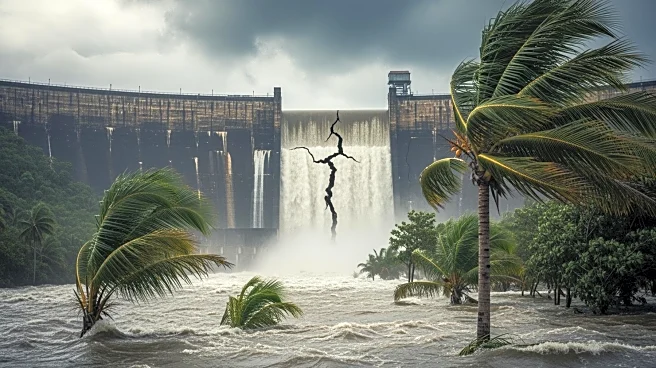
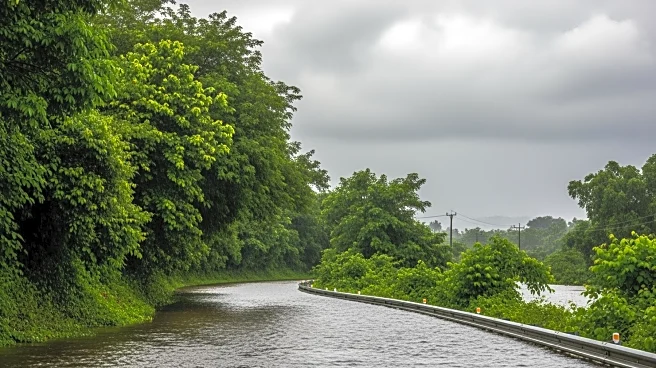
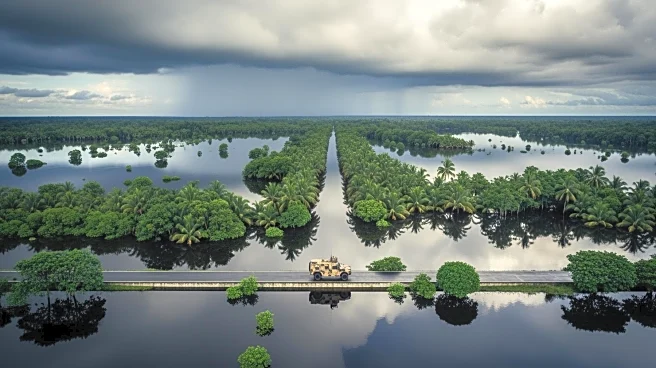
Hawaii is experiencing its worst flooding in 20 years, with heavy rains causing significant damage and prompting evacuation orders for 5,500 residents. The flooding has lifted homes and cars, causing an estimated $1 billion in damage. The National Weather
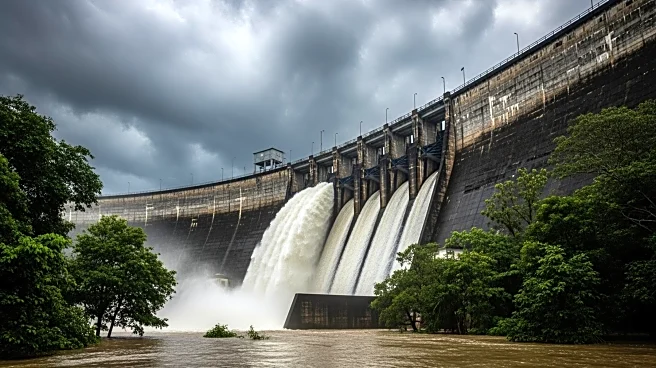
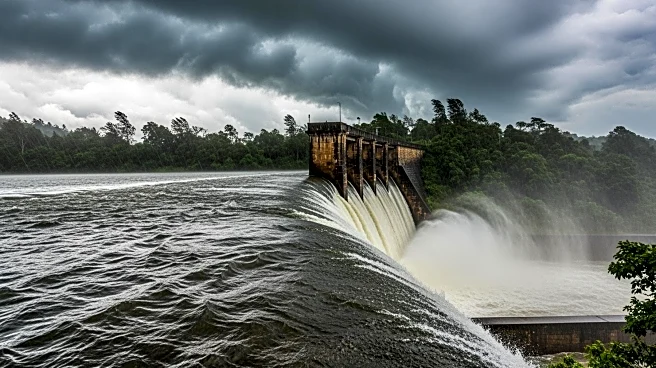
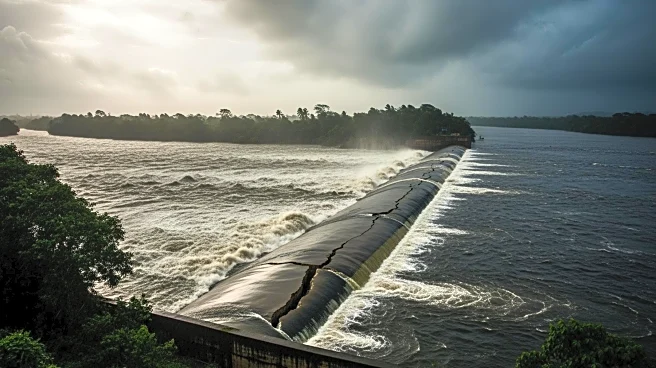
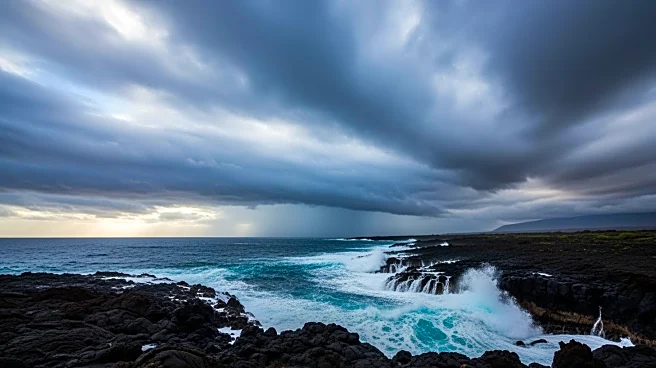
Service has issued flash flood warnings, and there is concern over the potential failure of a 120-year-old dam. Governor Josh Green has highlighted the serious consequences for the state, including damage to infrastructure such as airports, schools, roads, and a hospital in Maui. The flooding is attributed to a 'Kona low' storm, which has brought heavy rains to already saturated land.
Why It's Important?
The flooding in Hawaii poses a significant threat to public safety and infrastructure, with potential long-term impacts on the state's economy and environment. The estimated $1 billion in damage underscores the severity of the situation, affecting homes, businesses, and essential services. The threat of dam failure adds to the urgency, as it could lead to further destruction and loss of life. The situation highlights the challenges of managing extreme weather events, which are becoming more frequent due to climate change. The state's response and recovery efforts will be crucial in mitigating the impact and ensuring the safety of residents.
What's Next?
Authorities are closely monitoring the situation, particularly the condition of the Wahiawa dam, which is at risk of imminent failure. More rain is expected in the coming days, which could exacerbate the flooding. The state is coordinating with federal agencies to secure support for recovery efforts. A state board is scheduled to vote on the acquisition of the dam, which could lead to improvements in dam safety standards. The ongoing threat of heavy rains requires continued vigilance and preparedness from residents and emergency services.
Beyond the Headlines
The flooding in Hawaii raises broader questions about infrastructure resilience and climate adaptation. The aging dam infrastructure, built for agricultural purposes, highlights the need for modernization to withstand extreme weather events. The situation also underscores the importance of proactive measures in disaster preparedness and response. As climate change continues to influence weather patterns, Hawaii and other regions must invest in sustainable infrastructure and community resilience to protect against future disasters.