



What's Happening?
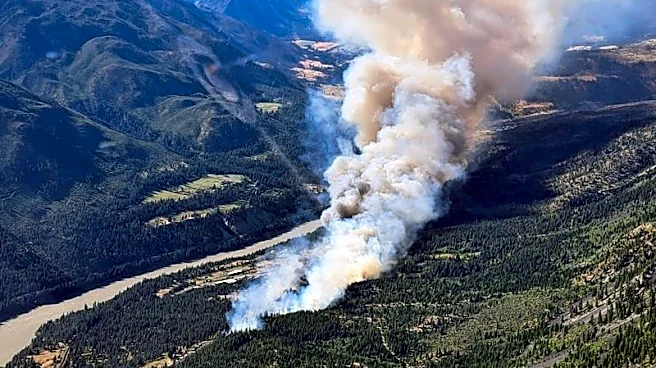
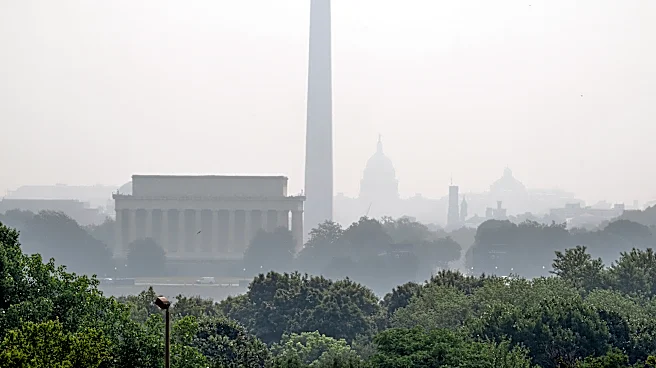
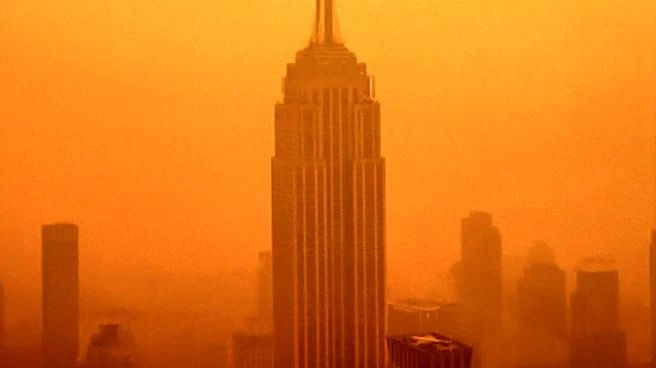
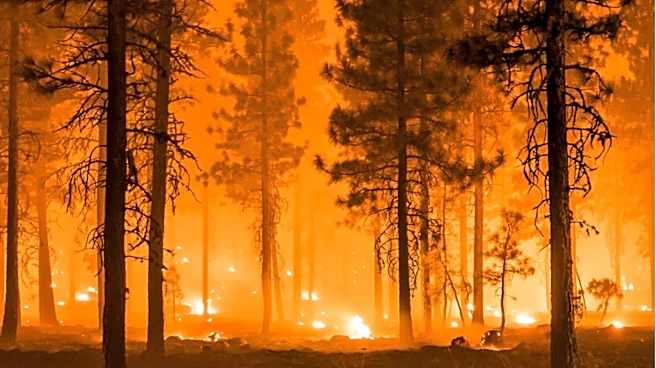
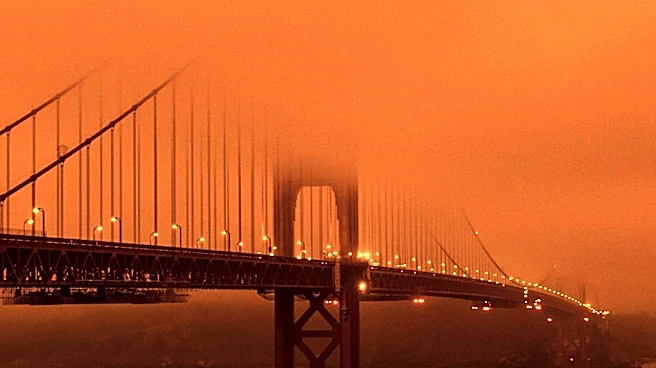
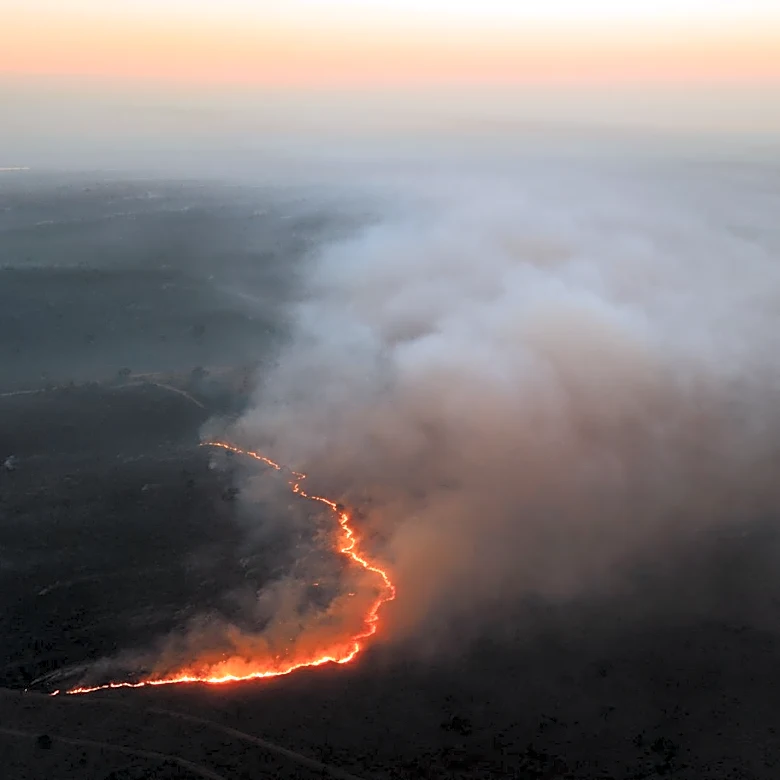
Massachusetts is experiencing significant air quality issues due to smoke from wildfires in Ontario, Canada, and northern Minnesota. The smoke has drifted into New England, creating a haze that has turned the skies a milky, yellow-brown color. This has led
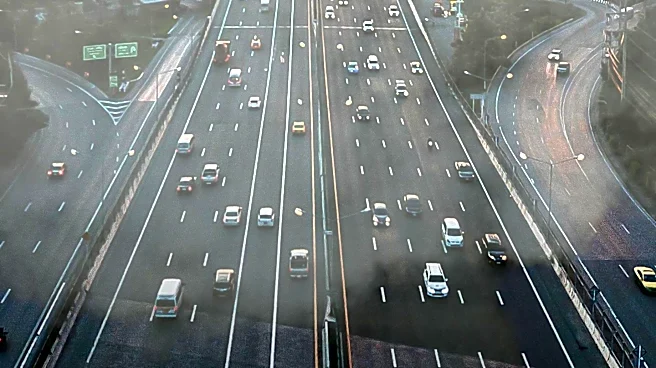
to air quality alerts being issued across a large portion of the eastern United States, including areas from New York and Philadelphia to Washington D.C., and extending westward to the Great Lakes. The smoke is particularly concerning for individuals with respiratory conditions such as asthma and COPD, who are advised to limit outdoor activities. The atmospheric conditions, including a perfectly aligned jet stream, have funneled the smoke directly into the region, exacerbating the situation.
Why It's Important?
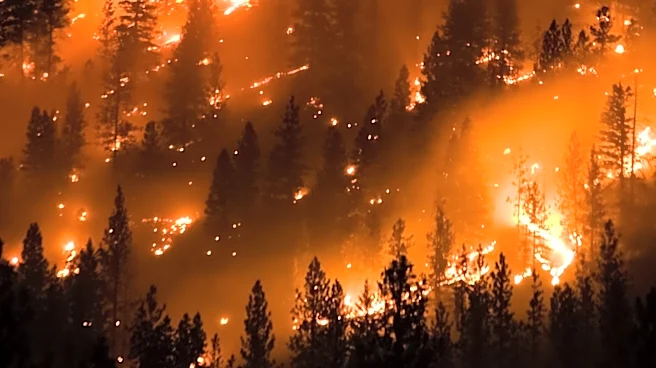
The presence of wildfire smoke in Massachusetts highlights the growing impact of wildfires on air quality in the United States. As wildfires become more frequent and intense, they pose a significant health risk, particularly to vulnerable populations with pre-existing respiratory conditions. The situation underscores the need for effective public health responses and policies to mitigate the effects of air pollution. Additionally, the widespread nature of the smoke alerts indicates the far-reaching consequences of wildfires, affecting not only the immediate areas but also regions far from the source. This event serves as a reminder of the interconnectedness of environmental issues and the importance of cross-border cooperation in addressing them.
What's Next?
Residents in affected areas can expect continued air quality issues as the smoke persists. The forecast suggests that another wave of thick smoke may move into New England, potentially worsening conditions. Authorities will likely continue to monitor air quality levels and issue further alerts as necessary. Public health officials may also provide additional guidance on how to minimize exposure to the smoke. In the longer term, this event may prompt discussions on improving wildfire management and air quality monitoring systems to better prepare for similar incidents in the future.