


What's Happening?
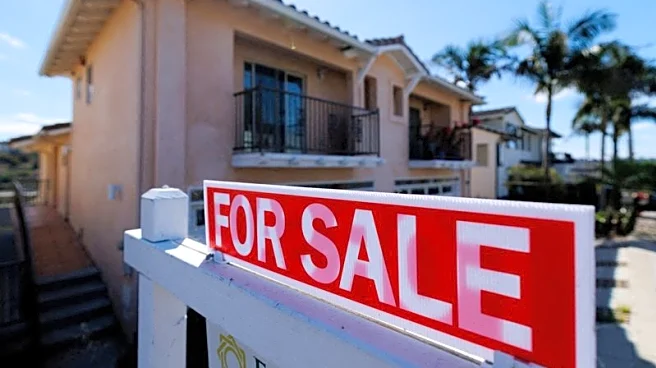
Egyptian billionaire Naguib Sawiris has highlighted a significant shift in Egypt's property market, where developers are increasingly downsizing residential units. This change is driven by soaring inflation and rising construction costs, which have eroded
the purchasing power of Egyptian buyers. As a result, there is a growing demand for smaller, more affordable housing units. Sawiris noted that property prices in Greater Cairo and other new cities have risen sharply, with increases of 12-18% in the first half of 2025. The cost of building materials like steel and cement has also surged, leaving developers with limited options to absorb these costs. To maintain sales, developers are adopting strategies such as flexible designs, extended payment plans, and fixed-price offers. Sawiris emphasized that this trend reflects a structural adjustment in the market rather than a temporary response.
Why It's Important?
The downsizing of homes in Egypt's property market has broader implications for the country's economy and society. As inflation continues to rise, the purchasing power of Egyptian households is diminishing, forcing them to opt for smaller living spaces. This shift could lead to changes in urban planning and housing policies, as developers and policymakers adapt to the new market dynamics. Additionally, the reliance on smaller units may impact the construction industry, potentially leading to job losses or shifts in labor demand. The trend also highlights the challenges faced by emerging markets in managing inflation and maintaining economic stability. For investors, the move towards smaller units may signal a need to reassess investment strategies in the real estate sector.
What's Next?
As the trend towards smaller homes continues, developers may need to explore innovative solutions to meet the evolving needs of buyers. This could include the development of mixed-use projects that combine residential, commercial, and recreational spaces to maximize land use and provide added value to residents. Policymakers may also need to consider measures to address the affordability crisis, such as subsidies or incentives for first-time homebuyers. Additionally, the government could play a role in stabilizing the economy by implementing policies to curb inflation and support the construction industry. The ongoing changes in the property market may also prompt further investment in infrastructure, particularly in transportation, to enhance connectivity and accessibility in urban areas.