




What's Happening?
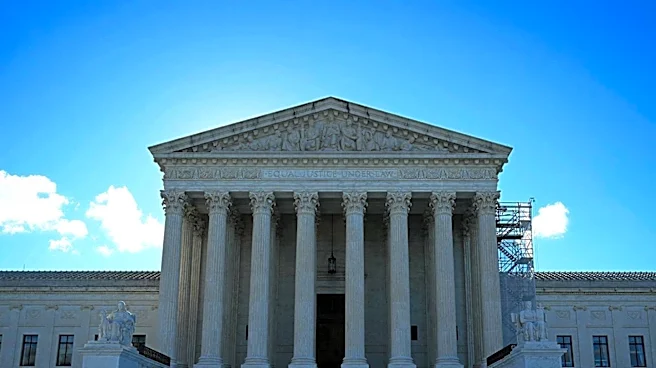
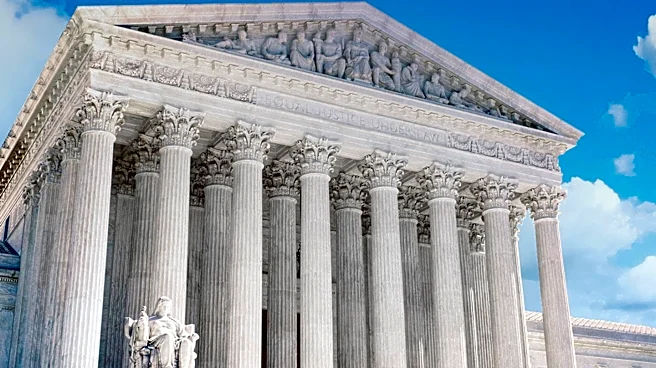
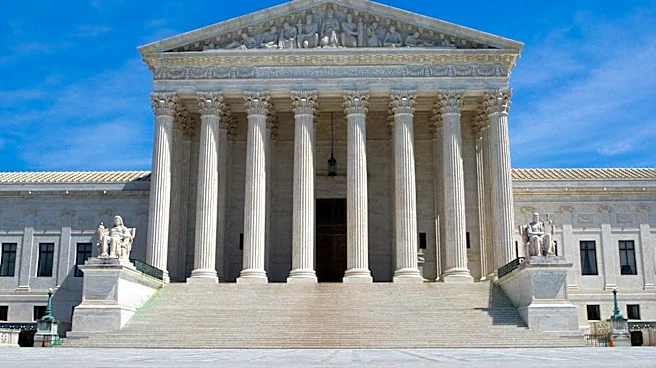
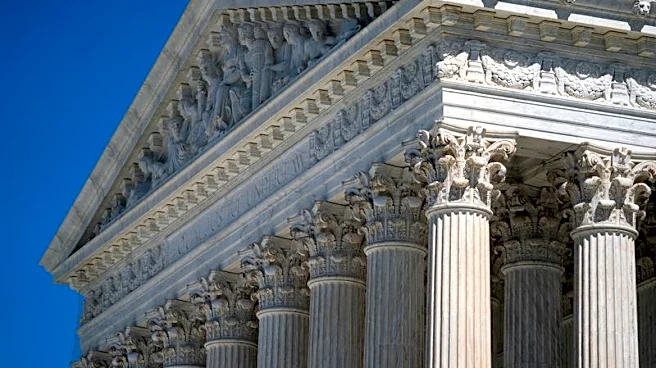
The U.S. Supreme Court, the highest court in the federal judiciary, is composed of one Chief Justice and eight Associate Justices. These nine individuals are nominated by the President and confirmed by a majority vote in the Senate. Once confirmed, they
hold lifetime tenure, a provision designed to insulate them from political pressure and allow them to make rulings based on law and constitutionality. The Court's primary function is to interpret the law, drawing its authority from both original and appellate jurisdiction. While original jurisdiction is rarely used, appellate jurisdiction allows the Court to review decisions from lower federal courts or state supreme courts. A critical power of the Supreme Court is judicial review, which enables it to declare laws and executive actions unconstitutional. This power, established in the 1803 case of Marbury v. Madison, solidifies the Court's role as the ultimate interpreter of the Constitution and a check on the other branches of government. The Court is highly selective, hearing arguments in only about 70-80 cases out of thousands of petitions each term, primarily focusing on cases with substantial legal questions or national importance.
Why It's Important?
The structure and powers of the U.S. Supreme Court are fundamental to the American system of government, ensuring a balance of power among the executive, legislative, and judicial branches. The lifetime tenure of justices is crucial for maintaining judicial independence, allowing them to render decisions based on legal principles rather than political expediency or public opinion. This independence is vital for upholding the rule of law and protecting constitutional rights. The power of judicial review is particularly significant as it allows the Court to invalidate laws and executive actions that violate the Constitution, thereby safeguarding individual liberties and preventing potential overreach by the other branches. Landmark decisions, such as Brown v. Board of Education, Roe v. Wade, and Obergefell v. Hodges, demonstrate the profound impact of the Court's interpretations on civil rights, social norms, and the legal landscape of the nation. The Court's selective process for hearing cases ensures that it addresses only the most critical legal disputes, shaping the interpretation of the Constitution for modern challenges.
What's Next?
The U.S. Supreme Court will continue to interpret the Constitution and federal laws, with its decisions having far-reaching implications for American society. The process of judicial review will remain a central mechanism through which the Court checks the powers of the legislative and executive branches. Future cases brought before the Court will likely involve complex legal questions related to evolving technological and social landscapes, such as digital privacy, campaign finance, and executive authority. The confirmation of new justices will continue to be a significant political event, as it can shift the ideological balance of the Court for decades, influencing the direction of legal interpretation and policy. Stakeholders, including political leaders, legal scholars, and civil society groups, will closely monitor the Court's docket and decisions, anticipating their impact on various aspects of American life. The Court's ongoing role as the final arbiter of constitutional interpretation means its future rulings will continue to redefine the nation's social fabric and legal precedents.
Beyond the Headlines
The Supreme Court's role extends beyond mere legal interpretation; it embodies a continuous dialogue between historical constitutional principles and contemporary societal values. The concept of lifetime tenure, while ensuring independence, also raises questions about democratic accountability and the potential for a judiciary that is out of step with public sentiment. The Court's decisions often reflect and, in turn, shape the ethical and cultural dimensions of American life, influencing debates on fundamental rights and societal norms. The rigorous selection process for cases, while necessary for managing the Court's workload, also means that many significant legal issues may not receive the Court's attention, leaving lower court rulings as the final word. This highlights the immense power vested in the nine justices and the profound responsibility they bear in navigating the complexities of a centuries-old document in a rapidly changing world. The Court's influence on the balance of power and the protection of individual liberties makes it a critical institution for the long-term stability and evolution of American democracy.